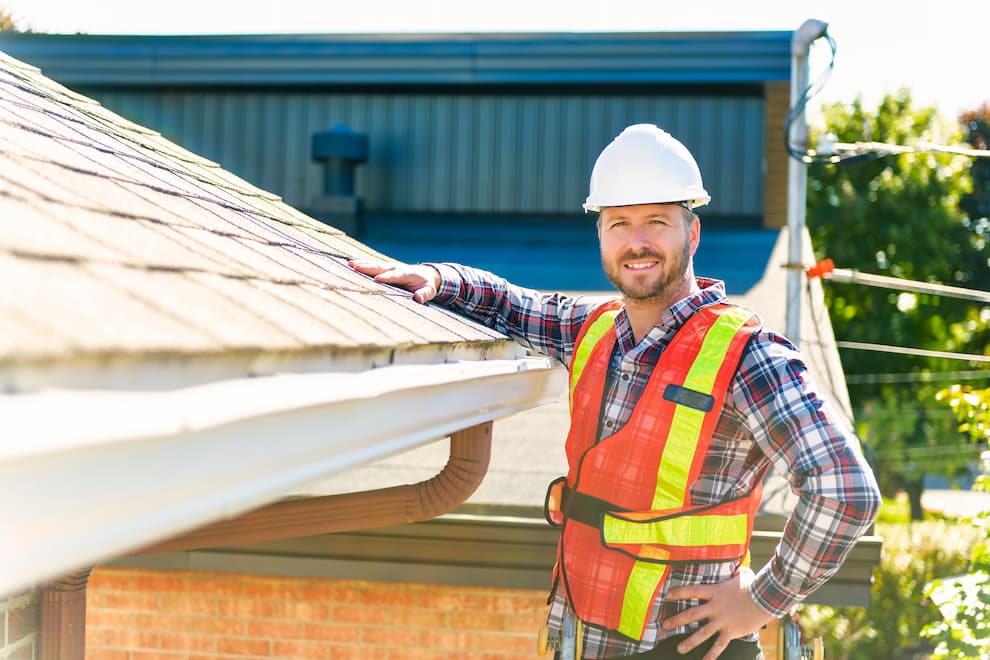
Learn DIY roofing with this complete step-by-step guide. Discover essential tools, safety tips, roof repair methods & installation techniques
INTRODUCTION
Homeowners today are taking on more improvement projects than ever before. From kitchen upgrades to backyard renovations, the do-it-yourself movement has encouraged people to learn new skills and save money along the way. Roofing is no exception. A quick search online reveals countless tutorials promising that anyone can repair a roof with a few tools and a free weekend. While there is some truth to that idea, roofing occupies a unique place among home improvement projects. It combines physical labour, technical knowledge, and safety risks in ways that many other repairs do not. The question is not simply whether you can work on your roof. The more important question is whether you should.
UNDERSTANDING WHAT YOUR ROOF ACTUALLY DOES
Most people think of a roof as a layer of shingles that keeps rain out. In reality, it is a carefully designed system made up of several components working together. Beneath the visible roofing material lies a network of layers responsible for moisture control, insulation, ventilation, and structural support. When one component fails, the effects can spread throughout the entire system. A missing shingle may appear insignificant, but it can expose the underlayment to weather, allowing water to penetrate areas that were never intended to get wet. Over time, that moisture can affect wood framing, insulation, drywall, and even indoor air quality. This is why roofing professionals often describe the roof as a home’s first line of defence rather than simply its covering.
WHY HOMEOWNERS CHOOSE THE DIY ROUTE
Cost is usually the biggest motivation. Professional roofing services can represent a significant investment, particularly when labour costs are added to materials. For homeowners comfortable with basic tools and household repairs, handling minor roofing tasks independently can seem like a logical decision. There is also a sense of satisfaction that comes from maintaining your own property. Completing a repair yourself creates a deeper understanding of how your home functions and often encourages more proactive maintenance habits. Many homeowners discover that regular inspections and small repairs help them identify problems before they become expensive emergencies.
THE REPAIRS MOST HOMEOWNERS CAN HANDLE
Not every roofing task requires a professional crew. Certain maintenance jobs fall comfortably within the abilities of a careful homeowner.
REPLACING A FEW DAMAGED SHINGLES
Wind damage, falling branches, and natural aging can cause individual shingles to crack or detach. Replacing isolated shingles is often manageable for someone willing to follow proper procedures.
CLEANING GUTTERS AND DOWNSPOUTS
Although often overlooked, gutter maintenance plays a major role in roof health. Removing leaves, twigs, and debris helps ensure water flows away from the home rather than backing up beneath roofing materials.
REMOVING DEBRIS
Branches, leaves, and accumulated organic matter can trap moisture against roofing surfaces. Regular cleaning helps reduce unnecessary wear.
VISUAL INSPECTIONS
Routine inspections from the ground or with a ladder can help identify problems before they escalate. Spotting a loose shingle early is far easier than dealing with an active leak month later.
WHERE DIY ROOFING BECOMES RISKY
The internet has made roofing information more accessible than ever, but access to information does not eliminate risk. Falls remain one of the leading causes of home improvement injuries. Even experienced tradespeople approach roofing work with caution because conditions can change quickly. A roof that appears safe from the ground may present unexpected hazards once you step onto it. Dust, moisture, loose materials, steep slopes, and hidden structural weaknesses all increase the potential for accidents. There is also the issue of diagnosis. Many homeowners focus on the visible symptom rather than the actual cause. A leak appearing near a ceiling light fixture, for example, may originate several feet away from where the water eventually becomes visible indoors. Without a clear understanding of how water moves through roofing systems, repairs can become temporary fixes rather than lasting solutions.
THE IMPORTANCE OF PREVENTIVE MAINTENANCE
The most successful homeowners are not necessarily the ones who perform the most repairs. More often, they are the ones who prevent repairs from becoming necessary in the first place. Routine maintenance remains one of the most effective ways to extend roof lifespan. Experts generally recommend inspecting roofs twice a year, ideally during spring and autumn. Seasonal inspections provide an opportunity to identify damage caused by storms, temperature fluctuations, and natural aging.
Simple habits can make a significant difference:
- Clearing gutters regularly
- Trimming overhanging tree branches
- Checking attic ventilation
- Monitoring flashing around chimneys and vents
- Addressing minor damage promptly
These tasks require relatively little time but can help avoid major repair expenses.
THE HIDDEN COST OF DELAYED REPAIRS
One of the most common mistakes homeowners make is postponing small roofing repairs. A loose shingle may not seem urgent. A tiny crack in flashing may appear harmless. Yet roofing problems rarely improve with time. Moisture intrusion is particularly unforgiving. Water can travel through insulation, framing, and drywall long before visible signs emerge. By the time stains appear on ceilings or walls, the underlying damage may already be extensive. What could have been solved with a modest repair can eventually require the replacement of roofing materials, insulation, interior finishes, and structural components. In many cases, delay becomes more expensive than action.
KNOWING WHEN TO BRING IN A PROFESSIONAL
DIY roofing has its place, but recognizing its limits is equally important. Certain situations call for professional expertise.
These include:
SIGNIFICANT STORM DAMAGE
High winds, hail, and fallen trees often create damage that extends beyond what is visible from the surface.
STRUCTURAL CONCERNS
Any sign of sagging, warping, or structural weakness should be evaluated by a qualified roofing contractor.
EXTENSIVE LEAKS
Persistent or widespread leaks frequently indicate deeper issues within the roofing system.
FULL ROOF REPLACEMENT
Roof replacement involves technical installation requirements, safety considerations, and building code compliance that generally exceed the scope of DIY work. Hiring a professional may seem costly initially, but it can prevent mistakes that lead to even larger expenses later.
FINDING THE RIGHT BALANCE
DIY roofing should not be viewed as an all-or-nothing decision. For many homeowners, the ideal approach lies somewhere in the middle. Routine inspections, maintenance, and minor repairs can often be handled independently, while larger or more complex issues are left to experienced professionals. This balanced strategy allows homeowners to save money, stay informed about their property’s condition, and avoid unnecessary risks.
CONCLUSION
DIY roofing continues to attract homeowners looking to reduce costs and take a more active role in maintaining their homes. When approached responsibly, simple tasks such as gutter cleaning, debris removal, inspections, and minor repairs can contribute significantly to roof longevity. At the same time, roofing remains one of the most demanding areas of home maintenance. Understanding the limits of do-it-yourself work is just as important as mastering the repairs themselves. A roof protects everything beneath it. Whether repairs are handled personally or by a professional contractor, the goal remains the same: preserving the safety, comfort, and long-term value of the home.