
Commercial Roofing in Minneapolis, MN
Commercial roofing in Minneapolis has to handle heavy snow, long freeze-thaw seasons, summer hail and the constant foot traffic of rooftop equipment service. When a roof over a store, office or apartment building fails, it affects tenants, inventory and revenue, not just the building.
Minneapolis Roofing Company works with property owners, facility managers and business owners across the city on commercial roof repair, replacement, inspections and maintenance. We cover low-slope membrane roofs, steep-slope shingle roofs and metal roofs, and we plan every job around keeping your building open.
Call (888) 657-0348 or request a free estimate to have your roof looked at. We respond within 24–48 hours.
Buildings We Serve
A Commercial Roofing Contractor for Every Type of Minneapolis Building
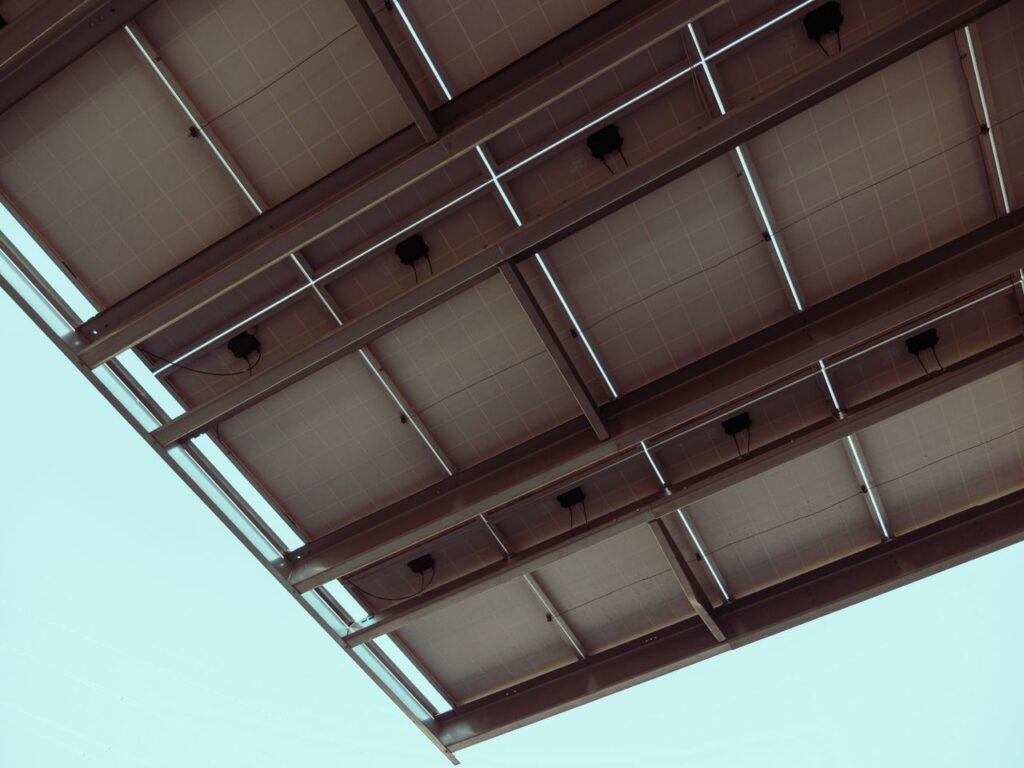
Every commercial building uses its roof differently. A grocery store has refrigeration units and grease exhaust on top, a school has to schedule work around the academic calendar, and an apartment building has residents underneath who need quiet and dry ceilings. We start by understanding how your building runs before we recommend anything.
Retail and Strip Centers
Retail roofs tend to be long, low-slope runs with many penetrations for signage, HVAC and exhaust. Leaks over sales floors damage stock and ceiling tiles, so we focus on flashing, drains and the areas around rooftop units.
Office Buildings
Office roofs often carry heavy mechanical equipment and see regular traffic from HVAC technicians. We look for worn walkway areas, punctures and failing curb flashings that are common where service crews work.
Warehouses and Industrial Buildings
Large warehouse roofs cover a lot of square footage, so small problems can go unnoticed for a long time. Wet insulation spreading under the membrane is a common issue, and finding it early keeps repair costs contained.
Multifamily and Mixed-Use
Apartment and condo buildings in Minneapolis range from older brick walk-ups with flat roofs to newer mixed-use buildings. We coordinate access, noise and resident notices with property managers.
Churches and Schools
Churches often combine steep-slope sections with flat roofs over additions, and schools usually have several roof areas installed at different times. We help you prioritize which sections need work now and which can wait.
Our Services
Commercial Roof Repair, Replacement and Maintenance
Most commercial roofs don’t need replacement at the first sign of trouble. Our goal is to match the work to the actual condition of the roof, whether that means a targeted repair or a full replacement plan.
Commercial Roof Leak Repair
Water on a commercial roof can travel a long way between the entry point and the stain on your ceiling. We trace the leak back to its source, repair it, and check nearby seams and flashings that may be close to failing. For membrane roofs specifically, see our page on flat roof leak repair.
Commercial Roof Repair
Beyond leaks, we repair storm and hail damage, failing flashings at walls and curbs, damaged edge metal, clogged or broken drains, and worn areas around rooftop equipment.
Commercial Roof Replacement
When repairs no longer make financial sense, we plan a replacement that fits your building, budget and schedule. That includes choosing the roof system, meeting current energy code insulation requirements and phasing the work so your business stays open.
Inspections and Condition Reports
We inspect commercial roofs and give you a clear written summary with photos: what’s wrong, what’s urgent, and what can be budgeted for later. This is useful before a purchase, a lease renewal or a capital planning cycle. Learn more about our roof inspection services.
Maintenance Plans
The National Roofing Contractors Association (NRCA) and the Roof Consultants Institute have long recommended inspecting roofs twice a year and after major weather events. A maintenance plan puts those visits on the calendar so drains get cleared, sealants get checked and small issues get fixed before they become leaks.
Roof Systems
Commercial Roofing Systems We Install and Repair

Commercial buildings in the Twin Cities use three main types of roofing. The right one depends mostly on the slope of your roof, the way the building is used and your long-term plans for the property.
Low-Slope Membrane Roofs
Most commercial buildings have low-slope (often called flat) roofs covered with a membrane such as TPO, EPDM rubber, PVC or modified bitumen. Commercial rubber roofing (EPDM) is common on older Minneapolis buildings, while white TPO and PVC are popular on newer ones. Each membrane has strengths for different buildings. For a detailed comparison of materials, insulation and drainage, see our guide to flat roof replacement and membranes.
Commercial Shingle Roofing
Churches, office parks, townhome associations and some retail buildings have steep-slope roofs covered with asphalt shingles. Building codes allow asphalt shingles only on roofs with a slope of at least 2 inches of rise per 12 inches of run, and roofs between 2:12 and 4:12 need a double layer of underlayment. We handle commercial shingle roofing repairs and full commercial asphalt roof replacement, including ventilation and ice protection at eaves and valleys.
Metal Roofing
Standing-seam and through-fastened metal panels are common on warehouses, agricultural buildings and newer commercial construction. Metal sheds snow well and can sometimes be installed over existing roofs. Read more about metal roofing options.
Need a Commercial Roof Looked At?
Whether it’s a single leak or a roof at the end of its life, we’ll give you clear options that fit your building. Call (888) 657-0348.
Minnesota Weather
What Minneapolis Weather Does to Commercial Roofs
Minneapolis is hard on roofs. A roof that would last a long time in a mild climate can wear out faster here because of snow, ice and big temperature swings.
Snow Load
Minnesota’s building code sets the ground snow load for Hennepin County at 50 pounds per square foot, which engineers use to design roof structures. Drifts against parapets, taller walls and rooftop units can put far more weight on some areas than others. If your roof has visible sagging, doors sticking inside the building or new ceiling cracks during heavy snow, get it checked right away.
Freezing Drains and Ice
When roof drains and scuppers freeze, meltwater has nowhere to go. It backs up against seams and flashings and can find its way inside. Keeping drains clear before winter is one of the simplest ways to prevent leaks.
Ponding Water
NRCA defines ponding as water that remains on a roof more than 48 hours after it rains. Standing water adds weight, speeds up wear on the membrane and turns into ice in cold months. Ponding usually points to a drainage problem worth fixing.
Hail and Summer Storms
Hail season in southern Minnesota typically begins in late May. Hail can bruise membranes, crack aged materials and dent metal, and the damage is not always visible from the ground. An inspection after a significant storm helps document damage for insurance.
Less Disruption
Keeping Your Business Running During Roof Work

For most business owners, the biggest concern about roof work isn’t the roof itself. It’s the noise, smell, parking and safety issues that can affect customers, tenants and staff. We plan around those from the start.
- Scheduling around your hours: Noisy tear-off can be scheduled for early mornings, evenings or weekends when it makes sense for your building.
- Phased work: Large roofs can be replaced section by section, so only one area is open at a time and each section is sealed at the end of the day.
- Staging and access: We agree on where equipment, dumpsters and material deliveries go so entrances, fire lanes and customer parking stay usable.
- Rooftop equipment: We coordinate with your HVAC contractor when units need to be disconnected, raised or reset.
- Odor and air intakes: Some adhesives and hot materials produce odors. We plan around air intakes and choose installation methods suited to occupied buildings.
- Clear communication: You get a schedule, a single point of contact and notice before work that will be louder or more disruptive than usual.
If a leak is actively damaging your space, we can make a temporary repair first and schedule permanent work afterward. See our emergency roof repair page for urgent situations.
How It Works
How Our Commercial Roofing Minneapolis Process Works
Whether you need one leak fixed or a full replacement, the process is straightforward.
- Call or request a free estimate. Tell us about the building, the problem and any deadlines.
- Roof assessment. We walk the roof, check drains, flashings, seams and rooftop equipment areas, and look at interior leak spots.
- Moisture checks when needed. On larger roofs, infrared or capacitance moisture surveys can map wet insulation, and small test cuts confirm what’s under the membrane.
- Clear recommendations. You get options with photos: repair, partial replacement or full replacement, along with what each one involves.
- Scheduling and permits. We plan the work around your operations and explain any permit requirements for the project.
- Work and cleanup. We complete the work, clean up the site and walk you through what was done.
Planning Ahead
Repair or Replace? Planning Your Commercial Roof Budget
For most commercial roofs, the repair-or-replace decision comes down to how much of the roof is still sound. A membrane with a few leaks and dry insulation underneath is usually a good candidate for repair. A roof with widespread wet insulation, repeated leaks in different areas and brittle or shrinking membrane is usually costing more to patch than it’s worth.
Energy Code at Replacement Time
When a commercial roof is replaced in Minneapolis, the new roof must meet the Minnesota Commercial Energy Code. Local permit guidance for the 2024 code lists R-30 continuous insulation above the deck for roof replacements, with exceptions where existing conditions limit thickness. Minnesota’s Department of Labor and Industry also notes that rooftop equipment curbs must be insulated to at least R-10 when the roof is replaced. That added insulation can affect curb heights, edge details and budget, so it’s worth planning early.
Understanding Manufacturer Warranties
Most commercial roof membranes are sold with manufacturer warranties. These vary by product and system, and they generally require the roof to be installed to the manufacturer’s specifications and maintained over time. Ask any contractor to explain exactly what a given warranty covers before you sign.
Want help weighing your options? Our Minneapolis roofing company can give you a straightforward assessment of what your roof needs now and what to plan for over the next few years.
Guides & Resources
Commercial Roofing Guides
Guides for Minneapolis building owners and property managers on maintaining and planning commercial roofs.
New guides in this series are published every week. Check back soon, or call (888) 657-0348 with any question about your roof.
Common Questions
Frequently Asked Questions
Answers to common questions about commercial roofing in Minneapolis.
Do you work on occupied commercial buildings?
Yes. Most commercial roofing work happens while the building is open. We phase the work, plan around your business hours and keep entrances and parking usable.
What type of roof does my commercial building have?
Most commercial buildings have a low-slope membrane roof such as TPO, EPDM, PVC or modified bitumen. Some have steep-slope shingle or metal roofs, and many older buildings have a mix of sections installed at different times.
How often should a commercial roof be inspected?
NRCA and the Roof Consultants Institute recommend inspections twice a year, typically in spring and fall, plus after major storms such as hail events.
Can you repair a commercial roof in winter?
Many repairs can be done in winter, and temporary repairs can stop active leaks until conditions allow a permanent fix. Some adhesives and materials have temperature limits, so timing depends on the repair.
How do I know if my commercial roof needs replacement instead of repair?
Widespread wet insulation, repeated leaks in different areas and a membrane that is brittle, shrinking or pulling away at the edges are common signs. A roof assessment with moisture checks gives you a clear answer.
Do you handle commercial shingle roofs too?
Yes. We repair and replace asphalt shingle roofs on churches, office buildings, townhome associations and other commercial properties.
How fast can you respond?
We respond within 24–48 hours. For active leaks, call (888) 657-0348 so we can prioritize your building.
Get a Free Commercial Roofing Estimate
From retail and office buildings to warehouses, apartments, churches and schools, we help Minneapolis property owners keep their roofs in working order. Call (888) 657-0348 or request a free estimate today.