
Nokomis Roofing in Minneapolis: Roof Repair and Replacement Around the Lakes
The Nokomis community stretches across the southeast part of Minneapolis, from Field and Regina near I-35W out to Lake Nokomis, Lake Hiawatha and the edge of the airport. Its blocks are filled with modest, well-built homes from the 1920s and 1930s: stucco and brick bungalows, story-and-a-half houses with dormers, and small two-bedroom homes on narrow lots. For Nokomis roofing in Minneapolis, those details matter more than any sales pitch, because they decide where a roof leaks and how much a replacement involves.
Minneapolis Roofing Company helps homeowners and property owners in all eleven Nokomis neighborhoods arrange roof repairs, inspections and replacements. Below, we walk through the community’s housing, the roofing problems that come with it, and the services we can help you set up.
Call (888) 657-0348 or request a free estimate. We respond within 24–48 hours.
The Community
Neighborhoods in the Nokomis Community
Nokomis takes its name from Lake Nokomis and covers about 7.7 square miles of South Minneapolis. The city groups eleven neighborhoods into the community:
- Field, Regina and Northrop: the western neighborhoods between I-35W and Chicago Avenue, which share one neighborhood organization. Chicago Avenue is Field’s main commercial street.
- Page: a small neighborhood south of Minnehaha Creek between I-35W and Chicago Avenue.
- Hale: south of Minnehaha Creek between Chicago and Cedar Avenues, with regional parkland along its north and east sides.
- Diamond Lake: from Diamond Lake Road and 55th Street to 62nd Street, between I-35W and Cedar, around a lake kept as a natural wetland.
- Ericsson: between Cedar and Hiawatha Avenues, with Lake Hiawatha inside its borders.
- Keewaydin, Minnehaha, Morris Park and Wenonah: together known as Nokomis East. Keewaydin holds most of Lake Nokomis, Wenonah runs south to the Minneapolis-Saint Paul International Airport, and Morris Park borders the military air base to the south.
The western half of the community sits on the street grid of older South Minneapolis, while the eastern half wraps around the lakes and parkways. Most of the community is residential, which is why most roofing work here involves houses rather than commercial buildings.
Housing Stock
The Homes Behind Nokomis Roofing Work
Large parts of western Nokomis filled in between the world wars. In Hale, most homes were built in the 1920s and 1930s. In Field, the typical house is a small two-bedroom home built before 1940, finished in stucco, brick or stone. Diamond Lake’s park was set aside in the late 1920s, and the Lake Hiawatha area began as a seasonal resort community in the 1930s before becoming a residential neighborhood.
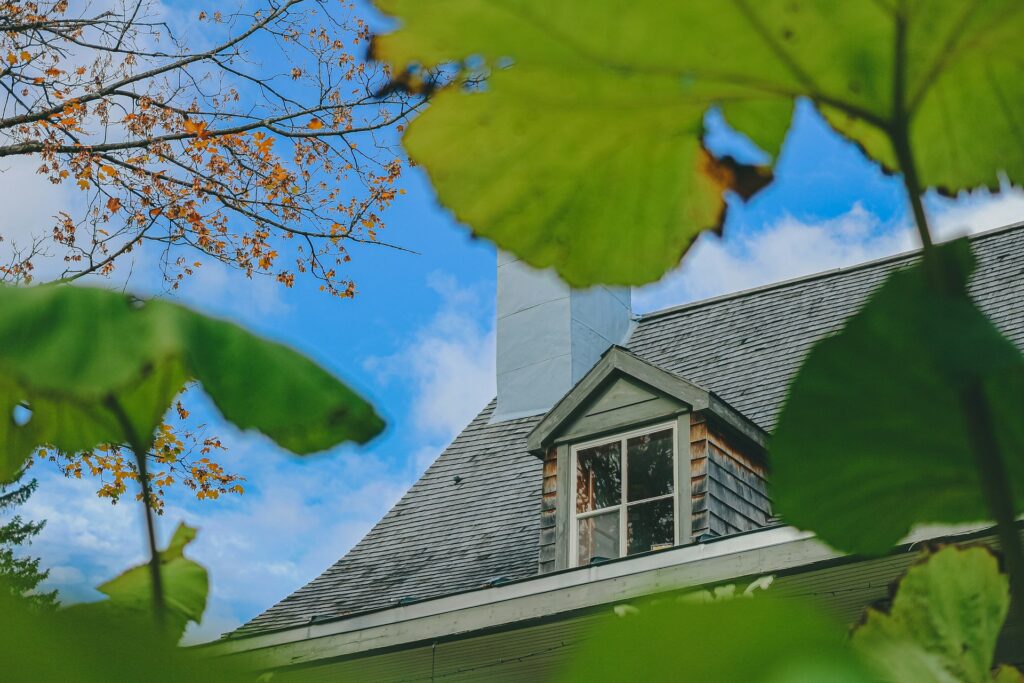
That gives the community a recognizable roofline: compact homes with steep or moderate gables, a front dormer or two, a brick chimney, and an upper floor that was finished later as bedrooms. Housing farther east and south varies more, so if you are unsure when your home was built, Hennepin County property records list the year built for each parcel.
What this housing means for the roof
- Story-and-a-half layouts. Finished attic rooms with sloped ceilings leave little space for insulation and airflow. Warm air reaches the roof deck, melts the snow, and the water refreezes at the cold eaves as ice dams.
- Stucco and masonry walls. Where a roof meets a stucco or brick wall, at dormer sides, porch roofs and chimneys, the flashing has to tuck behind or into the wall finish. Poorly redone flashing at these joints is a frequent source of leaks that look like they come from somewhere else.
- Small, steep roofs. A compact house may not have many squares of shingles, but steep pitch and dormers still add labor and safety setup.
- Old chimneys. Many homes of this era still have original brick chimneys, which may need flashing and masonry attention at the same time as the roof.
Lakes and Creek
Lake Nokomis, Lake Hiawatha and Minnehaha Creek
Water defines this community. Lake Nokomis covers about 204 acres; when the park board bought it in 1907, much of it was marsh and slough, and dredging turned it into today’s lake. Lake Hiawatha was dredged from the Rice Lake marsh, and its golf course opened in 1934. Minnehaha Creek runs through both on its way to Minnehaha Falls and the Mississippi.
Lakes and parkways do not change what roofing material you need, but they do shape how homes near them live:
- Big, mature trees along the parkways and lakeshores shade roofs, drop leaves into gutters and valleys, and send branches down in storms. At Lake Nokomis, a 1998 storm uprooted large trees along the east shore.
- Open exposure on blocks facing the lakes can mean more wind on the roof than on a sheltered interior street. After a strong storm, look for lifted or missing shingles on the slope facing open water.
- Gutters and downspouts matter in a low-lying, water-rich area. Directing roof runoff well away from the foundation is cheap insurance for basements.
Have a Roof Question in Nokomis?
Whether it is a winter ice dam or a roof that has simply reached the end of its life, we can help you plan the next step. Call (888) 657-0348.
Winter
Ice Dams and Snow on South Minneapolis Story-and-a-Half Homes
For many Nokomis homes, the biggest winter roofing problem is ice dams. They form when three things line up: a long cold spell, a good layer of snow on the roof, and heat leaking into the roof from the house below. The meltwater runs down to the overhang, which is colder, and refreezes into a ridge of ice that backs water up under the shingles.
A new roof with proper underlayment at the eaves helps keep that backed-up water out of the house, but it does not stop the dam from forming. Lasting fixes usually involve the attic:
- Sealing air leaks from the living space into the attic and behind knee walls.
- Adding insulation where the sloped ceilings and attic floors allow it.
- Improving ventilation so the roof deck stays cold, with intake at the eaves and exhaust near the ridge.
In the meantime, raking snow off the lower edge of the roof after a big storm can reduce the problem. If you would rather not be on a ladder in January, our roof snow removal page explains what a professional crew does and when it makes sense.
Storms
Hail, Wind and Storm Damage in the Nokomis Area
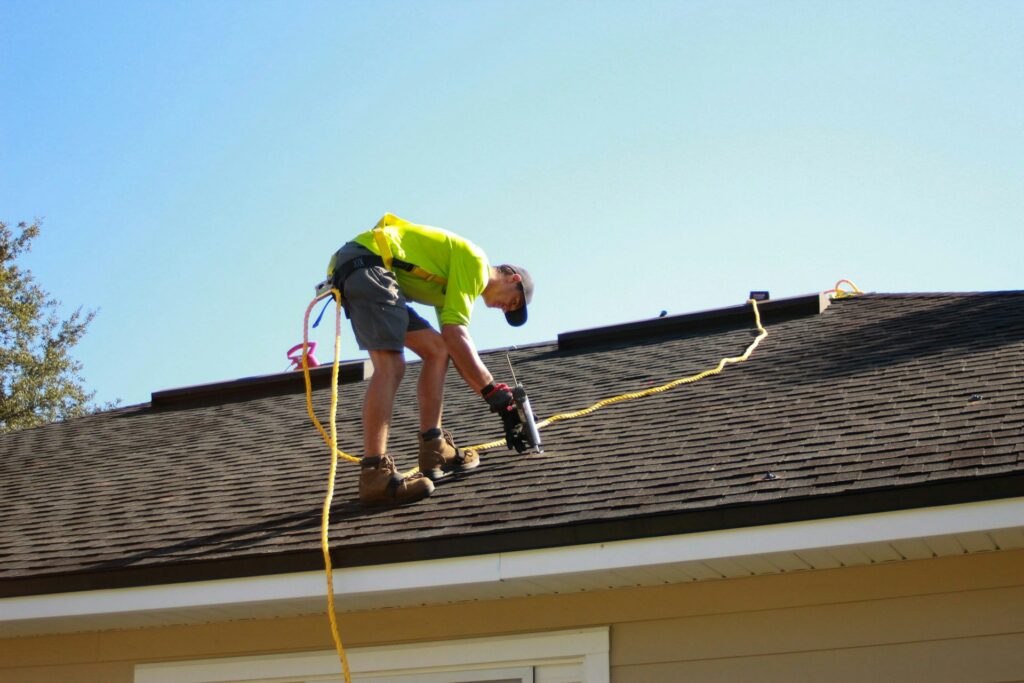
Spring and summer storms can bring hail and strong winds across the Twin Cities, and older roofs in Nokomis are not immune. Hail damage on asphalt shingles is not always visible from the ground: it often shows up as bruised or dented spots where granules have been knocked loose, plus dents in gutters, vents and flashing.
If a storm has passed through and you are unsure whether your roof was hit, a careful look before you call your insurer helps you understand what you are dealing with. Our hail damage roof repair page explains what to look for, how claims typically work, and why you should be cautious with door-to-door crews after a storm.
If a tree limb comes down or a storm opens up the roof, temporary protection comes first. Tarping and securing the opening limits interior damage until permanent repairs can be scheduled.
Services
Roofing Services We Arrange in Nokomis
From a single leaking dormer in Field to a full replacement on a Keewaydin bungalow, we help Nokomis homeowners arrange:
- Roof repairs for leaks at dormers, chimneys, plumbing vents and valleys, missing or damaged shingles, and failed flashing at stucco walls.
- Roof replacement, including tear-off, deck repair, underlayment at the eaves and valleys, ventilation and new shingles.
- Roof inspections for buyers and sellers, after storms, or when you are deciding between repair and replacement.
- Garage and porch roofs, which on homes of this era are often low-slope and may need a membrane rather than shingles.
- Small commercial roofs along Chicago Avenue, Cedar Avenue and other neighborhood business streets.
For homes with an attached townhouse or small multifamily building, the same services apply, with a bit more coordination between owners.
Planning
Planning a Roof Replacement on a Nokomis Home
A little preparation makes the job go smoother and the bids easier to compare:
- Know your house. Note the year built, the number of stories and any finished attic space. These affect ventilation and labor.
- Ask about layers and decking. Older homes may have more than one layer of shingles and board sheathing under them. A full tear-off lets the crew find and fix soft spots.
- Ask about the attic. If you have had ice dams, ask each contractor how they would address ventilation and whether insulation or air sealing should happen at the same time.
- Ask about flashing details. On stucco and brick homes, ask how sidewall and chimney flashing will be handled, and whether any masonry work is needed.
- Confirm permits. Ask who pulls the permit and confirm requirements with the city before work starts.
Our roof replacement cost guide explains the factors that raise or lower the price on a typical Minneapolis home.
Nearby Minneapolis communities
We also arrange roofing work in neighboring parts of the city, including Southwest Minneapolis Roofing, Powderhorn Roofing, Longfellow Roofing. See every community we cover on our Minneapolis roofing service area page.
Common Questions
Frequently Asked Questions
Answers to common roofing questions from homeowners and property owners in Nokomis.
Which neighborhoods are in the Nokomis community?
Nokomis includes eleven neighborhoods: Diamond Lake, Ericsson, Field, Hale, Keewaydin, Minnehaha, Morris Park, Northrop, Page, Regina and Wenonah. Keewaydin, Minnehaha, Morris Park and Wenonah are often called Nokomis East.
Why do Nokomis homes get ice dams so often?
Many homes here are 1920s and 1930s story-and-a-half houses with finished upper rooms, where there is little space for insulation and ventilation. Heat escaping into the roof melts snow that refreezes at the eaves.
Will a new roof stop ice dams?
A new roof with proper eave underlayment helps keep backed-up water out, but it does not stop dams from forming. Air sealing, insulation and ventilation in the attic address the cause.
Why does my stucco house leak where the roof meets the wall?
On stucco and brick homes, the flashing at dormer sides, porch roofs and chimneys has to tie into the wall finish. If it was poorly redone in the past, water can get behind it and show up as a leak some distance away.
Do you help with garage and porch roofs?
Yes. Many garages and porches on older homes have low-slope roofs that need a membrane rather than shingles, and we can help arrange repair or replacement.
How do I get an estimate?
Call (888) 657-0348 or request a free estimate online, and we respond within 24–48 hours.
Get Help With Your Nokomis Roof
From Field and Regina to Keewaydin and Wenonah, Minneapolis Roofing Company can help you arrange a repair, inspection or replacement suited to your home. Call (888) 657-0348 or request a free estimate. We respond within 24–48 hours.