
Camden Minneapolis Roofing for North Side Homes
Camden Minneapolis roofing work is mostly about houses: wood-frame homes from the 1910s and 1920s, lots filled in during the postwar building boom, and newer single-family homes and townhomes on redeveloped blocks. Camden covers the upper half of the city’s North Side, from Lowry Avenue up to 53rd Avenue North and from Xerxes Avenue east to the Mississippi River.
Because so much of Camden is owner-occupied housing on tree-lined residential streets, the questions we hear are practical ones. Is this leak worth repairing? Is it time for a new roof? Why do ice dams keep forming over the same bedroom? We help Camden homeowners get those answers from the right roofer.
Call (888) 657-0348 or request a free estimate. We respond within 24–48 hours.
The Community
Camden Minneapolis Roofing Starts With the Housing
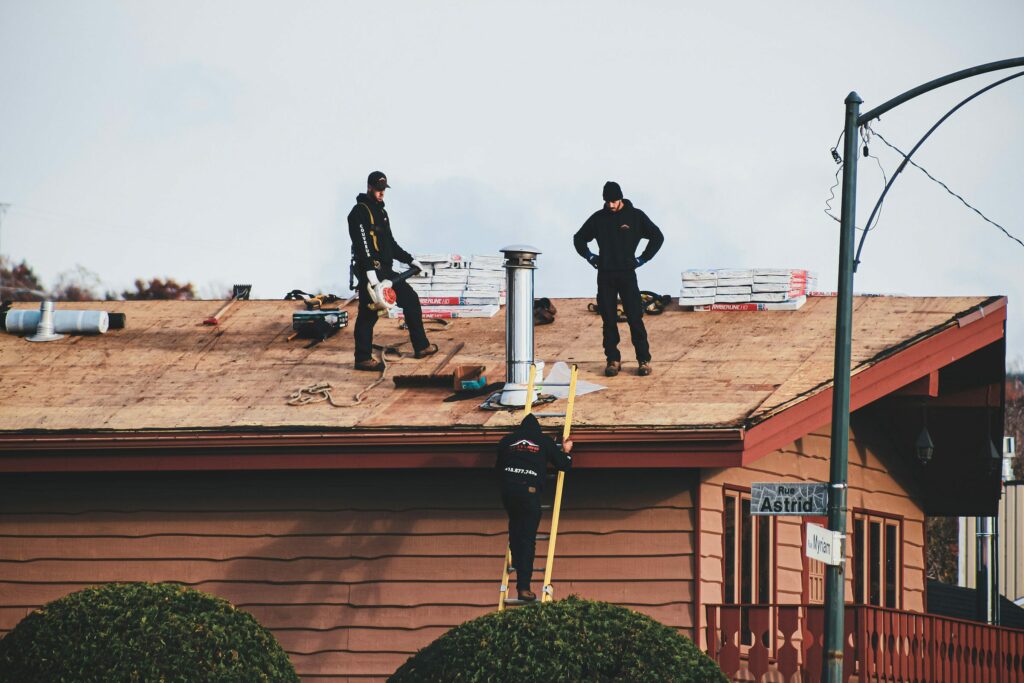
Camden is one of Minneapolis’s eleven official communities. Together with Near North, it makes up what most people call North Minneapolis. It covers about 5 square miles and had about 31,300 residents in the 2020 census. In 2000, about 77% of homes in Camden were owner-occupied, a high share for the city.
The community is defined by its edges. The Mississippi River forms the eastern boundary, crossed by the Camden and Lowry Avenue bridges into Northeast. To the west, Xerxes Avenue is the city line with Robbinsdale. To the north, 53rd Avenue North meets Brooklyn Center. Victory Memorial Drive, a parkway the city named after World War I and lined with a memorial to local soldiers who died in the World Wars, runs through the Victory neighborhood on Camden’s west side.
Camden also includes two industrial areas that are not part of any residential neighborhood: the Camden Industrial Area and the Humboldt Industrial Area. Early in the 20th century, neighborhoods such as Victory were home to many of the factory and mill workers of North Minneapolis.
Neighborhoods
Camden Neighborhoods We Serve
Camden contains seven official residential neighborhoods. We arrange roof repair, replacement and inspections in each of them:
- Cleveland
- Folwell
- Lind-Bohanon
- McKinley
- Shingle Creek
- Victory
- Webber-Camden
We also help owners of commercial and industrial buildings in the Camden and Humboldt industrial areas. For neighborhoods in other parts of the city, see our Minneapolis service area.
Housing Stock
Camden Home Styles and Typical Roofs
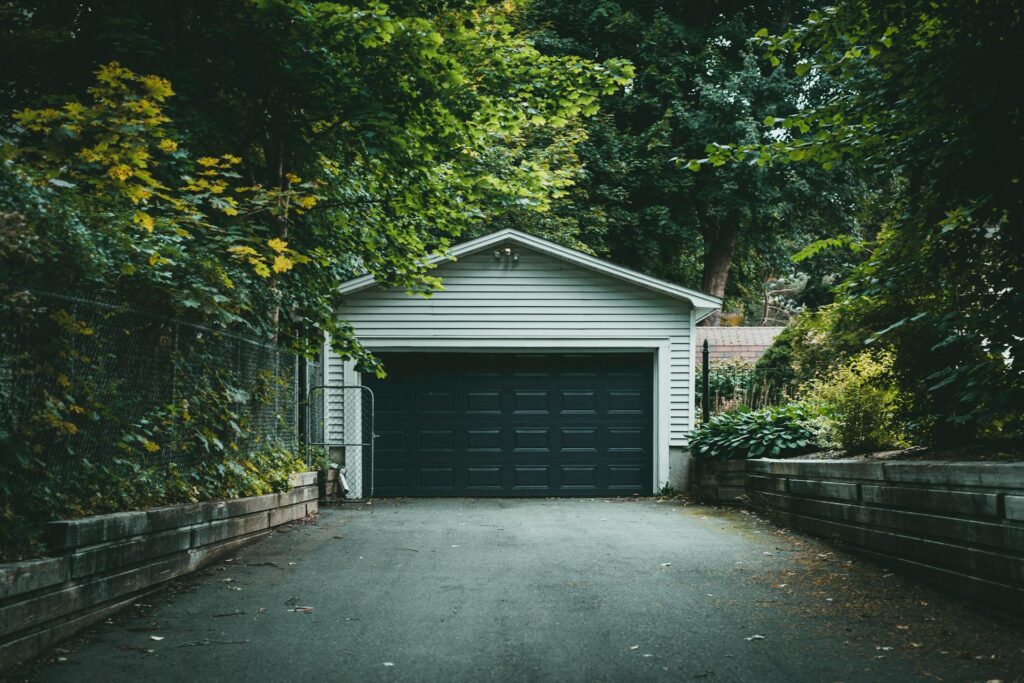
Camden did not develop all at once. The southern and eastern neighborhoods filled in first, while land to the west and north stayed rural longer. That timeline shows up in the roofs.
1910s–1930s frame houses in McKinley and nearby blocks
In McKinley, between Dupont Avenue and the river, many homes are two-story, single-family wood-frame houses built between 1910 and 1930. The neighborhood also has bungalows and some small stucco homes in the Tudor style. These roofs often have steeper pitches, front-facing gables, small dormers and brick chimneys. Tudor-style houses in particular can have steep, intersecting roof planes that create valleys where leaks start.
Postwar infill in Cleveland and the west side
Cleveland, along the Robbinsdale border, developed slowly. Developers promoted its streetcar access in the early 1900s, and building picked up after World War I, but the area stayed largely rural until a post-World War II boom filled in many of the remaining lots. Homes from that period tend to have simpler gable or hip roofs that are easier to reroof, though many have attic spaces that were later finished as bedrooms.
Redeveloped blocks in Lind-Bohanon
In Lind-Bohanon, the Humboldt Greenway program removed more than 200 World War II-era houses and replaced them with newer single-family homes and multifamily townhomes, along with senior housing. Newer homes and townhome buildings have different needs: shared roof lines, association rules, and roofs that may be reaching their first replacement. Our townhouse roofing guide covers how those projects usually work.
Homes near parks, creeks and the river
Camden has a lot of green space: Webber Park and Webber Parkway, the 27-acre Folwell Park, Shingle Creek running through the northwest corner, and North Mississippi Regional Park along the river. Houses near mature trees tend to collect leaves and debris in valleys and gutters, and overhanging limbs are a common source of storm damage.
Talk to Someone About Your Camden Roof
Describe your house and what you are seeing, from a ceiling stain to missing shingles after a storm. Call (888) 657-0348.
Common Problems
Roofing Problems Camden Homeowners Run Into
Ice dams over finished attics
Story-and-a-half houses and older homes with converted attics are prone to ice dams in a Minneapolis winter. Heat leaks into the roof, melts the snow, and the water refreezes at the cold eaves, backing up under shingles. When a Camden roof is replaced, ice barrier membrane at the eaves limits damage, but air sealing, insulation and ventilation are what reduce the dams themselves.
Aging shingles on homes that were last reroofed decades ago
Many Camden homes are owned long-term, which often means a roof that has been there for a long time. Curling, cracked or granule-bare shingles are a sign the roof is near the end of its life, and leaks often show up first around chimneys and plumbing vents.
Wind, hail and tree damage
Strong summer storms are a regular part of Minneapolis weather, and North Minneapolis was hit hard by a tornado in May 2011. After any severe storm, look for missing shingles, dented vents and gutters, and limbs on the roof. Our hail damage roof repair page explains what to document before you call your insurer.
Detached garages and porches
Many Camden lots have a detached garage off the alley and an enclosed front porch. Those low-slope porch roofs and older garage roofs are frequent leak sources that get overlooked until the ceiling stains.
Our Services
Roofing Services We Arrange in Camden
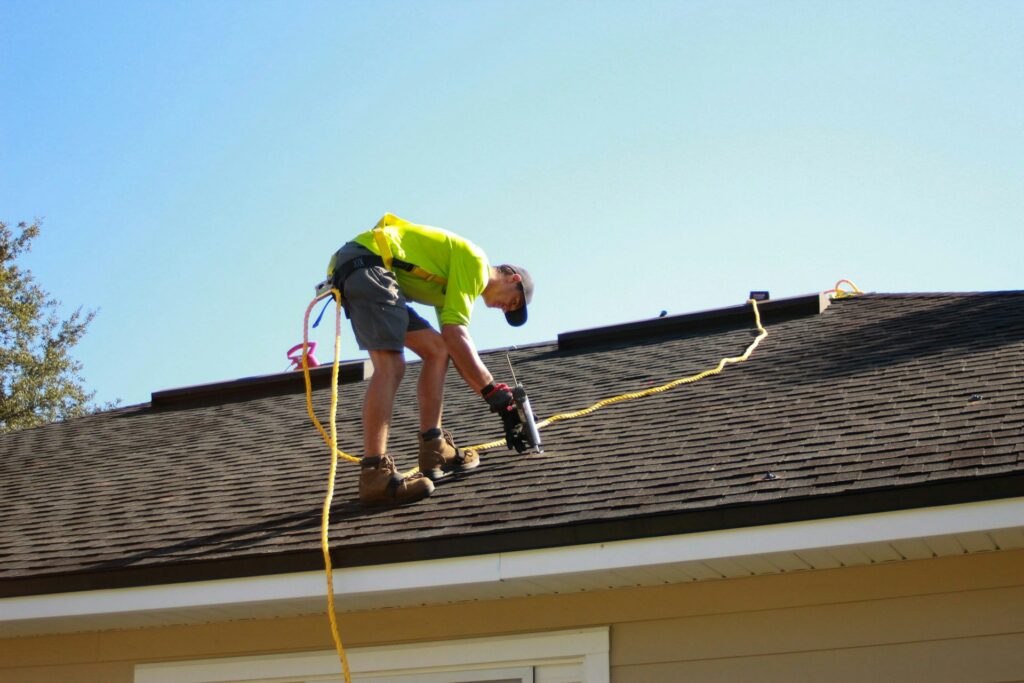
- Roof repair: leaks, flashing problems, wind-lifted or missing shingles and storm damage. See Minneapolis roof repair.
- Roof replacement: full tear-off, decking repairs, ice barrier, underlayment, ventilation and new shingles. Learn about replacing your roof.
- Roof inspections: for buyers, sellers, and homeowners trying to decide between repair and replacement.
- Storm and hail damage: documentation and repair after severe weather.
- Townhome roofing: for owners and associations on newer redeveloped blocks.
- Garage, porch and low-slope sections: the smaller roofs that often get missed.
Historic Areas
Historic Districts and Camden Roof Projects
The City of Minneapolis Heritage Preservation Commission designates local landmarks and historic districts. Its list includes the Victory Memorial Drive Historic District, which covers the parkway along Camden’s western edge, and the C.A. Smith Lumber Historic District in the Camden industrial area.
Most Camden houses are not inside a designated district, and ordinary reroofing on them follows normal city permitting. If you own a property that is a designated landmark or sits within a local historic district, exterior changes, including a change in roofing material, may need heritage preservation review before work begins. Check with the city’s heritage preservation staff if you are unsure.
Repair or Replace
Repair or Replace? How Camden Homeowners Can Decide
Because so many Camden homes are owner-occupied and held for years, the repair-or-replace decision comes up often. There is no single rule, but a few signs point one way or the other.
Repair usually makes sense when
- The leak traces to one spot, such as a chimney, vent boot or valley, and the rest of the roof is sound.
- Storm damage is limited to a few missing or creased shingles on a roof that is otherwise mid-life.
- The problem is a porch or garage roof rather than the main house.
Replacement usually makes sense when
- Shingles are curling, cracking or shedding granules across several slopes.
- There are multiple layers already, or soft spots suggest decking damage.
- Ice dams and leaks recur every winter and the attic needs work anyway, so it is efficient to fix ventilation and add eave protection at the same time.
A roof inspection gives you an honest read on where your roof stands before you spend money in either direction.
Planning
Tips for Planning a Roof Project in Camden
- Get the attic looked at. If you have ice dams or frost in the attic, ask for an assessment of insulation and ventilation, not just a shingle quote.
- Ask about decking. On 1910s–1930s houses, board decking is common. The estimate should say how damaged boards will be replaced and priced.
- Include the garage and porch if needed. Doing them at the same time can be simpler than separate jobs later.
- Trim trees first. Cutting back overhanging limbs before a new roof goes on protects the investment.
- Know your numbers. Our guide to what a new roof costs in Minneapolis explains the factors that move the price.
Nearby Minneapolis communities
We also arrange roofing work in neighboring parts of the city, including Near North Roofing, Northeast Minneapolis Roofing. See every community we cover on our Minneapolis roofing service area page.
Common Questions
Frequently Asked Questions
Answers to common roofing questions from homeowners and property owners in Camden.
What neighborhoods are in the Camden community?
Camden includes seven residential neighborhoods: Cleveland, Folwell, Lind-Bohanon, McKinley, Shingle Creek, Victory and Webber-Camden. It also includes the Camden and Humboldt industrial areas.
Are older Camden homes more likely to get ice dams?
Homes with finished attics, knee walls or limited insulation, common in older housing, are more prone to ice dams. Better air sealing, insulation and ventilation reduce them, and ice barrier membrane at the eaves limits leaks.
Do I need special approval to reroof my Camden house?
Most Camden homes only need standard city permitting. If your property is a designated landmark or in a local historic district, check with the city’s heritage preservation staff before changing roofing materials.
Can you help with storm damage after a hail or wind event?
Yes. We arrange inspections and repairs after storms and can help you document damage before you contact your insurance company.
Do you work on townhome roofs in Camden?
Yes. Newer townhome buildings, including those on redeveloped blocks in Lind-Bohanon, often involve shared roofs and association rules, and we can help owners and boards plan the work.
How soon will I hear back?
We respond within 24–48 hours. Mention an active leak when you call so it can be treated as urgent.
Request a Free Roofing Estimate in Camden
From 1920s frame houses in McKinley to postwar homes in Cleveland and newer townhomes in Lind-Bohanon, we can help you find the right roofer. Call (888) 657-0348 or request a free estimate.