
Emergency Roof Repair in Minneapolis
Water pouring through a ceiling, a tree limb through the shingles, or a section of roof peeled back by wind needs attention now, not next month. Our emergency roof repair in Minneapolis focuses on stopping the water, protecting your home and getting a permanent fix lined up as soon as conditions allow.
When something goes wrong, call Minneapolis Roofing Company at (888) 657-0348. We offer a fast response for emergency roofing in Minneapolis and nearby Twin Cities neighborhoods, for both homes and commercial buildings.
This page walks you through what to do in the first hour, what temporary protection looks like, and what happens after the emergency is under control.
Is it an emergency?
What Counts as a Roofing Emergency
Not every roof problem is urgent, but some can turn into major damage within hours. Treat these as emergencies:
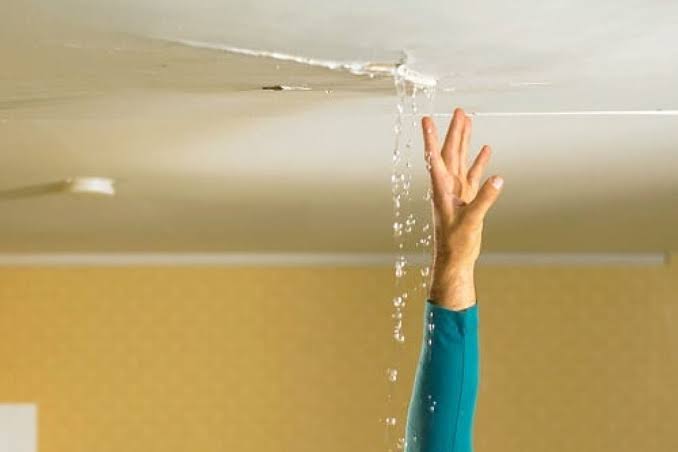
- Active leaks dripping or running through ceilings, light fixtures or walls
- Storm damage such as missing shingles, torn membrane, or exposed roof deck after hail or high winds
- Fallen trees or large limbs resting on or through the roof
- Sagging or bowing in the roofline or ceilings, especially under heavy snow
- Ice dams pushing water into the house during a thaw
- Broken skylights or damaged chimneys and flashing letting water in
- Flat roof failures with ponding water, blown-off membrane or blocked drains over a business or apartment
A slow stain that has not changed in weeks, a few missing granules or a loose gutter can usually wait for a standard roof repair appointment.
Right now
Emergency Roof Repair in Minneapolis: What to Do Right Now
The first priority is people, then property. Work through these steps in order.
1. Make sure everyone is safe
- Stay off the roof. Wet, icy or storm-damaged roofs are dangerous, and damaged areas may not support your weight.
- Keep away from downed power lines and call the utility if you see any.
- If a ceiling is bulging with water or sagging, keep people out of that room.
- If water is near outlets, fixtures or the electrical panel, the Minnesota Department of Commerce advises shutting off the electricity if it is safe to do so.
2. Protect the inside of your home
- Put buckets, bins or towels under drips.
- Move furniture, electronics, rugs and valuables away from the leak.
3. Document the damage
Take photos and video of the roof from the ground and of every area of interior damage before you clean up. The Department of Commerce recommends this for insurance purposes, along with keeping receipts for emergency repairs.
4. Call for help
Call us at (888) 657-0348 to arrange temporary protection and an assessment. If the damage is significant, contact your insurance company or agent to report the claim.
Temporary protection
Tarping and Other Temporary Roof Protection
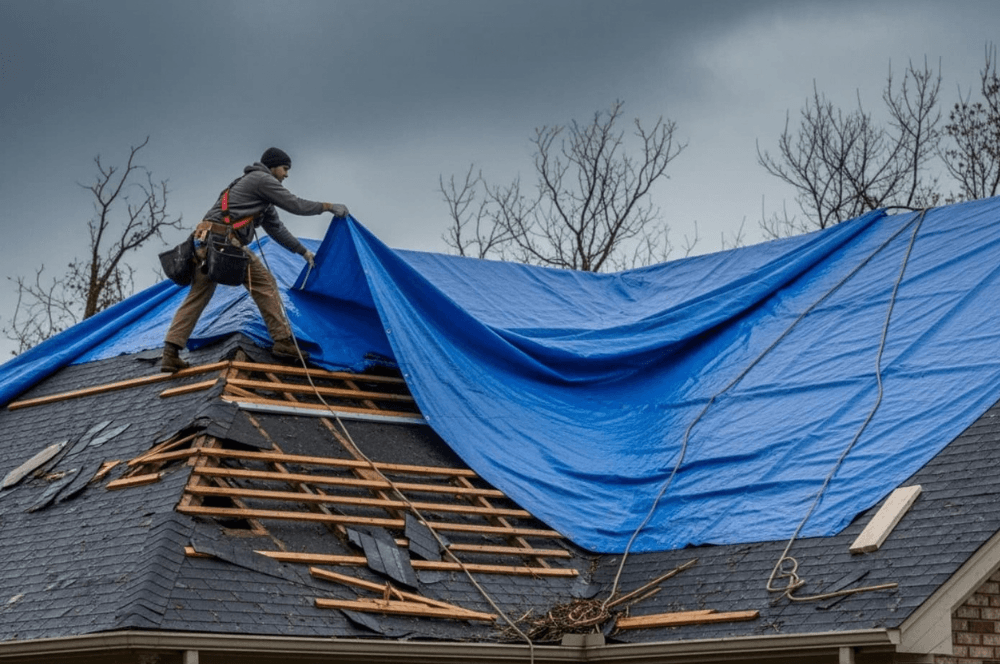
The goal of emergency work is to keep water out until a permanent repair can be done properly. The Minnesota Department of Commerce encourages homeowners to take reasonable steps to prevent further damage, such as tarping a damaged roof, because additional damage may not be covered by a policy if those steps are skipped.
Emergency tarping
A heavy-duty tarp is laid over the damaged area, extended past it on all sides and up over the ridge where possible, and secured with boards so wind cannot get under it. A properly installed tarp sheds water instead of channeling it into the house. Poorly fastened tarps can tear loose in the next gust, so this is work best left to a roofing crew.
Sealing and patching
- Sealing around lifted flashing, vents or pipe boots with roofing sealant
- Covering small punctures or torn shingles with patch material
- Boarding over a broken skylight
- Temporary patches on flat roof membranes and clearing clogged drains
Temporary fixes buy time, but they are not meant to last. The Department of Commerce advises keeping repairs temporary until your insurance adjuster has inspected the damage, if you are filing a claim.
Water coming through the roof?
Get to safety, protect what you can, and call us for a fast response. Minneapolis Roofing Company: (888) 657-0348.
After the emergency
What Happens Next: Inspection and Permanent Repair
Once the roof is protected, the focus shifts to understanding the full extent of the damage and fixing it properly.
- Full assessment. We inspect the damaged area and the rest of the roof, including flashing, decking and the attic, and photograph what we find.
- Written estimate. You get an itemized estimate for the permanent repair, or for replacement if the damage is too extensive.
- Insurance coordination. If you have filed a claim, you can share our photos and estimate with your insurer and adjuster.
- Permanent repair. Damaged decking, underlayment, shingles, membrane and flashing are replaced, and the temporary materials come off.
- Interior follow-up. University of Minnesota Extension advises drying wet areas promptly to prevent mold and waiting until ceilings and walls are completely dry before repairing interior finishes.
Why the permanent repair should not wait too long
A tarp or patch can look like it is doing its job while water slowly finds its way around the edges. Sun, wind and snow wear temporary materials down, and Minneapolis freeze-thaw cycles can widen small gaps quickly. Water that sits in decking or insulation can also lead to rot and mold that are harder to fix later.
Scheduling the permanent repair soon after the emergency also keeps your records in order. Photos, the temporary repair receipt, the inspection findings and the final invoice tell one clear story if you need them for an insurance claim or when you sell the house.
Winter emergencies
Winter Roofing Emergencies in Minneapolis

Minneapolis winters create their own kind of roof emergency. Most of them come down to snow, ice and freeze-thaw cycles.
Ice dams and leaks
When attic heat melts snow and the water refreezes at the cold eaves, it can back up under shingles and into walls and ceilings. During an active leak, the fastest relief usually comes from removing snow above the dam and opening a drainage channel through the ice. Low-pressure steam does this without beating up the shingles.
Heavy snow loads
A sagging roofline, cracking ceilings or doors that suddenly stick on upper floors can signal that snow is overloading the structure. University of Minnesota Extension advises not to climb onto a roof showing these signs and not to stay inside the building while the snow remains. Get people out of the affected area first.
Frozen gutters and downspouts
Gutters packed with ice can pull away from the fascia under the weight, and blocked downspouts send meltwater back toward the roof edge and foundation. If a gutter is hanging loose or ice is breaking off in large pieces over a doorway, keep people clear of the area until it can be dealt with.
Clearing snow before it becomes a problem is far easier than an emergency call during a thaw. See our roof snow removal and ice dam service for how we handle heavy snow and ice before it reaches the inside of your home.
Storm emergencies
Storm Damage: Hail, Wind and Fallen Trees
Summer storms across the Twin Cities can bring hail, straight-line winds and falling trees in the same afternoon. Each causes a different kind of emergency.
Wind damage
High winds lift and tear shingles, peel back the edges of flat roof membranes, and bend flashing. Once the underlayment or deck is exposed, the next rain goes straight into the house. Missing shingles near the ridge or along edges should be covered quickly.
Fallen trees and limbs
A tree on the roof is a structural problem as well as a roofing one. Stay out of rooms below the impact, keep clear of tangled power lines, and let professionals remove the tree before the roof opening is covered and repaired.
Hail
Hail rarely causes an immediate leak unless it breaks skylights or punches through older materials. More often, it leaves bruised shingles and dented metal that fail later. Once the urgent issues are handled, our hail damage inspection and repair page explains how we assess and document storm damage.
Watch for storm chasers
After big storms, out-of-town crews often knock on doors. The Minnesota Department of Commerce suggests checking a contractor’s license with the Department of Labor and Industry and avoiding high-pressure sales tactics. You do not need to sign a contract just to get emergency tarping or an estimate.
Flat and commercial
Emergency Repairs for Flat and Commercial Roofs
Leaks over a store, office, warehouse or apartment building can shut down operations or affect many tenants at once. Flat roofs also behave differently in an emergency. Water can travel a long way under a membrane before it appears inside, and clogged drains can let water pond and add weight quickly.
- Clear drains and scuppers so standing water can leave the roof.
- Patch punctures, open seams and blown-off membrane edges.
- Check rooftop units, curbs and penetrations, which are common leak points.
- Note where water is appearing inside so the source can be traced.
Once the building is watertight, a permanent fix can be planned. Learn more on our flat roof repair page.
Common Questions
Frequently Asked Questions
Answers to common questions about emergency roof repair in Minneapolis.
What should I do first if my roof is leaking?
Make sure everyone is safe, catch the water and move belongings away from the leak. Then photograph the damage and call a roofer to get the area covered.
Should I go on the roof to put up a tarp myself?
We advise against it. Wet, icy and storm-damaged roofs are slippery and may not hold your weight, so let a roofing crew install the tarp.
How fast can you respond to an emergency?
We offer a fast response and respond within 24–48 hours. Call (888) 657-0348 to get on the schedule.
Will my insurance cover emergency roof repairs?
That depends on your policy and the cause of the damage, so check with your insurer. The Minnesota Department of Commerce advises making reasonable temporary repairs like tarping and keeping receipts, since your insurer may reimburse those costs.
Is a temporary tarp a permanent fix?
No. A tarp is meant to keep water out for a short time until the damaged roofing, underlayment and decking can be properly repaired or replaced.
What should I do about an ice dam that is leaking into my house?
Catch the water inside and do not chip at the ice yourself, which can damage shingles. Call for help to remove the snow and open a drainage path through the ice.
Do you handle emergency leaks on flat commercial roofs?
Yes. We work on flat and low-slope roofs for businesses and apartment buildings, including clearing drains and patching membranes to stop leaks.
Get Your Roof Protected Fast
Leaks, storm damage and ice dams only get worse with time. Call Minneapolis Roofing Company at (888) 657-0348 for a fast response, or request a free estimate.