
Roof Replacement Cost Minneapolis: What to Budget in 2026
The roof replacement cost Minneapolis homeowners pay depends on far more than the shingle you pick. Roof size, pitch, how many layers come off, the condition of the decking, and Minnesota code details like ice barrier all change the final number.
This guide pulls together published cost data so you can set a realistic budget before you collect bids. Every range below is an estimate from national or regional sources. Your actual price can only be set after someone measures and inspects your roof.
Want a number for your own home? Call (888) 657-0348 to request a free estimate.
The Short Answer
Average Roof Replacement Cost Minneapolis Homes Can Expect
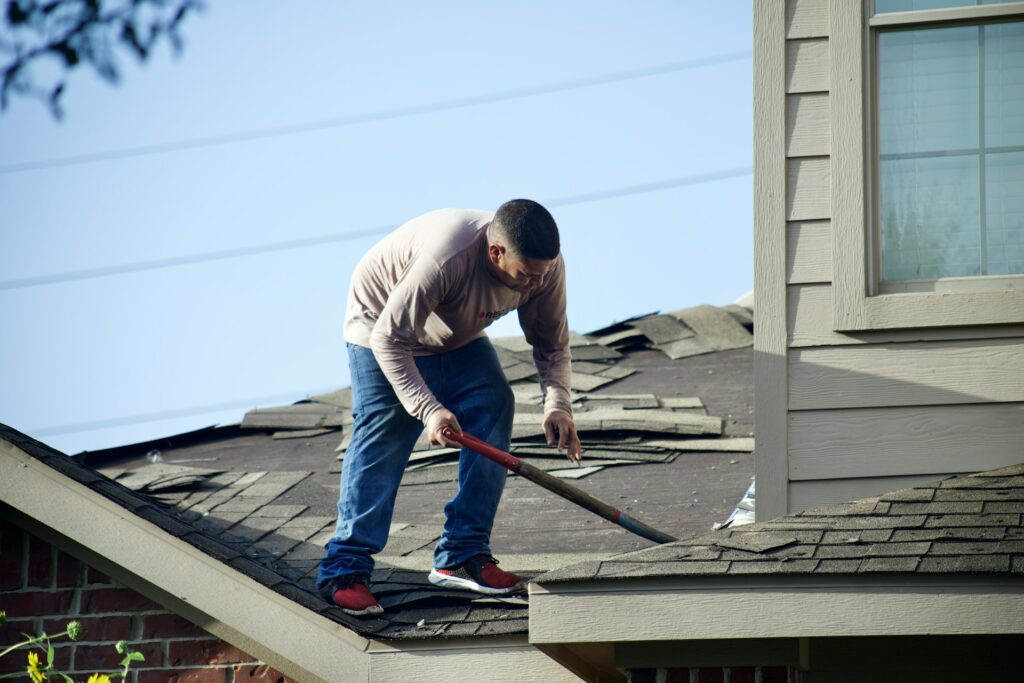
Published sources land in a fairly wide band, mostly because they measure different things:
- National cost guides: HomeGuide puts a typical U.S. roof replacement at about $5,700 to $16,000, with an average near $10,800.
- Minnesota estimates: This Old House, using RSMeans material data, estimates about $10,100 for a typical 2,000-square-foot Minnesota home, with a statewide range of roughly $6,700 to $21,500 depending on material.
- Remodeling magazine’s 2025 Cost vs. Value report: its Minneapolis figure for a large asphalt re-roof is about $31,900. That sample job is a 3,000-square-foot hip roof with full tear-off to bare sheathing, new underlayment, two skylights, and a vented ridge, so it sits at the high end.
For a typical single-family house with a straightforward roof, a new roof cost in Minneapolis for asphalt shingles generally falls around $8,000 to $15,000. Large, steep, or complicated roofs, and premium materials, can run well past that.
What Drives Price
Cost Factors That Change Your Quote
Roof area, not floor area
Roofers price by the “square,” which is 100 square feet of roof surface. A steeper roof or one with wide overhangs has more surface than the floor plan suggests, so two houses with the same square footage can need very different amounts of material.
Pitch and access
Steep roofs need extra safety setup and slow the crew down. Tight lots, detached garages, and limited driveway space for a dumpster also add labor.
Complexity
Valleys, dormers, skylights, chimneys, and wall intersections all need flashing. A simple gable roof costs less per square than a cut-up roof with many details.
Layers and decking condition
Older Minneapolis homes sometimes carry two layers of shingles, which takes longer to remove. Rot and ice dam damage hidden under old roofing often only shows up during tear-off.
Season and demand
After a major hailstorm, demand spikes across the Twin Cities and schedules fill up. Planning a non-emergency replacement outside storm-recovery periods gives you more choice of dates.
Price by Material
Typical Roof Costs by Material

Installed cost per square foot, based on national cost-guide ranges. Totals assume roughly 2,000 square feet of roof surface and are rounded.
- 3-tab asphalt shingles: about $3 to $5 per sq ft, or roughly $6,000 to $10,000.
- Architectural (dimensional) asphalt shingles: about $4 to $6 per sq ft, or roughly $8,000 to $12,000.
- Exposed-fastener metal: about $5 to $12 per sq ft, or roughly $10,000 to $24,000.
- Standing seam metal: about $9 to $16 per sq ft, or roughly $18,000 to $32,000.
- Flat and low-slope membranes (EPDM, TPO, modified bitumen): about $3 to $11 per sq ft depending on membrane and insulation.
Asphalt roofs in Minneapolis
Asphalt shingles remain the most common choice on Minneapolis homes because they offer the lowest upfront cost. Most new installs use architectural shingles, which cost a little more than 3-tab but look better and carry higher wind ratings. Impact-resistant shingles add cost but are worth pricing in a hail-prone market.
Metal and flat roofs
Metal costs more upfront but lasts much longer. Our metal roofing options page compares standing seam and exposed-fastener systems. For low-slope porches, additions, and commercial buildings, see flat roofing systems.
Want a Real Number for Your Roof?
Published ranges only go so far. We’ll measure and inspect your roof, then give you a written, itemized estimate. Call (888) 657-0348.
Beyond Shingles
Tear-Off, Decking, Permits, and Ventilation
These items are where estimates differ most. Make sure each one is addressed in every bid you compare.
Tear-off and disposal
Removal typically runs about $1 to $3 per square foot for shingles or metal, and more for heavier materials or multiple layers. The Minnesota Residential Code allows a maximum of two layers of asphalt shingles, so a roof that already has two must be torn off.
Decking (sheathing) replacement
Replacing damaged plywood or boards costs roughly $2 to $5 per square foot installed. Good estimates list a per-sheet price so you know what extra decking will cost if crews find rot.
Ice barrier and underlayment
Minnesota code requires an ice barrier from the eaves to at least 24 inches inside the exterior wall line. Synthetic underlayment over the rest of the deck is standard. Both should appear as line items.
Ventilation
Installing new roof vents runs about $200 to $700 per vent according to national guides. Code does not force you to upgrade ventilation during a re-roof, but it cannot be reduced below code minimums, and balanced ventilation helps limit ice dams.
Permits
A building permit is required to re-roof a home in Minnesota. In Minneapolis, building permit fees are based on the value of the work, plus a small state surcharge, and the city does not charge a plan review fee for simple permits like roofing. National guides put typical roofing permit fees at about $100 to $500. Your contractor normally pulls the permit and includes it in the price.
Reading Bids
How to Read a Roof Replacement Estimate
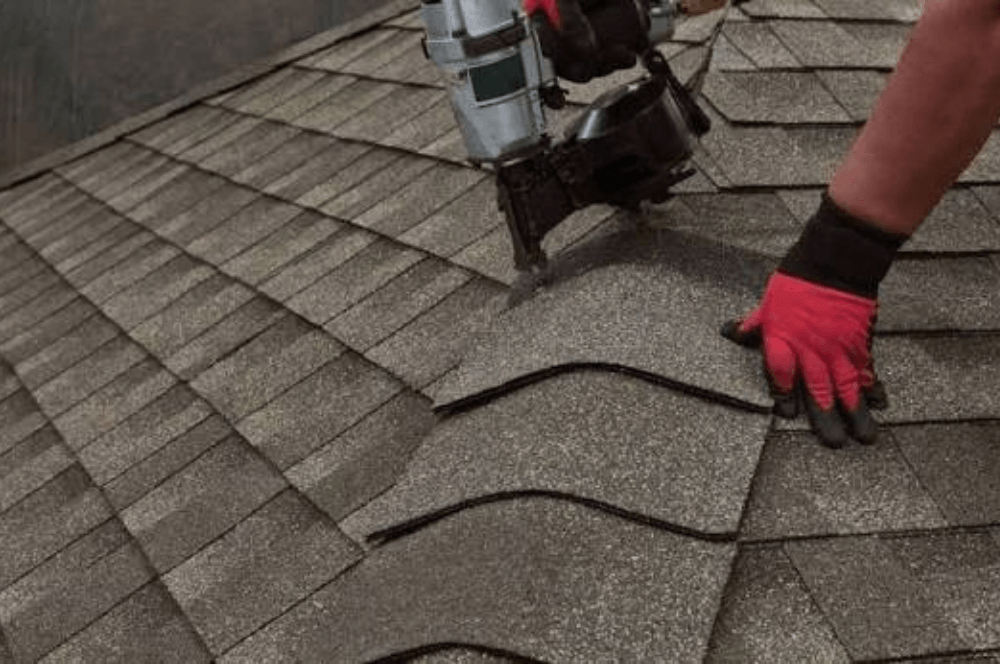
A low total can hide missing items. Line up bids and check that each one includes:
- Measured roof area in squares and the waste factor used.
- Exact shingle or panel product, including brand, line, and color.
- Tear-off scope: number of layers and disposal.
- Decking: price per sheet for any replacement.
- Ice barrier, underlayment, drip edge, and flashing: new or reused.
- Ventilation: ridge vent, intake vents, and any changes.
- Permit and cleanup, including nail sweeping.
- Warranty terms: what the manufacturer covers and what the installer covers in writing.
If one bid is much lower, ask what it leaves out. A full roof inspection before replacement can also show whether you need a full roof at all or a repair will do.
Save Money
Ways to Control Your Roof Replacement Cost
- Get two or three itemized bids so you can compare the same scope.
- Choose the right material for how long you will stay. Metal pays off over decades; architectural shingles often make more sense if you plan to sell soon.
- Fix small problems early. Repairing flashing or a few shingles now can prevent deck rot that adds cost later.
- Bundle related work, such as gutters or attic ventilation, while crews and equipment are already on site.
- Book outside storm-recovery rushes when you have the flexibility.
- Ask your insurer about discounts for impact-resistant roofing before choosing a product.
Remodeling magazine’s 2025 data shows a new asphalt roof recouping roughly two-thirds of its cost at resale nationally. Most owners replace a roof to protect the house, not as an investment, so focus on doing it right once.
Repair or Replace
When a Repair Makes More Sense Than a New Roof
Not every leak or storm means a full replacement. A localized problem, such as a cracked pipe boot, a lifted section of shingles, or failed flashing at a chimney, can often be fixed for a fraction of the cost of a new roof.
Replacement usually becomes the better value when damage is widespread, when shingles are curling, cracking, or shedding granules across most of the roof, or when the roof has already been patched repeatedly. Leaks that keep returning after repairs often point to worn underlayment or deck problems that only a tear-off will solve.
Age matters too. Cost guides put asphalt shingle lifespans at roughly 15 to 30 years, so a roof near the end of that window is a poor candidate for major repair spending. An honest inspection should tell you which path makes sense before you sign for either.
Storm Claims
Insurance-Covered Roof Replacements
Hail and wind damage are common reasons Minneapolis roofs are replaced through insurance. How much you pay depends on your policy, not on the contractor.
- Deductible: you pay your deductible. Minnesota law prohibits contractors from advertising or promising to pay all or part of it.
- Replacement cost vs. actual cash value: some policies pay full replacement cost, others subtract depreciation for an older roof. Check your declarations page.
- Itemized estimate: Minnesota law requires a contractor to provide a good-faith itemized estimate with any repair agreement, and contractors may not interpret your policy unless licensed as a public adjuster.
- Code upgrades: items like ice barrier may be covered differently depending on your policy’s code-upgrade coverage.
Document damage with photos, call your insurer, and get an inspection. Our full roof replacement service page explains the process from tear-off to final cleanup.
Common Questions
Frequently Asked Questions
Answers to common questions about roof replacement cost in Minneapolis.
How much does a new roof cost in Minneapolis?
For a typical single-family home with asphalt shingles, published estimates generally put it around $8,000 to $15,000, while large or complex roofs and premium materials can cost much more. An inspection and measurement are needed for an accurate price.
Why do roof replacement estimates vary so much?
Bids often differ in measured area, product line, tear-off scope, decking allowances, ventilation, and flashing. Comparing itemized estimates side by side usually explains most of the gap.
Do I need a permit to replace my roof in Minneapolis?
Yes. Re-roofing a home in Minnesota requires a building permit, and Minneapolis bases permit fees on the value of the work. Your contractor typically obtains it.
Can new shingles go over my old roof to save money?
Minnesota code allows at most two layers of asphalt shingles, so a roof that already has two must be torn off. Even when an overlay is allowed, tear-off lets damaged decking be found and the required ice barrier be installed properly.
How much more does a metal roof cost than asphalt?
National guides list standing seam metal at about $9 to $16 per square foot installed, versus about $4 to $6 for architectural shingles, so metal often costs two to three times as much upfront. It also tends to last much longer.
Will insurance pay for my roof replacement?
If a covered event such as hail or wind damaged the roof, your policy may pay for replacement minus your deductible and, on some policies, depreciation. Coverage decisions are made by your insurer, so review your policy and file promptly.
What hidden costs should I plan for?
The most common surprise is rotted or damaged decking found during tear-off. Ask each contractor for a per-sheet decking price and keep a contingency in your budget.
Get a Free Roof Replacement Estimate
Minneapolis Roofing Company provides clear, itemized estimates for asphalt, metal, and flat roofs. Call (888) 657-0348 or request a free estimate, and we respond within 24–48 hours.