
Roofing in Southwest Minneapolis: Repair and Replacement for Lake-Country Homes
Southwest Minneapolis covers about eight square miles of the city’s southwest corner, from the Chain of Lakes and Lake Harriet down past Minnehaha Creek to Highway 62. It is one of the most residential parts of the city, and its roofs tell the story of how it was built: early 1900s foursquares and Craftsman bungalows near the old streetcar lines, steep Tudor Revival gables around the creek, and postwar ramblers in the far southwest. Good roofing in Southwest Minneapolis starts with knowing which of those houses you own.
Minneapolis Roofing Company helps homeowners and property owners across the Southwest community arrange roof repairs, inspections and full replacements. This page explains what is typical about roofs in each part of Southwest, what tends to go wrong with them in a Minnesota winter, and what to ask before you sign a contract.
To talk about your roof, call (888) 657-0348 or request a free estimate. We respond within 24–48 hours.
The Community
The Nine Neighborhoods of Southwest Minneapolis
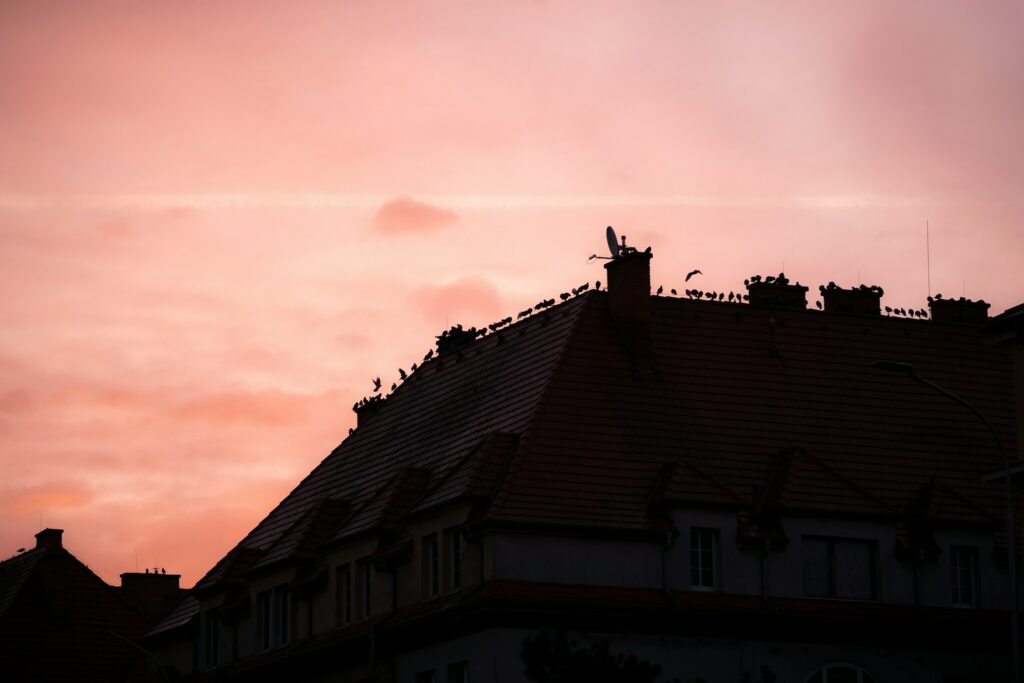
The City of Minneapolis groups nine neighborhoods into the Southwest community. Each has its own building era, and that era shapes the roofs you see on its blocks.
- Linden Hills: on a hill between Lake Harriet and Bde Maka Ska, grown up around the Como-Harriet streetcar line, with a small commercial center at 43rd Street and Upton Avenue that dates to the 1920s.
- East Harriet: from 36th to 46th Street between Lyndale Avenue and Lake Harriet, bordered on the west by the lake, Lakewood Cemetery and William Berry Parkway.
- King Field (Kingfield): 36th to 46th Street between I-35W and Lyndale. Roughly three-quarters of its single-family houses were built before 1920.
- Lynnhurst: 46th to 54th Street between Lyndale and Penn, with Minnehaha Creek and Minnehaha Parkway running through it. Most homes date from about 1905 to 1930.
- Tangletown: named for winding streets that break the South Minneapolis grid, with the Washburn Park Water Tower at its high point and Minnehaha Creek along its south side.
- Fulton: 47th to 54th Street between Penn and France, including the Minneapolis side of the 50th and France shopping district on the Edina border.
- Armatage: south of 54th Street to Highway 62, from Logan Avenue to Xerxes. Most homes were built between 1949 and 1969, with neighborhood shops along Penn Avenue.
- Kenny: 54th Street to Highway 62 between Logan and Lyndale, home to Grass Lake.
- Windom: 54th Street (and Diamond Lake Road) to Highway 62, between Lyndale and I-35W.
Put simply, much of the north half of Southwest is early-1900s housing, while Armatage, south of 54th Street, is largely postwar. The roofing advice differs between the two.
Older Homes
Roofs on Early-1900s Homes North of 54th Street
King Field’s homes between Lake Street and 40th Street went up largely between 1903 and 1914, in Colonial Revival and Craftsman bungalow styles, and building moved south toward the creek after World War I. Lynnhurst, built mostly between about 1905 and 1930, adds Tudor Revival and American Foursquare houses to the mix, and Linden Hills grew up along the Como-Harriet streetcar line.
Bungalows and story-and-a-half homes
A Craftsman bungalow usually has a moderate-pitch gable roof, wide overhangs and one or more dormers lighting a finished upper floor. Those finished upper rooms are where trouble starts. The sloped ceilings and short knee walls leave little room for insulation and ventilation, so warm air reaches the underside of the roof deck, melts snow, and the water refreezes at the cold eaves. That is the classic ice dam, and it is the single most common winter roof complaint on this type of house.
Foursquares and Colonial Revivals
Foursquares tend to have hipped roofs with a dormer on one or more sides. The hips themselves shed water well, but every dormer adds two valleys and step flashing where its sidewalls meet the main roof. On a 100-year-old house those flashings have often been patched or reused several times, and they deserve a close look whenever the shingles are replaced.
Tudor Revival
Tudors bring steep, intersecting front gables, catslide roofs that sweep low over an entry, and tall masonry chimneys. Steep slopes shed snow and rain quickly, but the many intersections mean more valleys, more flashing and more places for a leak to hide. Replacement on a Tudor takes more labor and more safety setup than a simple gable roof, which shows up in the price.
Postwar Homes
Ramblers and Postwar Roofs in Armatage, Kenny and Windom
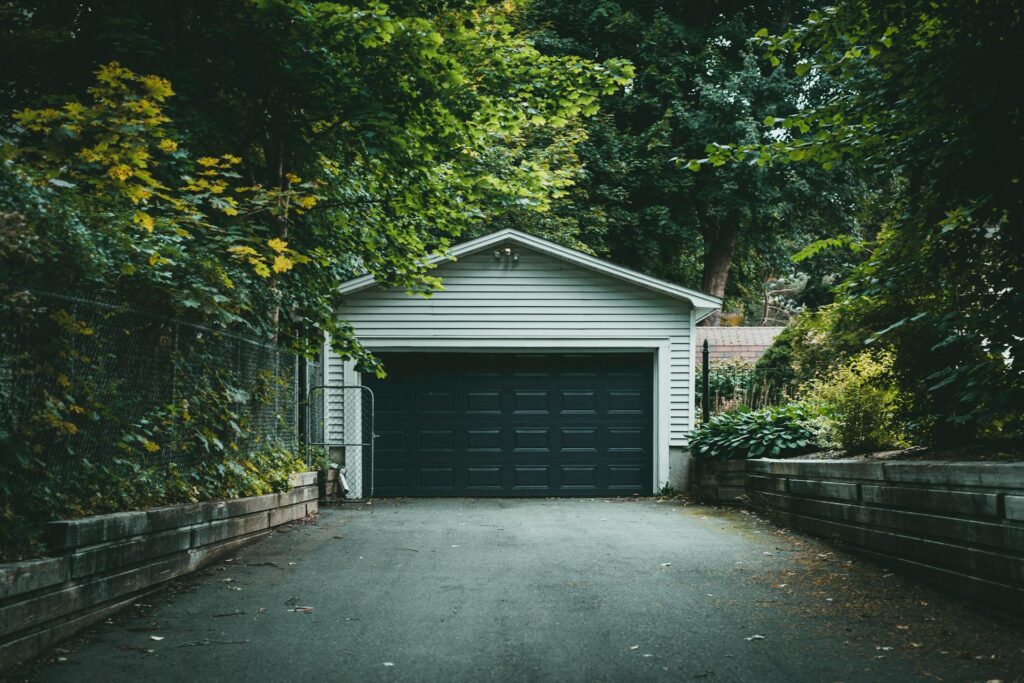
South of 54th Street, the housing changes. In Armatage, most homes date from 1949 to 1969, and only about 5 percent of dwellings predate World War II. Kenny and Windom sit across the same band between 54th Street and Highway 62. If you are not sure when your own house was built, Hennepin County property records list the year built, and it is a useful starting point for any roofing conversation.
Postwar roofs are usually simpler: long, low-pitch gables or hips over one-story ramblers and split-levels, with fewer dormers and valleys. That makes replacement more straightforward, but they have their own habits:
- Long eaves and low pitch. Snow sits longer on a gentle slope, and a long, unbroken eave gives an ice dam plenty of room to form if the attic runs warm.
- Attics that were insulated to older standards. Many mid-century attics have been topped up over the years; many have not. Insulation and air sealing affect how long the new roof lasts, so it is worth checking during an inspection.
- Multiple layers. A 60- or 70-year-old house may be on its third or fourth roof. If earlier crews laid new shingles over old ones, the next job should include a full tear-off so the deck can be inspected and repaired.
- Low-slope additions. Attached garages, porches and family-room additions sometimes carry nearly flat roofs that need a membrane, not shingles.
Planning Roof Work in Southwest Minneapolis?
Tell us what kind of house you have and what you are seeing, and we will help you arrange the right next step. Call (888) 657-0348.
Trees, Lakes, Creek
Mature Trees and Lakeside Lots: What They Mean for Your Roof
Southwest is known for its lakes, parks and trails, and for streets lined with old trees. Linden Hills is even named for its linden trees. That canopy is a big part of the appeal, but it changes how roofs age.
- Shade and moisture. Roofs that stay shaded and damp dry slowly after rain and snowmelt, which favors moss, algae streaking and granule loss on the shaded slopes.
- Leaves and seeds in gutters and valleys. Clogged gutters hold water at the eaves, which is exactly where ice dams start in winter. Debris packed into valleys slows drainage and wears shingles faster.
- Branches and storms. Limbs over the roof can scrape shingles in wind and drop onto the roof in storms. Trimming them back is cheaper than repairing punctured decking.
Homes on the slopes above Lake Harriet or along Minnehaha Parkway can also sit more exposed to wind than homes on a sheltered interior block. After a strong storm, it pays to check for lifted or missing shingles on the most exposed slope, even if you see nothing from the street.
Historic Properties
Historic Designations in Southwest Minneapolis

Most homes in Southwest are not individually designated, but some properties are. The Church of the Incarnation in King Field, which opened in 1918 at 38th Street and Pleasant Avenue, is a city historic district and was added to the National Register of Historic Places in 2022. Minneapolis has well over 175 designated landmarks and 18 local historic districts citywide.
If your property is a designated landmark or sits inside a local historic district, exterior changes such as switching roofing materials may need review by the city’s heritage preservation staff before work begins. A National Register listing on its own works differently from a local designation. Before you plan a material change on an older or architecturally notable home, check the property’s status with the City of Minneapolis, and ask your contractor to build any approval time into the schedule.
Even on undesignated homes, many Southwest owners want a new roof that suits the house: a slate-look or dimensional shingle on a Tudor, a color that works with stucco or brick, or a metal roofing option for a porch or low-slope section. Those are design decisions worth discussing before the estimate, not after.
Services
Roofing Services We Arrange in Southwest Minneapolis
Whether you live in a 1910 King Field bungalow or a 1955 Armatage rambler, these are the services we help Southwest homeowners and property owners arrange:
- Roof repair for leaks at dormers, chimneys, skylights and valleys, missing shingles after storms, and damaged flashing.
- Full roof replacement, including tear-off of old layers, deck repair, underlayment, ventilation and new shingles.
- Roof inspections before you buy or sell, after hail or wind, or when you are deciding whether to repair or replace.
- Hail and storm damage documentation and repair, for when a spring or summer storm moves across the lakes.
- Commercial roofing for shops, offices and mixed-use buildings along corridors such as 43rd and Upton, 50th and France, Penn Avenue and Lyndale Avenue.
For a sense of budget before you call, our guide to roof replacement cost in Minneapolis explains what drives the price, from roof complexity to tear-off layers.
Before You Hire
Questions to Ask South Minneapolis Roofers About an Older Home
Whichever contractor you choose, a few questions sort out the bids quickly on Southwest’s housing stock:
- Will you tear off all existing layers and inspect the deck? On older homes, the original deck may be board sheathing rather than plywood, and rotted boards need replacing before new shingles go on.
- How will you handle ice dam protection at the eaves and valleys? Ask what underlayment goes where, and whether attic ventilation will be improved.
- What happens at the chimney? Old masonry chimneys often need new step flashing and counterflashing, and sometimes tuckpointing, at the same time as the roof.
- Is a permit needed, and who pulls it? Confirm this with the contractor and the city before work starts.
- How will you protect landscaping and mature trees? Tight lots and old gardens are common in Southwest.
Get those answers in writing, along with the material specified, so you are comparing like with like.
Nearby Minneapolis communities
We also arrange roofing work in neighboring parts of the city, including Calhoun-Isles Roofing, Powderhorn Roofing, Nokomis Roofing. See every community we cover on our Minneapolis roofing service area page.
Common Questions
Frequently Asked Questions
Answers to common roofing questions from homeowners and property owners in Southwest Minneapolis.
Which neighborhoods are in the Southwest community of Minneapolis?
Southwest includes nine neighborhoods: Armatage, East Harriet, Fulton, Kenny, King Field, Linden Hills, Lynnhurst, Tangletown and Windom.
Why do so many Southwest Minneapolis bungalows get ice dams?
Story-and-a-half homes with finished upper rooms have little space for insulation and ventilation behind the sloped ceilings, so heat reaches the roof deck, melts snow and lets it refreeze at the cold eaves. Air sealing, insulation and ventilation address the cause; a new roof alone usually does not.
Do postwar ramblers in Armatage or Windom need a different roof than older homes?
The materials are often the same, but the priorities differ. Mid-century homes usually have simpler, lower-pitch roofs, so attention goes to eave protection, attic insulation and removing any old layers, rather than to the many dormers and valleys found on older houses.
Can I change the roofing material on a historic home in Minneapolis?
If the property is a designated landmark or in a local historic district, a material change may need review by the city’s heritage preservation staff. Check the property’s status with the City of Minneapolis before you plan the project.
Do you handle commercial roofs in Southwest Minneapolis?
Yes. We help arrange repairs and replacements for shops, offices and mixed-use buildings, including the flat and low-slope roofs common on commercial blocks.
How quickly can someone look at my roof?
Call (888) 657-0348 or request a free estimate, and we respond within 24–48 hours.
Talk to Us About Roofing in Southwest Minneapolis
From Linden Hills to Windom, Minneapolis Roofing Company can help you plan a repair, inspection or replacement that fits your home. Call (888) 657-0348 or request a free estimate. We respond within 24–48 hours.