
Comprehensive Roof Inspection in Minneapolis, Minnesota
A professional roof inspection identifies damaged materials, worn flashing, moisture problems, and other concerns that may not be visible from the ground. Whether you need an assessment after storm damage, before buying or selling a property, or as part of routine care, Minneapolis Roofing Company provides a thorough inspection with clear, honest findings.
Timing and Frequency
When Should You Schedule a Roof Inspection?
Knowing when to schedule a roof inspection can help you avoid costly repairs and unexpected problems. Here are the most important times to consider having your roof checked.
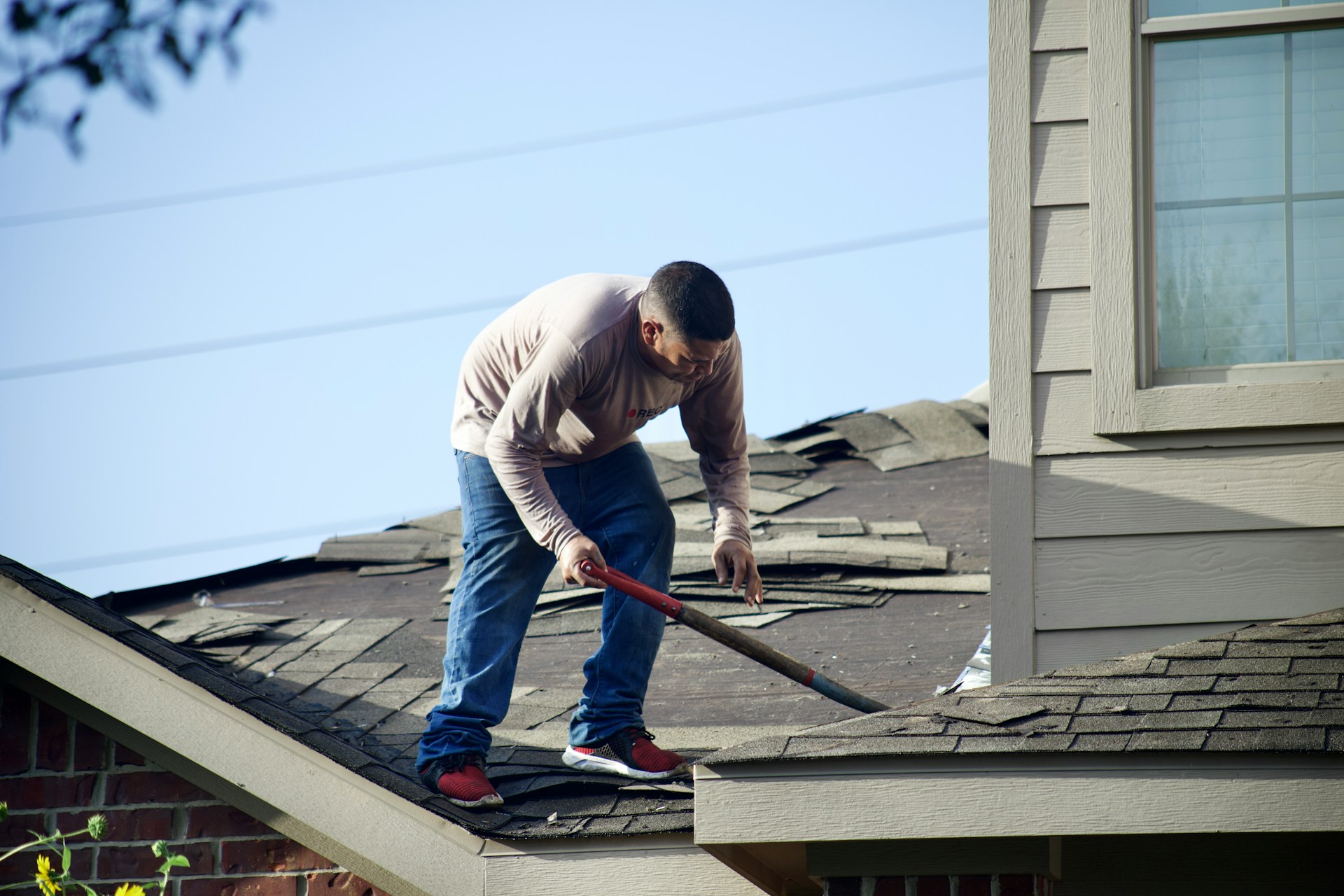
a. After Hail or Strong Winds
Hail can crack shingles, loosen protective granules, and dent flashing or vents. Strong winds may lift shingles and break their seals. Schedule an inspection after severe weather, even when no damage is visible from the ground.
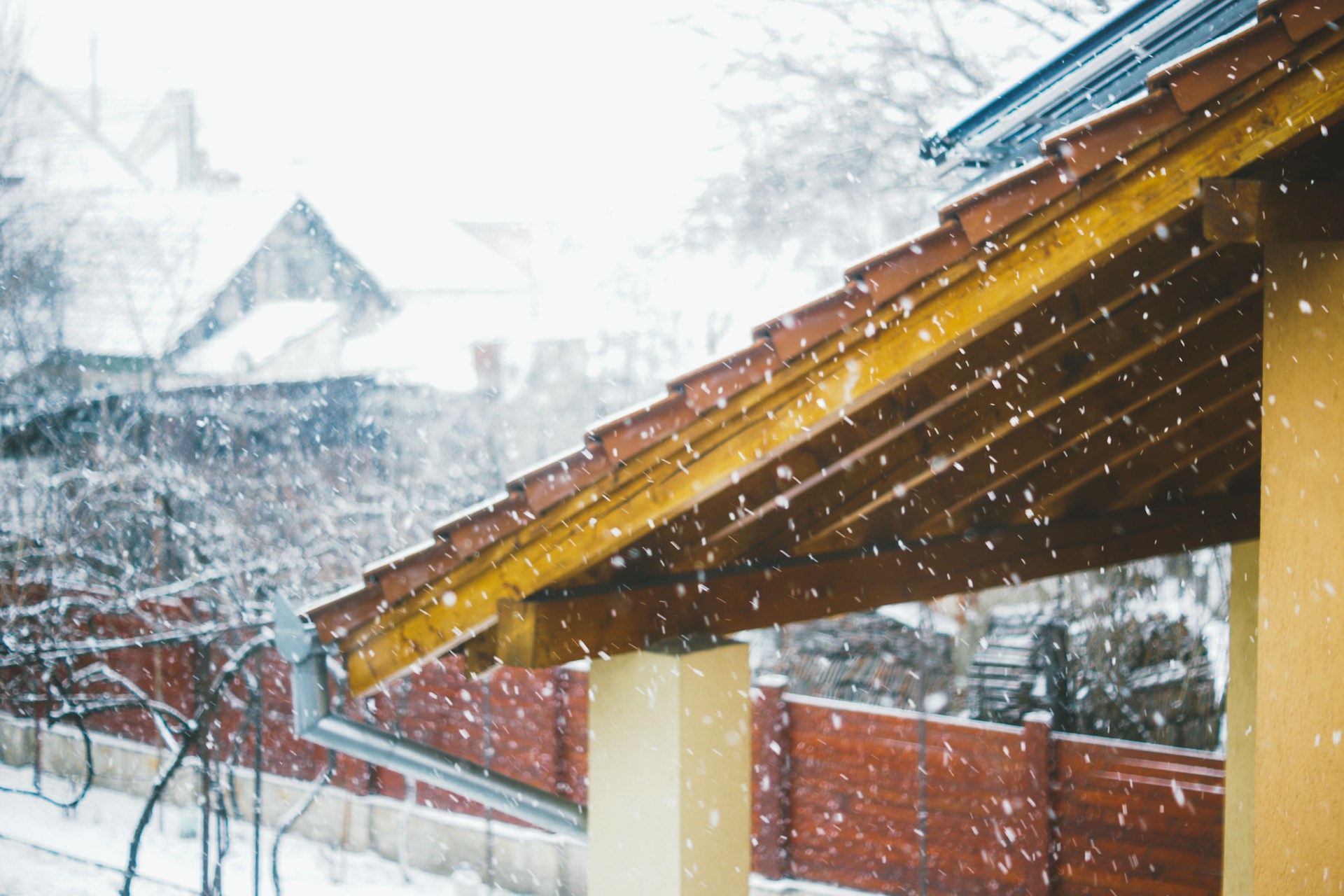
b. After Heavy Snowfall
Heavy snow adds weight to the roof, and meltwater can refreeze into ice dams along the eaves. An inspection after heavy snowfall can reveal ice-dam damage, lifted shingles, and stressed areas before leaks develop.
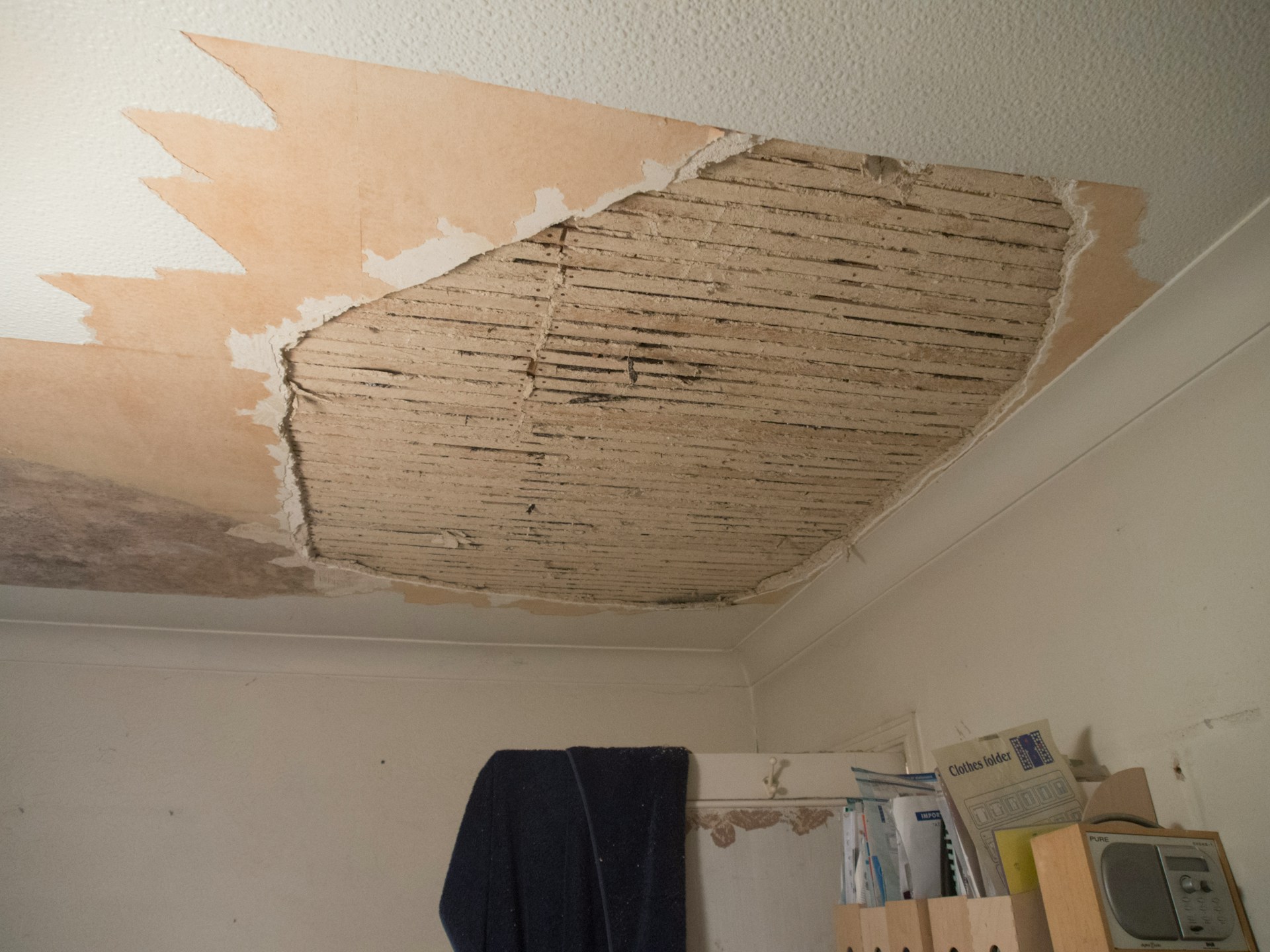
c. When Leaks Appear
Water stains, dripping, damp insulation, and musty smells may indicate a roofing problem. The visible moisture may be far from the actual entry point, so a professional inspection is needed to trace the source.
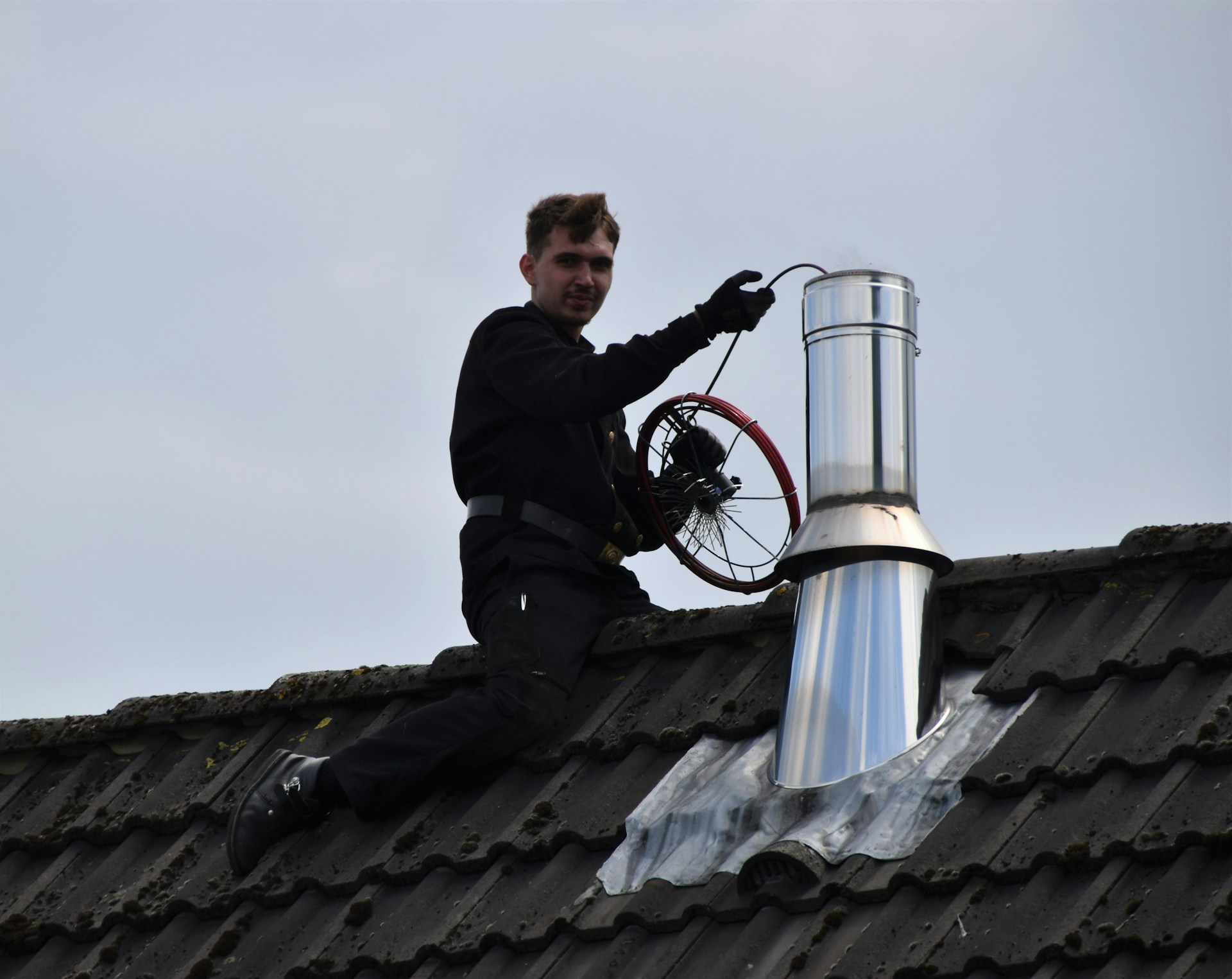
d. Before Buying a Property
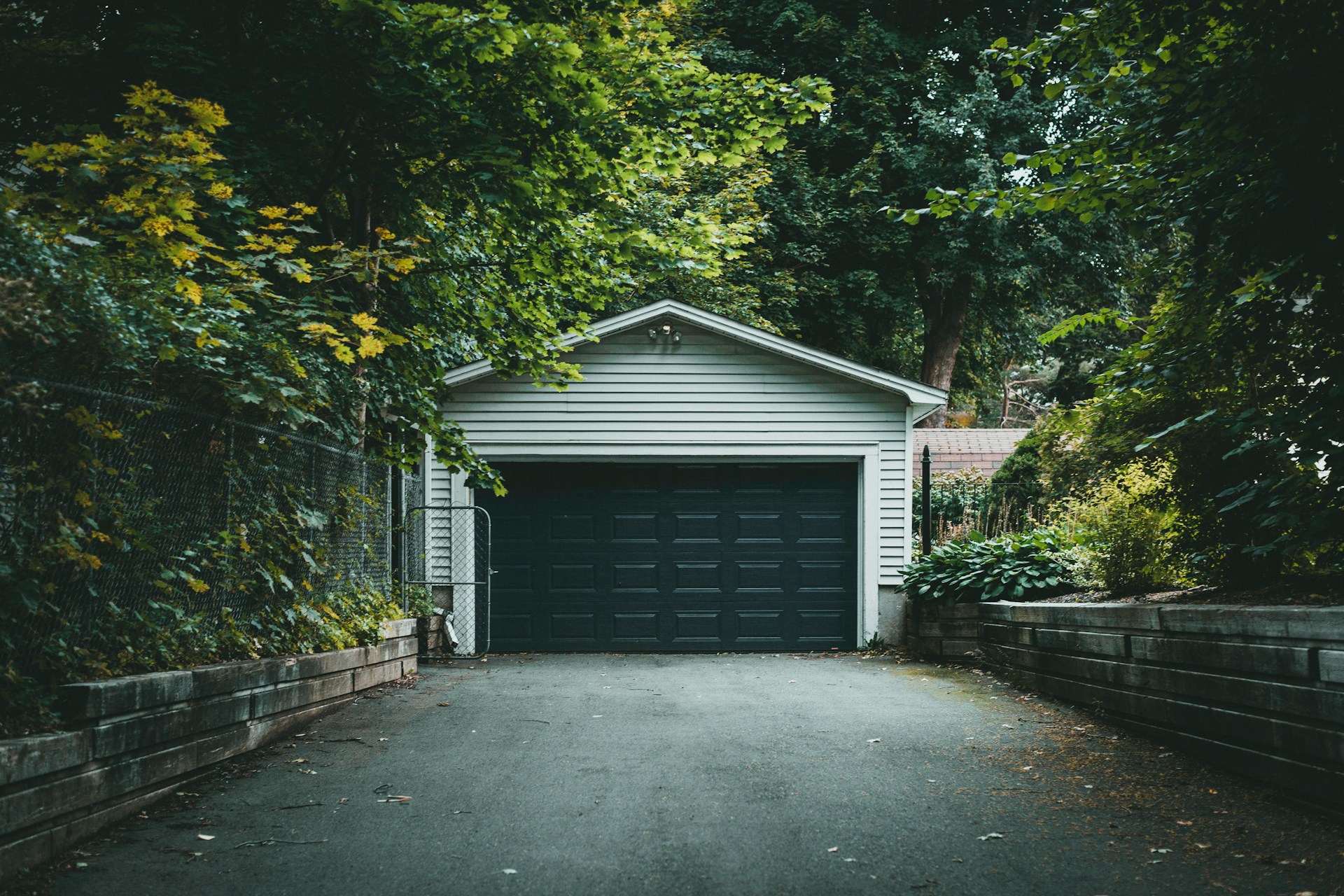
A general home inspection may identify visible concerns, but a dedicated roof inspection provides a more detailed assessment of the roofing materials, flashing, penetrations, drainage, and anticipated repair needs.
e. Before Selling a Property
A pre-sale inspection can identify problems that may concern potential buyers. Completing necessary repairs and keeping the inspection records can make it easier to answer questions about the roof's condition.
f. Before Replacing a Roof
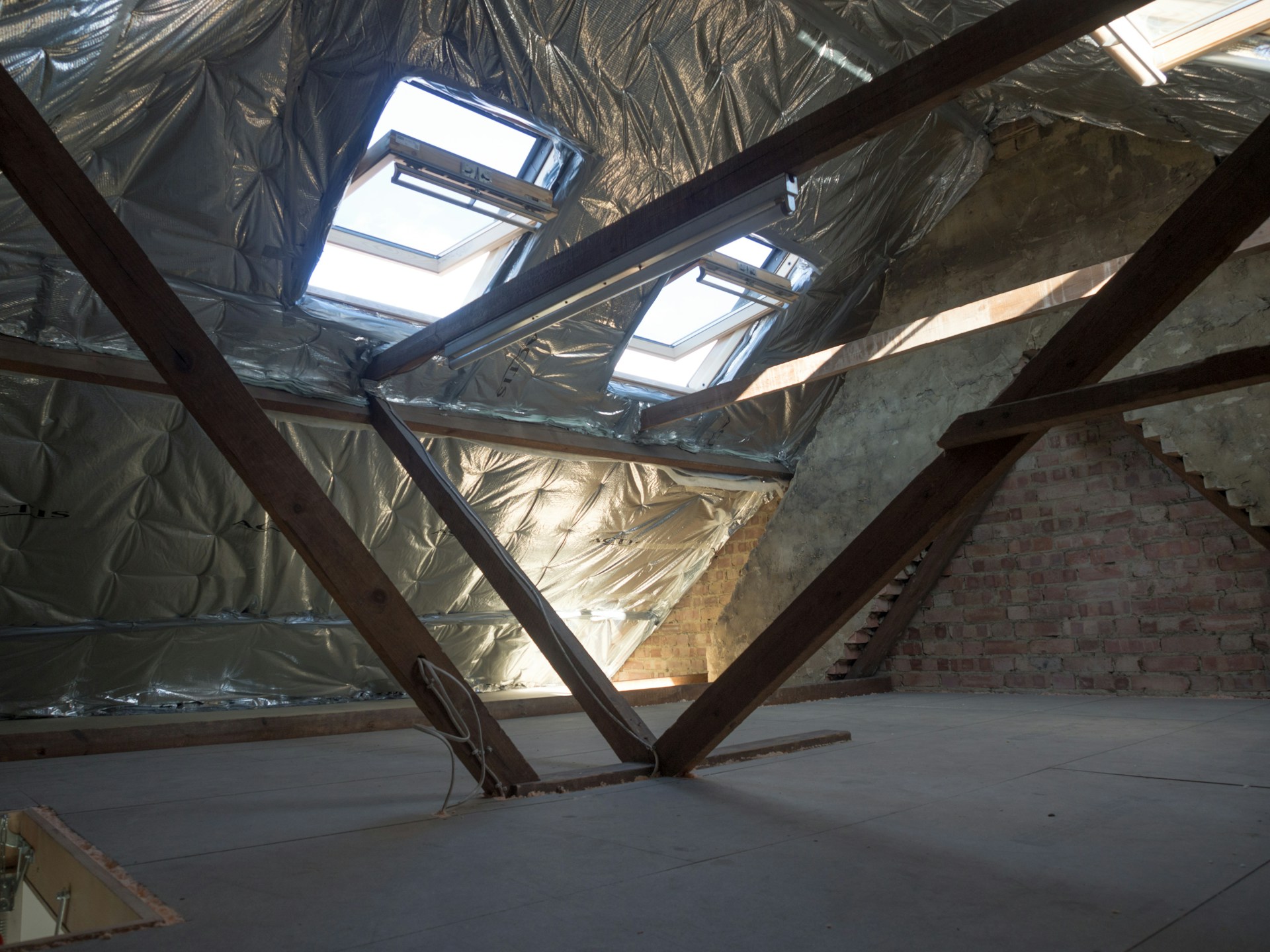
An inspection confirms whether complete replacement is necessary or whether repairs can extend the roof's service life. It also helps identify ventilation issues, damaged decking and other work to include.
g. After Roofing Work
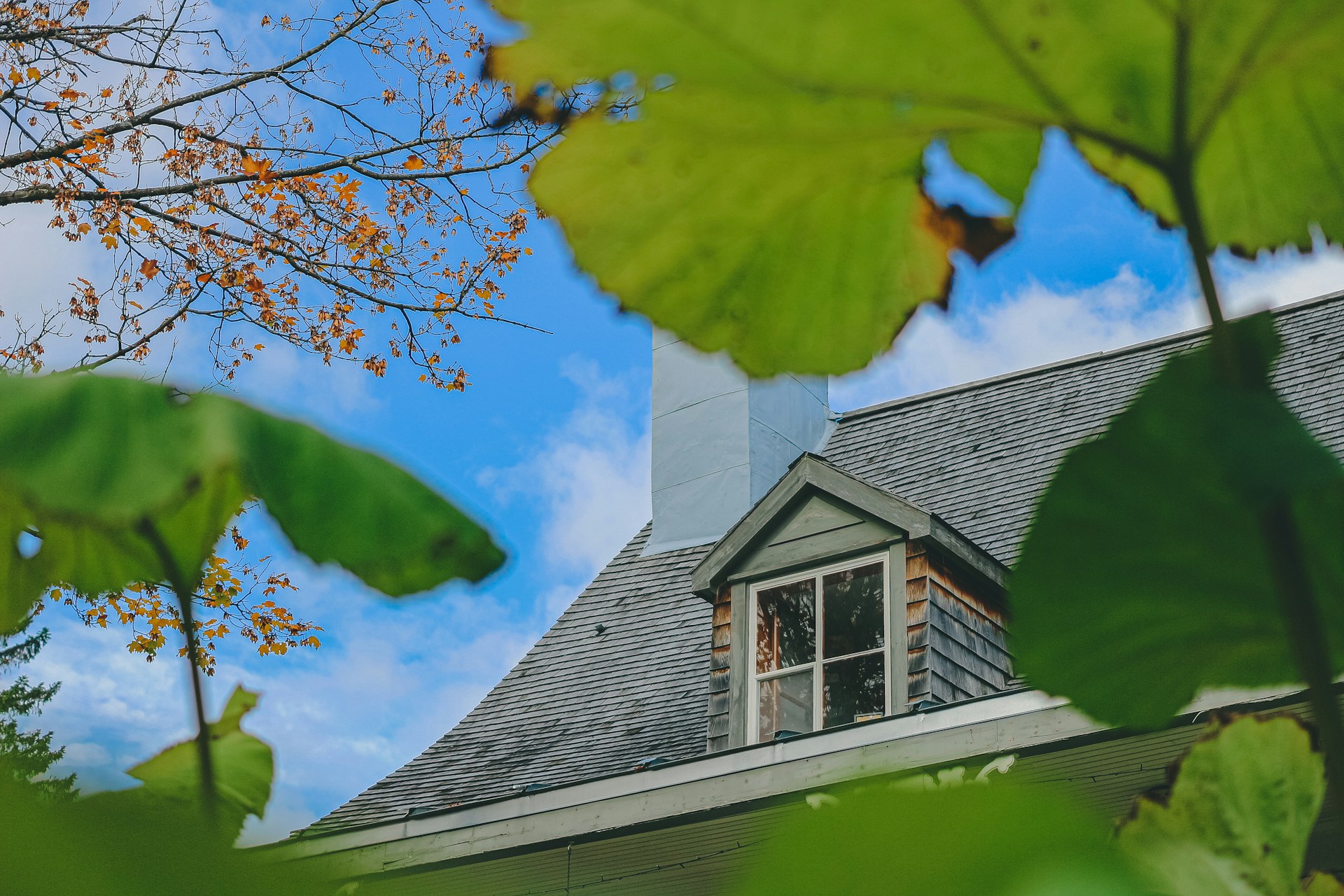
A final inspection confirms that the agreed repairs or installation have been completed. It should cover flashing, roof edges, penetrations, ventilation, and cleanup.
h. As Part of Routine Maintenance
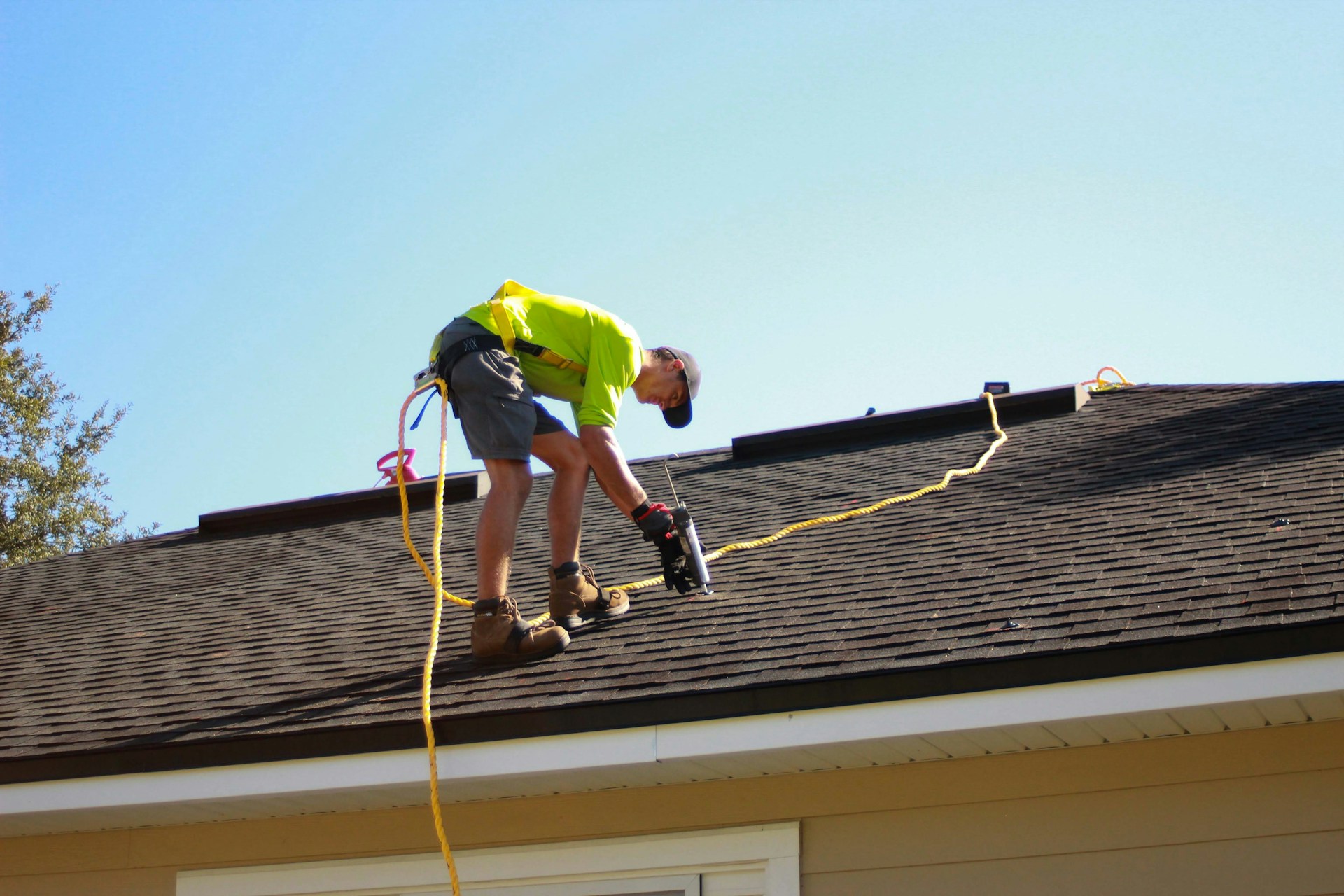
Regular inspections allow small defects to be corrected before they develop into leaks or widespread damage. The required frequency depends on the roof's age, material, condition, and exposure.

i. Before a Warranty Expires
Schedule an inspection before the material or workmanship warranty expires. This provides time to identify concerns and report eligible problems within the required period.
Customized Assessments
Types of Roof Inspections We Offer
Every roof and situation is different. The type of inspection you need will depend on your concerns and your property.
(i) Routine Maintenance Inspection
A routine inspection checks the roof's general condition and identifies minor wear before it leads to leaks. Especially useful for older roofs and properties exposed to severe weather.
(ii) Leak Investigation
A leak investigation focuses on finding where water is entering the roofing system. Our specialists inspect likely entry points and trace moisture, as the interior stain may not be directly below the source.
(iii) Storm-Damage Inspection
After hail or strong winds, we check for cracked, bruised, lifted, or missing shingles. We also examine flashing, vents, gutters, and other exposed components for storm damage.
(iv) Pre-Purchase Inspection
A pre-purchase inspection helps buyers understand the roof's current condition, likely repair needs, and whether replacement may be required soon.
(v) Pre-Sale Inspection
Property owners can schedule an inspection before listing. Identifying and correcting roofing problems early can reduce unexpected concerns during the buyer's inspection.
(vi) Insurance-Related Inspection
Following a storm or other covered event, an inspection can document visible roof damage and provide information for the insurance process.
(vii) Commercial Roof Inspection
Commercial inspections may cover flat or low-slope membranes, seams, flashing, drains, rooftop equipment, and areas of standing water.
(viii) Roof Replacement Assessment
A replacement assessment determines whether the roof can be repaired or has reached the point where replacement is more practical.
Thorough Methodology
What Our Roof Inspection in Minneapolis Covers
A thorough roof inspection means more than glancing at your shingles. Here is what we look for when we inspect your roof.
Shingles or Roof Membrane
We check shingles for missing pieces, cracks, curling, granule loss, loose tabs, and other signs of deterioration. On flat or low-slope roofs, we examine the membrane for punctures, open seams, blistering, and surface damage.
Ridge Caps
Ridge and hip caps are checked for cracking, looseness, missing sections, and wind damage. We also examine any ventilation installed along the ridge.
Roof Vents
Vents are checked for cracks, loose fasteners, damaged covers, and failed seals. We also look for signs that ventilation openings are blocked or inadequate.
Fascia and Soffits
We inspect visible fascia and soffits for staining, rot, openings, and moisture damage that may indicate leaking gutters, poor ventilation, or roof-edge damage.
Flashing
Flashing is inspected for corrosion, movement, gaps, and failed seals. Damaged flashing commonly causes leaks around walls, valleys, and roof penetrations.
Chimneys
The roofing around chimneys is inspected for damaged flashing, deteriorated sealant, and gaps where water may enter. Visible chimney defects that require another specialist may also be noted.
Pipe Boots
Pipe boots can crack or separate as they age. We inspect the rubber seals, metal bases, and surrounding shingles for openings that may allow water to enter the roof.
Roof Penetrations
Antennas, pipes, mechanical equipment, and other roof penetrations are checked for secure flashing and watertight seals.
Valleys
Roof valleys carry large amounts of water toward the gutters. We look for worn materials, debris, open seams, and damage that could interfere with drainage.
Skylights
We inspect the flashing, seals, and surrounding roofing materials for signs of leakage or deterioration. Interior moisture around a skylight may result from failed flashing or condensation.
Gutters and Drainage
Gutters, downspouts, drains, and scuppers are checked for blockages, damage, and poor drainage. Standing water or overflowing gutters can damage the roof edge.
Visible Roof Decking
Where the roof deck is visible from the attic or exposed areas, we check for stains, rot, sagging, and moisture damage.
Know the Condition of Your Roof
Roof problems are not always visible from the ground. A professional inspection can uncover damaged materials, worn flashing, moisture, and other concerns before they become more serious. Call Minneapolis Roofing Company at (888) 657-0348 to schedule your roof inspection.
Risk Mitigation
What Can a Roof Inspection in Minneapolis Prevent?
A professional roof inspection can identify problems before they become expensive repairs. For Minneapolis homeowners, regular inspections are particularly useful because roofs experience snow, ice, heavy rain, wind, and repeated temperature changes throughout the year.
Small Leaks Becoming Major Water Damage
A minor roofing defect may allow water to enter gradually without producing an obvious ceiling stain. Over time, moisture can spread through roofing materials and other parts of the home. Identifying damaged shingles, flashing, and seals early can help prevent a small leak from developing into more extensive water damage.
Structural Deterioration
Long-term moisture exposure and unresolved roof problems can contribute to deterioration around vulnerable areas of the roofing structure.
Rotting Roof Decking
Persistent moisture can affect the wood decking beneath the roofing materials. If deterioration is allowed to continue, sections of the decking may eventually need replacement.
Premature Roof Replacement
Not every roofing problem requires a complete replacement. An inspection can help determine whether a roof needs maintenance, localized repairs, or more extensive work.
Insulation and Attic Moisture Problems
Roof problems do not always appear on the exterior. Moisture entering the attic can affect insulation and contribute to condensation, dampness, and other problems.
Unexpected Repair Expenses
Regular inspections can make roofing problems easier to identify and plan for, instead of discovering extensive damage after a leak or during an emergency.
Investment and Scope
How Much Does a Roof Inspection in Minneapolis Cost?
Roof inspection costs vary depending on the property and the type of inspection required. Factors such as roof size, design, accessibility, and the reason for the inspection can all affect the amount of work involved.
Factors That Affect Inspection Cost
The size and complexity of the roof are important considerations. A larger roof with multiple sections, steep slopes, valleys, dormers, skylights, or other features may require more time to inspect than a simple roof.
Residential vs. Commercial Roof Inspections
Residential and commercial inspections can have different requirements. Commercial roofs may be larger and may involve flat or low-slope roofing systems, rooftop equipment, drainage systems, and other features that require additional attention.
Additional Diagnostic Services
In some situations, a visual inspection may not provide enough information to determine the source or extent of a problem. Additional diagnostic services may be recommended when investigating difficult-to-locate leaks or suspected moisture intrusion.
What Is Included in an Inspection Fee?
The scope of an inspection should be clear before the appointment. Depending on the service selected, the inspection may include an assessment of visible roofing materials, flashing, roof penetrations, drainage components, and other accessible areas of the roofing system.
If you are concerned about the condition of your roof, scheduling an inspection can provide useful information before a minor issue develops into a larger and more costly problem. Contact Minneapolis Roofing Company at (888) 657-0348 to discuss your concerns and schedule a professional roof inspection.
Clear Step-by-Step
Our Roof Inspection Process in Minneapolis
Minneapolis Roofing Company follows a clear inspection process to assess the roof, explain any problems, and recommend the appropriate next step.
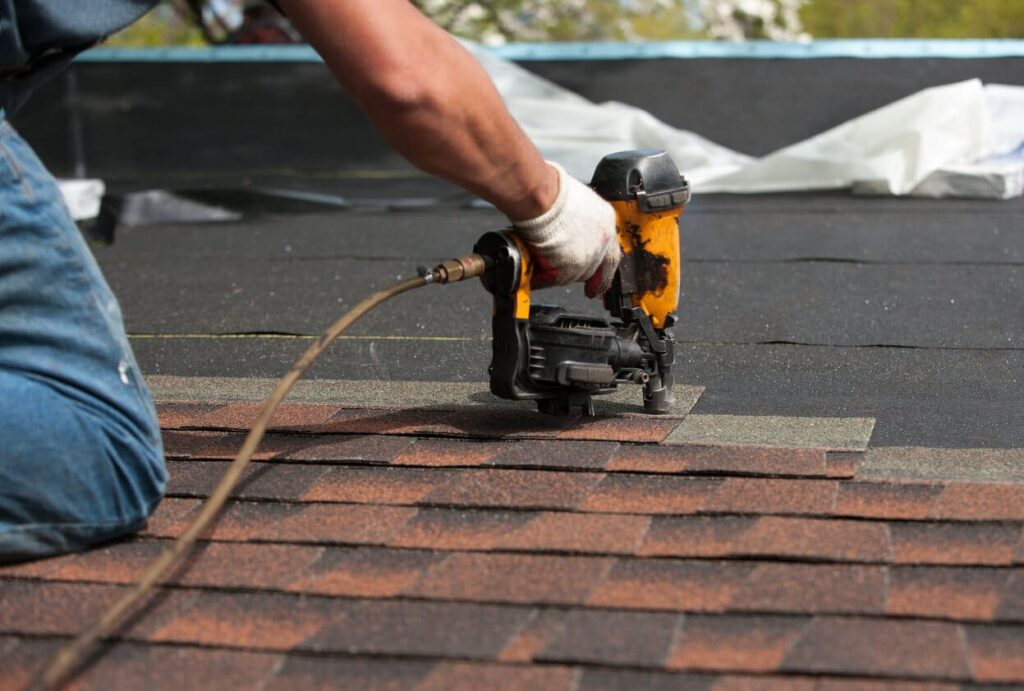
What to Expect During Your Inspection
Our inspectors arrive on time, walk you through their concerns before climbing the roof, and explain every finding clearly afterward. No technical jargon — just an honest assessment of what we found and what it means.
Stage 01: Discuss Your Concerns
We begin by asking what you have noticed, such as leaks, missing shingles, ice dams, storm damage, or unusual attic moisture.
Stage 02: Review the Roof's History
Information about the roof’s age, material, previous repairs, and recent storms helps guide the inspection. Warranty documents may also be useful.
Stage 03: Exterior Assessment
We inspect the visible roofing materials, flashing, valleys, ridge caps, vents, chimneys, skylights, roof edges, and drainage components.
Stage 04: Interior Assessment
Where necessary and accessible, we inspect the attic for water stains, damp insulation, condensation, ventilation problems, and visible decking damage.
Stage 05: Photographs and Documentation
Photographs may be taken to document visible damage and help explain the findings. Useful for maintenance planning, property transactions, and insurance discussions.
Stage 06: Explanation of Findings
After the inspection, we explain what was found, how serious the problem is, and whether it requires immediate attention.
Stage 07: Recommendations
The roof may need minor maintenance, a localized repair, continued monitoring, or complete replacement. We base our recommendation on actual condition.
Stage 08: Written Report
If a written report is included in the selected inspection service, it may contain observations, photographs, and recommended next steps.
Actionable Findings
What Happens After a Roof Inspection?
The next step depends on the roof’s condition and the urgency of the findings.
No Action Required
If the roof is in good condition, no immediate work may be necessary. We may provide routine maintenance advice and suggest when it should be inspected again.
Minor Maintenance
Small tasks such as sealing a minor gap, clearing debris, or securing a loose component may help prevent future damage.
Localized Repair
Isolated damage to shingles, flashing, vents, or pipe boots may be corrected without replacing the entire roof.
Specialist Assessment
Structural damage, extensive mold, chimney problems, or electrical concerns may require evaluation by an appropriate qualified professional.
Roof Replacement
Replacement may be recommended when the roof has widespread damage, repeated leaks, advanced age, or significant decking deterioration.
Continued Monitoring
Some wear does not require immediate repair. The affected area may be photographed and monitored for changes during future inspections.
Emergency Protection
Openings, active leaks, and major storm damage may require temporary covering to prevent further water intrusion until permanent work can be completed.
Schedule an Inspection After Severe Weather
Hail, strong winds, and heavy snow can damage a roof without causing an immediate leak. Minneapolis Roofing Company will examine the roofing materials and vulnerable components, document visible damage, and explain what action may be needed. Call (888) 657-0348 to request a storm-damage inspection.
Crucial Differences
Roof Inspection Versus Home Inspection
A home inspection and a dedicated roof inspection serve different purposes. Understanding the difference can help you determine whether a separate roofing assessment is needed.
General Home Inspection
A home inspector evaluates many parts of the property, including the structure, plumbing, electrical system, heating, cooling, and roof. The roofing portion is only one part of the complete inspection.
Dedicated Roofing Assessment
A roof inspection focuses specifically on the roofing system. It examines the materials, flashing, penetrations, ventilation, drainage, and visible signs of moisture or deterioration.
When a Roof Inspection Is Beneficial
A dedicated inspection may be useful when the roof is old, has visible damage, has a history of leaks, or was recently exposed to severe weather. Also useful before buying, selling, repairing, or replacing.
Why Roofing Expertise Matters
Roofing problems can be difficult to diagnose because water may travel beneath materials before becoming visible indoors. Roofing experience helps distinguish a minor repair from widespread system failure.

Inspection Schedule
How Often Should a Roof Be Inspected?
The appropriate inspection schedule depends on the roof’s age, material, condition, and exposure to severe weather. For many properties, an annual inspection provides a practical starting point.
Routine Inspections
A yearly inspection can identify minor damage, drainage problems, and material deterioration before they cause leaks. Commercial and flat roofs may require different schedules.
After Nearby Construction
Construction activity can send debris onto the roof or result in accidental damage. An inspection may be useful after work involving chimneys, antennas, solar panels, or rooftop equipment.
Older Roofs
An aging roof may need more frequent inspections, particularly if it has a history of repairs or is approaching the end of its expected service life.
Before and After Harsh Seasons
An inspection before winter can identify loose materials, drainage problems, and vulnerable flashing. A spring inspection can reveal damage caused by snow, ice, and freeze-thaw cycles.
After Major Storms
Schedule an inspection after significant hail, strong winds, falling branches, or other events that may have damaged the roof.
Warranty Requirements
Some manufacturers and contractors require inspections or maintenance to preserve warranty coverage. Review the warranty documents and follow the stated schedule.
If you are unsure when your roof was last inspected, call Minneapolis Roofing Company at (888) 657-0348 to arrange an assessment.
Long-Term Value
Benefits of Regular Roof Inspections
Regular roof inspections help protect your property by identifying damage before it develops into a larger problem.
Earlier Detection
Inspections can reveal loose shingles, damaged flashing, open seams, and drainage problems before they cause visible interior damage.
Reduced Leak Risk
Checking vulnerable areas such as valleys, flashing, vents, and roof penetrations reduces the chance of small openings developing into serious leaks.
Lower Repair Costs
A small defect is usually less expensive to correct than widespread moisture damage. Early repairs can prevent damage to the roof deck, insulation, ceilings, and walls.
Useful Documentation
Photographs and inspection records provide a history of the roof's condition, maintenance, and repairs — useful for warranty requests and property transactions.
Longer Roof Life
Routine inspections and timely maintenance reduce unnecessary deterioration and can help the roofing system reach its expected service life.
Better Replacement Planning
Regular inspections provide a clearer picture of how the roof is aging. Property owners can plan and budget for replacement instead of waiting for an unexpected failure.
Better Maintenance Planning
Inspection findings help property owners decide which work requires immediate attention and which tasks can be scheduled for later.
Guides & Resources
Roof Inspection Guides and Checklists
What inspectors look for, seasonal checklists for Minnesota homes, and what a roof inspection costs.
New guides in this series are published every week. Check back soon, or call (888) 657-0348 with any question about your roof.
Common Questions
Frequently Asked Questions
Common questions about roof inspections for Minneapolis homes and buildings.
How often should I have my roof inspected in Minneapolis?
Once a year is a good baseline, ideally in spring after snow and ice have melted or in fall before winter. Schedule an extra inspection after a hailstorm, high winds or a winter with heavy ice dams.
How long does a roof inspection take?
Most residential inspections take about 45 minutes to an hour and a half, depending on the roof’s size, pitch and whether the attic is accessible. Commercial roofs take longer.
Do I need to be home for the inspection?
It helps but is not always required for the exterior. If the inspection includes the attic or interior ceilings, someone will need to provide access.
Can a roof be inspected in winter?
Yes, although snow cover can hide shingles and flashing. Winter inspections focus on what can be seen safely, such as ice dams, attic moisture and interior leaks. A full surface inspection is easier once the snow is gone.
Will an inspection help with an insurance claim?
A documented inspection with photos and notes on storm damage can support a claim after hail or wind. Your insurer makes the final decision on coverage.
What do I get after the inspection?
You receive an explanation of what was found, photos of problem areas, and recommendations sorted into what needs attention now and what can be monitored, along with an estimate if repairs are needed.
Schedule a Roof Inspection in Minneapolis
Do not wait for a roof problem to cause visible damage inside your property. Minneapolis Roofing Company provides professional roof inspections for homeowners, buyers, sellers, businesses and property managers. Call (888) 657-0348 to schedule a roof inspection, storm-damage assessment or routine maintenance inspection.