
Minneapolis Roof Snow Removal
A big Minneapolis winter can leave a lot of weight sitting on your roof for weeks. Our Minneapolis roof snow removal service clears that snow carefully, from the ground or from the roof with proper equipment, so your shingles, flashing and gutters come through the season in one piece.
Most homes in the Twin Cities handle normal snowfall without trouble. The problems start when snow stacks up storm after storm, drifts against a wall or dormer, turns heavy and wet in a thaw, or feeds an ice dam along the eaves. That is when it pays to get the snow off before it becomes a leak or a structural worry.
If you are not sure whether your roof needs clearing, call Minneapolis Roofing Company at (888) 657-0348. We can talk through what you are seeing and set up a free estimate.
Snow load basics
When Snow on Your Roof Becomes a Real Concern
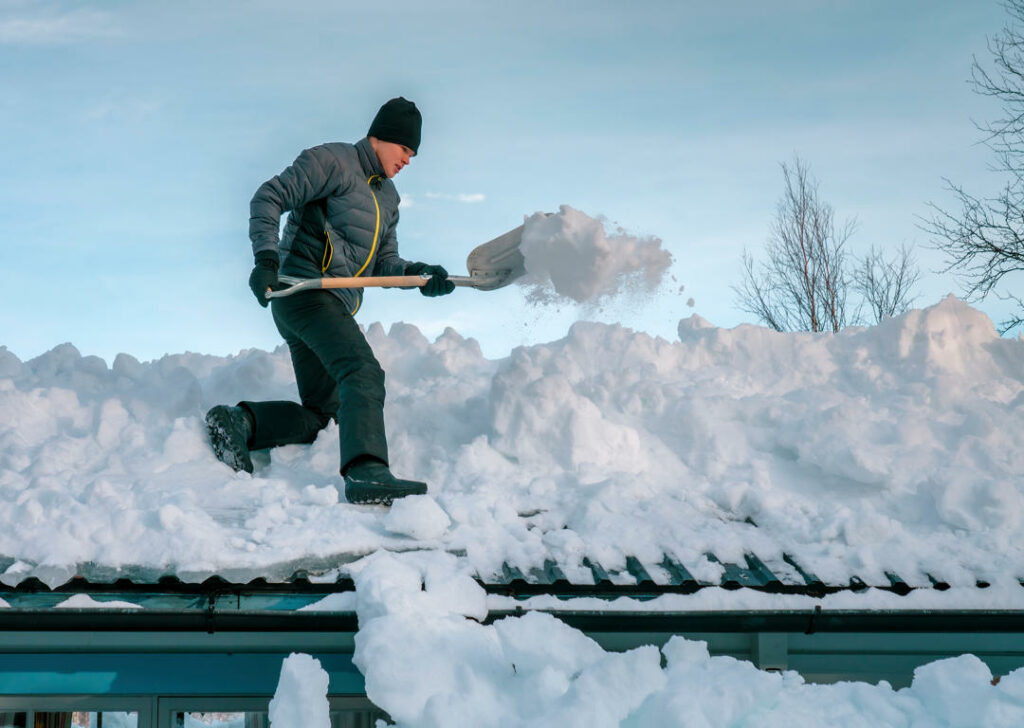
Roofs in Minnesota are designed to carry snow. The state building code sets a ground snow load of 50 pounds per square foot for Hennepin County and most of the state, and 60 pounds per square foot in a group of northern counties. University of Minnesota Extension notes that residential roofs in southern Minnesota are designed for about 35 pounds per square foot of roof snow load.
Depth alone does not tell you the weight. Extension gives an example where a roof designed for 20 pounds per square foot could hold about four feet of dry snow but only about two feet of wet, heavy snow and ice. In other words, the same depth can weigh roughly twice as much after rain or a thaw.
Situations that call for a closer look
- Several storms in a row with no melting in between
- Rain or a warm spell on top of deep snow, followed by a hard freeze
- Drifts piled against a taller wall, dormer, chimney or neighboring building
- Snow sliding from an upper roof onto a lower roof, porch or garage
- Low-slope and flat roofs, where snow does not shed on its own
- Older homes and garages with a history of sagging, past repairs or unknown framing
A roof built to current code and in good condition is rarely at risk from an ordinary winter. Older structures, additions and outbuildings deserve more attention, especially when drifts form.
Warning signs
Signs Your Roof May Be Overloaded
Structural trouble from snow usually gives some warning first. University of Minnesota Extension points to a roofline that is no longer straight, bulging walls, and damage to ceilings, walls or exposed trusses. Other changes worth taking seriously include:
- A visible sag in the ridge or between rafters
- New cracks in interior walls or ceilings, especially on the top floor
- Doors or windows on upper floors that suddenly stick
- Unusual creaking or popping from the attic or roof framing
- Bent or cracked trusses or rafters, if you can see them safely from the attic
If you see these signs, do not go up on the roof. Extension specifically advises against climbing onto a roof or staying in a building that shows signs of overload while the snow is still on it. Move people out of the affected area and get help.
Signs like these move the job from routine snow removal to an urgent call. Our emergency roof repair page covers what to do while you wait for help.
Ice dams
How Snow Leads to Ice Dams
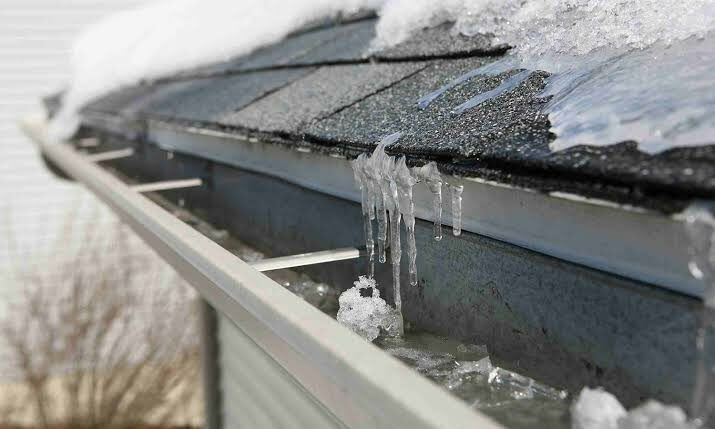
Ice dams are one of the most common winter roof problems in Minneapolis. They form when heat from the house warms the upper part of the roof above 32°F while the eaves stay below freezing. Snow melts higher up, runs down under the snow and refreezes at the cold edge, building a ridge of ice.
Water then pools behind that ridge. It can work its way under shingles and into the attic, walls and ceilings. University of Minnesota Extension points out that the wet insulation and framing can lead to mold and mildew if they are not dried quickly.
Why snow removal helps
An ice dam needs snow to feed it. Taking snow off the roof, especially the lower several feet above the eaves, cuts off much of the meltwater. Raking only the first few feet can sometimes push the dam farther up the roof, so on problem roofs a fuller clearing works better.
Signs of an ice dam
- A thick ridge of ice along the gutters or roof edge
- Large icicles, especially with water dripping behind them
- Water stains or drips on ceilings or exterior walls near the eaves
- Ice forming on the inside of soffits or under the roof edge
Heavy snow or ice dams on your roof?
Stay off the ladder and let a trained crew clear it safely. Call Minneapolis Roofing Company at (888) 657-0348 to request a free estimate.
Pro removal vs raking
Professional Minneapolis Roof Snow Removal vs Roof Raking
A long-handled roof rake used from the ground is a reasonable tool for many homeowners. It works best on single-story sections and the lower edge of the roof, and it keeps you on solid footing. Extension’s advice is to use roof rakes or similar tools from the ground when possible and to watch carefully for overhead power lines, since metal rake poles conduct electricity.
Please do not climb onto a snowy or icy roof. Winter roofs are slippery, edges are hidden under snow, and falls cause serious injuries every year. University of Minnesota Extension recommends hiring professionals for work on the roof in winter.
When to call a professional
- Two-story homes or steep roofs you cannot reach safely from the ground
- Heavy, compacted or icy snow that will not come off with a rake
- Active ice dams or interior leaks
- Flat or low-slope roofs on homes, garages and commercial buildings
- Any roof showing signs of sagging or structural stress
A professional crew uses fall protection, plastic or non-metal tools, and a plan for where the snow goes so it does not land on walkways, cars, meters or landscaping.
Ice dam removal
Steaming Ice Dams vs Chipping Them
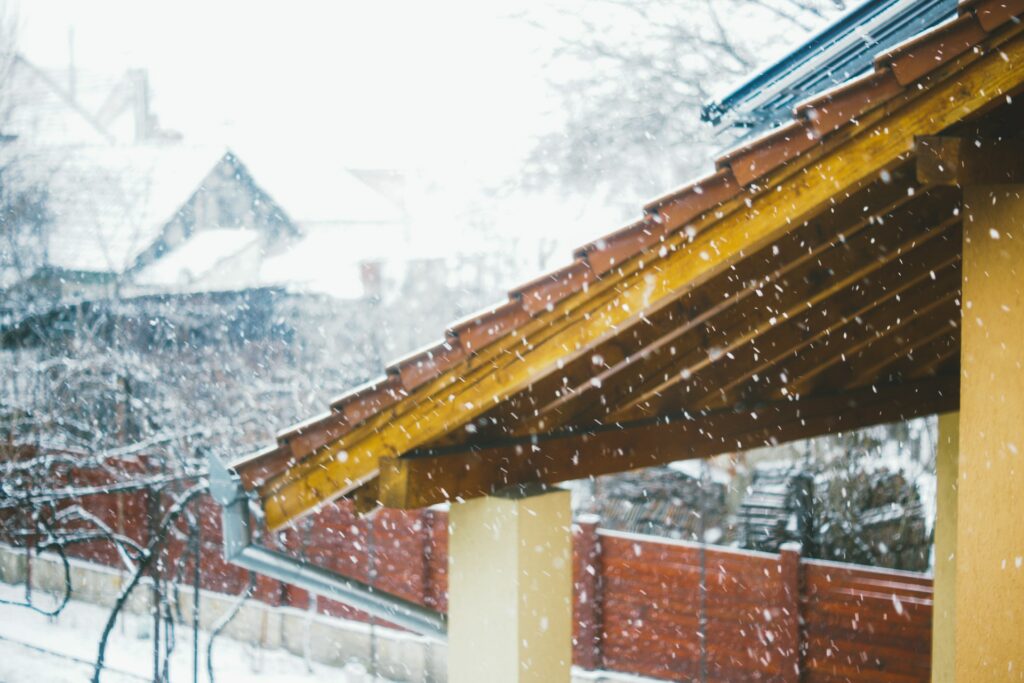
Once an ice dam has formed, the method used to remove it matters as much as getting it done. The goal is to open a path for trapped water without tearing up the roof underneath.
Low-pressure steam
Low-pressure steam melts through ice gradually and lets the meltwater drain away. Home inspection firm Structure Tech, based in the Twin Cities, describes hiring a company that uses steam as the most effective and safe way to remove an ice dam. Steam is different from a hot pressure washer, which can damage shingles and should be kept off the roof.
Chipping, hammers and axes
Hacking at an ice dam is fast but risky. University of Minnesota Extension warns against excessive scraping or chipping, which can damage the roof and cause leaks, and its older ice dam guidance tells homeowners never to chop through the ice down to the shingles. Shingles are brittle in the cold, and one missed swing can split them or punch through.
Quick fixes to treat with care
- Ice-melt products in socks or tubes can open a channel slowly, but salt can harm gutters and plants below.
- Heat cables melt only a narrow strip and are not a substitute for fixing the cause.
- Never use an open flame or torch on a roof.
Any of these measures is temporary. Extension notes that channels through an ice dam stop working within days, so the long-term fix is reducing heat loss into the attic.
Flat and commercial roofs
Snow Removal for Flat and Commercial Roofs
Flat and low-slope roofs on Minneapolis businesses, apartment buildings, warehouses and garages hold snow in place instead of shedding it. Snow tends to drift against parapet walls, rooftop units, penthouses and higher sections of the building. Extension notes that roofs with a pitch of 3/12 or less, valleys and areas next to taller structures are where snow builds up most.
Membrane roofs can be punctured by shovels and sharp tools. Clearing a flat roof the right way usually means:
- Leaving a thin protective layer of snow over the membrane instead of scraping to the surface
- Removing drifts first and working evenly, so one area is not left heavily loaded while another is bare
- Keeping drains, scuppers and gutters clear so meltwater can leave the roof
- Watching for hidden skylights, vents and roof hatches under the snow
If you manage a commercial property, ask whether the building’s design snow load is on file. Extension notes that building permit plans in Minnesota may be available from the local building inspection office, and a structural engineer can evaluate a roof if they are not. Learn more about the systems we work on in our flat roofing in Minneapolis section.
Protecting the roof
How We Avoid Damage While Removing Snow
Snow removal should never leave you with a new repair bill. A careful job protects the roof, the gutters and everything below.
- Leave a buffer. A thin layer of snow stays on the shingles or membrane so tools never scrape the surface.
- Use the right tools. Plastic or rubber-edged shovels and rakes, not metal blades or ice picks.
- Work from safe positions. Ground-based tools where possible, with fall protection when crews must be on the roof.
- Mind the edges. Gutters, drip edge, vents and flashing are easy to bend under snow.
- Control the drop zone. Snow and ice are moved away from doors, walkways, cars, meters and shrubs.
If we spot torn shingles, lifted flashing or soft decking while clearing snow, we will point it out so you can plan a roof repair in Minneapolis once the weather allows.
Prevention
Preventing Snow and Ice Problems Next Winter
Snow removal handles this winter. Fixing the reason ice dams form handles the winters after it. University of Minnesota Extension says heat escaping from the house is the main cause of ice dams, and that air leakage is the biggest source of that heat in many homes.
What actually helps
- Air seal the attic floor first. Seal gaps around light fixtures, plumbing stacks, chimneys, attic hatches and wiring holes so warm air stays in the living space.
- Add insulation. Bring attic insulation up to current code levels once air leaks are sealed.
- Check heat sources in the attic. Leaky ductwork, bath fans that vent into the attic and poorly sealed chimneys all warm the roof deck.
- Keep natural ventilation working. Soffit and ridge vents help keep the roof deck cold, but Extension notes that powered attic fans are not recommended in Minnesota because they can pull warm air out of the house.
- Use ice and water barrier at the eaves. When a roof is replaced, a self-adhering membrane along the lower edge adds protection against water backing up.
A roof inspection in Minneapolis in late summer or fall is a good time to check flashing, gutters, vents and the attic before snow arrives. Extension also suggests a weatherization contractor, who may use a blower door test or infrared camera to find where heat is escaping.
Guides & Resources
Roof Snow, Ice Dam and Winter Roof Guides
How to handle heavy roof snow, prevent ice dams, deal with winter leaks and stop attic frost in a Minnesota winter.
Common Questions
Frequently Asked Questions
Answers to common questions about roof snow removal in Minneapolis.
How much snow can a Minneapolis roof hold?
Minnesota’s building code sets a ground snow load of 50 pounds per square foot for Hennepin County, and University of Minnesota Extension notes residential roofs in southern Minnesota are designed for about 35 pounds per square foot of roof load. Wet snow and ice weigh far more than fresh powder, so depth alone is not a reliable guide.
Should I get on my roof to shovel snow?
No. Snowy and icy roofs are extremely slippery, and falls cause serious injuries. Use a roof rake from the ground for reachable areas and hire a professional crew for anything else.
Does removing snow prevent ice dams?
It helps a great deal because ice dams need melting snow to grow. The long-term fix is air sealing and insulating the attic so heat does not melt the snow in the first place.
Is steaming better than chipping an ice dam?
Low-pressure steam melts ice without striking the shingles, so it is much gentler on the roof. Chipping with hammers or axes can crack shingles and cause leaks, which is why University of Minnesota Extension advises against it.
Do you clear snow from flat commercial roofs?
Yes. We clear flat and low-slope roofs on businesses, apartment buildings and garages, leaving a protective layer over the membrane and keeping drains open.
What should I do if my ceiling is leaking from an ice dam?
Catch the water, move belongings away, and photograph the damage. Then call us to clear the snow and open a drainage path, and contact your insurer if the damage is significant.
When is the best time to schedule roof snow removal?
Ideally after a large storm and before a thaw or rain adds weight and starts ice dams. Waiting until a leak appears usually means more damage to repair.
Get Your Roof Cleared Before the Next Storm
Whether it is a two-story home with ice dams or a flat commercial roof under drifts, Minneapolis Roofing Company can help. Call (888) 657-0348 or request a free estimate today.