Metal Minneapolis Roofing Company: Installation, Repair, and Options
Metal roofing in Minneapolis has moved well beyond barns and warehouses. More homeowners and building owners are choosing steel and aluminum roofs because they shed snow, last for decades, and hold up to the freeze-thaw cycles that wear down other materials.
Our metal roofing Minneapolis services help homeowners and building owners across the city choose, install, and repair steel and aluminum roofs. This page explains the main systems, how metal handles Minnesota snow and hail, and how it compares with asphalt shingles, so you can decide whether it fits your building and budget.
If you already know you want a quote, call (888) 657-0348 to request a free estimate.
Is Metal Right for You
Metal Roofing Minneapolis, MN: Who It Suits Best
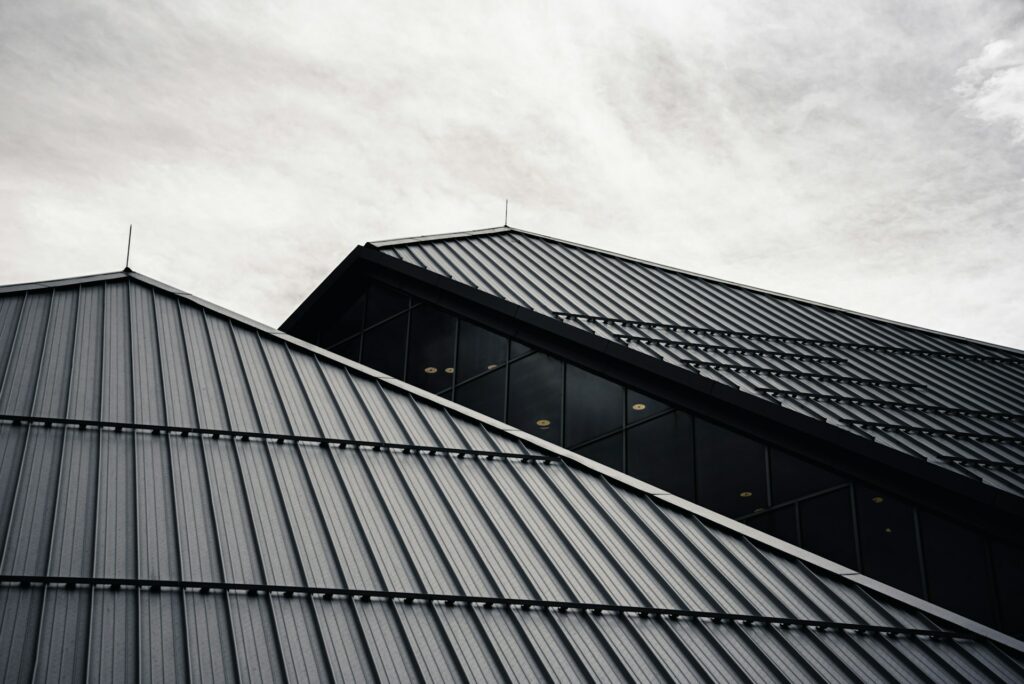
Metal makes the most sense for owners who plan to stay in a building for a long time. Industry cost guides put metal roof lifespans at roughly 30 to 80 years or more when installed and maintained correctly, compared with about 15 to 30 years for asphalt shingles.
It also suits roofs that collect heavy snow, buildings with simple roof shapes, and owners who want fewer replacement cycles. A metal roof is a bigger upfront investment, so the long service life is what makes the numbers work.
When another material may fit better
Very complex roofs with many valleys, dormers, and penetrations take more custom flashing work, which raises the price of metal. If you expect to sell within a few years, a quality shingle roof may give a better return on the money spent. Our roof installation services page covers shingle and other options, or start with our Minneapolis roofing company overview.
Panel Systems
Standing Seam vs. Exposed-Fastener Metal Roofs
Most metal roofs in the Twin Cities fall into two families. The difference is how the panels are attached, and that affects leaks, maintenance, and price.
Standing seam
Standing seam panels are held down by concealed clips under raised seams, so screws do not pierce the visible panel. Because the clips let panels expand and contract with temperature swings, the system handles Minnesota’s hot summers and subzero winters without stressing the fasteners. Fewer holes through the metal also means fewer potential leak points.
Exposed-fastener (through-fastened)
Exposed-fastener panels, sometimes called corrugated or ribbed panels, are screwed straight through the metal into the deck or framing. They cost less and install faster, which is why they are common on garages, outbuildings, and some commercial buildings. The trade-off is upkeep: the screws and their rubber washers need periodic checks, and panel laps should be inspected after hard winters.
Typical installed price ranges
- Standing seam: about $9 to $16 per square foot installed (national cost-guide range).
- Exposed-fastener: about $5 to $12 per square foot installed.
Local prices vary with roof size, pitch, panel gauge, and how much tear-off and deck repair is needed. For a broader look at budgets, see our Minneapolis roof replacement cost guide.
Material Choice
Steel vs. Aluminum Roofing
Most residential metal roofs in Minnesota are coated steel. Aluminum is the other common choice. Each has clear strengths.
Steel
- Harder than aluminum, so it resists denting from hail and foot traffic better.
- Generally costs less than aluminum.
- Relies on a metallic coating (such as galvanized or Galvalume) and paint to prevent rust, so cut edges and scratches should be protected.
Aluminum
- Naturally corrosion resistant, which is why it is popular near salt water.
- Much lighter: roughly 0.5 to 0.75 pounds per square foot, versus about 1.5 to 2.0 pounds for steel panels.
- Softer, so it dents more easily in a hailstorm.
For inland Minneapolis, where hail is a bigger threat than salt air, steel is usually the practical choice. Panel thickness matters too: most residential metal roofs use 24- or 26-gauge material, and the lower number is the thicker, stiffer panel.
Thinking About a Metal Roof?
We’ll look at your roof, explain standing seam and exposed-fastener options, and give you a clear written estimate. Call (888) 657-0348.
Winter Performance
Snow Shedding, Snow Guards, and Ice Dams
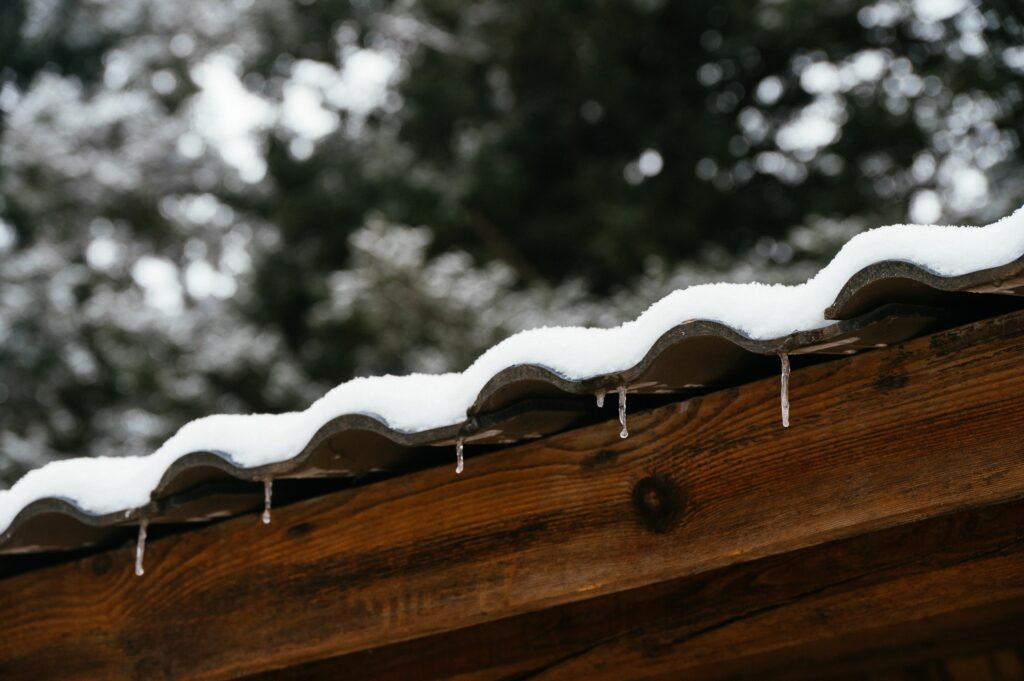
A smooth metal surface lets snow slide off instead of sitting on the roof for weeks. That reduces the weight the structure carries and gives meltwater less time to back up under the roof covering.
The same feature creates a hazard. Snow can release all at once and drop onto walkways, entries, decks, cars, gutters, or lower roofs. Metal roof manufacturers treat snow retention as a life-safety issue for that reason.
How snow guards work
Snow guards or snow-retention bars hold the snow pack in place so it melts and drains gradually. Manufacturer guidance recommends protecting the full eave line rather than only the area over a door, and larger roofs may need more than one row. We plan guard layout during installation, based on roof pitch, panel profile, and what sits below each eave.
Ice barrier still matters
Snow shedding does not replace good details at the eaves. The Minnesota Residential Code requires an ice barrier from the lowest roof edge to at least 24 inches inside the exterior wall line on homes, and a correctly installed metal roof includes it along with proper attic ventilation.
Storm Season
How Metal Roofs Handle Minnesota Hail
Hail season in southern Minnesota typically starts in late May, and Twin Cities storms can bring large stones through the summer. Metal is a strong performer, but it is not hail-proof.
Large hail can dent panels, scratch the paint, and in severe cases deform seams. Forensic engineers separate cosmetic dents, which change appearance but not weather-tightness, from functional damage, such as bent seams or scratches that expose bare metal and can lead to corrosion. That distinction often matters to insurance adjusters.
- Heavier gauges and steel panels resist denting better than thin or aluminum panels.
- Textured or ribbed profiles hide minor dimpling better than flat pans.
- After a storm, have seams, fasteners, and coatings checked, not just the surface.
If a storm has already hit, see our hail damage roof repair page for what to document before you file a claim.
Install & Repair
Metal Roof Installation and Repair in Minnesota
What a metal roof installation involves
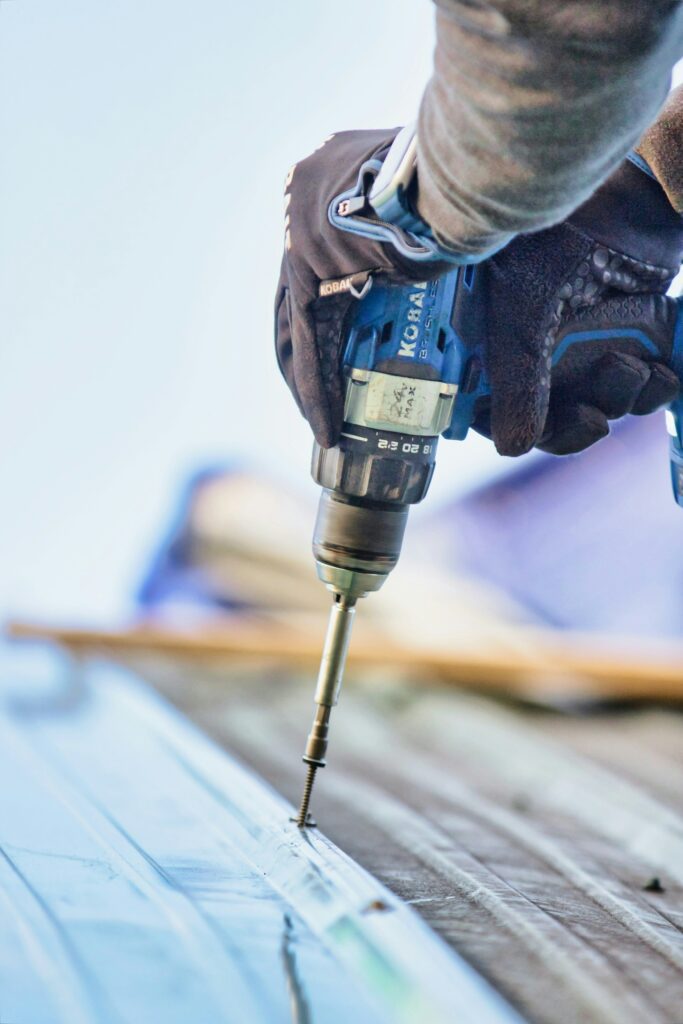
- Inspection and measuring: we check the deck, ventilation, and roof shape, then recommend a system and gauge.
- Tear-off and deck repair: removing old roofing lets damaged sheathing be found and replaced.
- Underlayment and ice barrier: ice barrier at the eaves and a high-temperature synthetic underlayment over the deck.
- Trim and panels: drip edge, eave and gable trim, then panels, with flashing at chimneys, walls, and vents.
- Ridge, vents, and snow guards: vented ridge where the design calls for it and snow retention where people or property sit below.
Common metal roof repairs
- Backed-out or loose screws and worn washers on exposed-fastener roofs.
- Failed sealant or flashing at chimneys, skylights, pipe boots, and wall transitions.
- Hail or impact damage to individual panels.
- Rust at scratches or cut edges, and leaks at panel laps.
- Snow guards torn loose by heavy slides.
Many leaks on metal roofs come from flashing and fasteners rather than the panels, so a targeted fix is often possible. If you need help now, our roof repair team handles metal, shingle, and flat roofs.
Homes & Businesses
Residential and Commercial Metal Roofing
Residential: standing seam has become a popular choice on houses, porches, and additions, and it pairs well with both older and modern homes. Exposed-fastener panels are common on detached garages and sheds.
Commercial and industrial: warehouses, shops, churches, and agricultural-style buildings around the Twin Cities often use metal on low-slope and pitched roofs. Commercial projects may involve structural standing seam over purlins, retrofit systems, or metal wall panels. Larger buildings with membrane roofs may be better served by our commercial roofing services.
Color matters less in Minnesota than in hot climates. Department of Energy guidance notes that reflective cool roofs can add a heating penalty in cold regions, so choose a color you like and a durable factory-baked finish rather than chasing maximum reflectivity.
Compare Materials
Metal vs. Asphalt Shingles: Pros and Cons
Advantages of metal
- Long service life, often two or more shingle lifespans.
- Sheds snow and resists wind when properly fastened.
- Fewer replacement cycles and less material sent to landfill over time.
Drawbacks of metal
- Higher upfront price than asphalt shingles.
- Needs snow guards above entries and walkways.
- Can show dents after severe hail.
- Requires installers experienced with metal trim and flashing.
The cost gap
National cost guides list architectural shingles at about $4 to $6 per square foot installed, against $9 to $16 for standing seam. Remodeling magazine’s 2025 Cost vs. Value data shows the same pattern: its sample metal re-roof costs noticeably more than its asphalt re-roof, and it recoups a smaller share of cost at resale. Metal earns its premium through longevity, not resale value. Compare both in detail in our roof replacement cost guide.
Guides & Resources
Metal Roofing Guides
Panel types, gauges, fasteners, installation details and how metal roofs handle Minnesota snow, hail and cold.
Common Questions
Frequently Asked Questions
Answers to common questions about metal roofing in Minneapolis.
How long does a metal roof last in Minnesota?
Cost guides put metal roof lifespans at roughly 30 to 80 years or more, depending on the metal, coating, panel system, and maintenance. Standing seam systems generally outlast exposed-fastener panels.
Do I need snow guards on a metal roof in Minneapolis?
Building codes generally do not require them, but they are strongly recommended anywhere sliding snow could fall on people, entries, decks, vehicles, gutters, or lower roofs. Manufacturers recommend covering the full eave line rather than just the area over a door.
Will hail ruin a metal roof?
Hail can dent metal, but many dents are cosmetic and do not affect weather-tightness. Severe hail can deform seams or scratch coatings down to bare metal, which does need repair, so have the roof inspected after a major storm.
Can a metal roof go over my existing shingles?
Sometimes, but it depends on the deck condition, local code, and the panel manufacturer’s requirements, and it may need added framing or underlayment. A full tear-off lets damaged decking be replaced and a proper ice barrier be installed at the eaves.
Is standing seam worth the extra cost over exposed-fastener panels?
For a home you plan to keep, usually yes. Concealed clips allow thermal movement and eliminate thousands of exposed screw holes, which means fewer leak points and less maintenance.
Is a metal roof noisy when it rains?
Over a solid wood deck with underlayment and an insulated attic, rain noise is usually modest. Open-framed buildings without a deck or insulation, like pole barns, are noticeably louder.
Do you repair metal roofs you didn't install?
Yes. We repair leaks, flashing, fasteners, and storm damage on existing metal roofs throughout Minneapolis. Call (888) 657-0348 to schedule a look.
Get a Free Metal Roofing Estimate
Whether you want a new standing seam roof or need a metal roof repaired, Minneapolis Roofing Company can help. Call (888) 657-0348 or request a free estimate, and we respond within 24–48 hours.