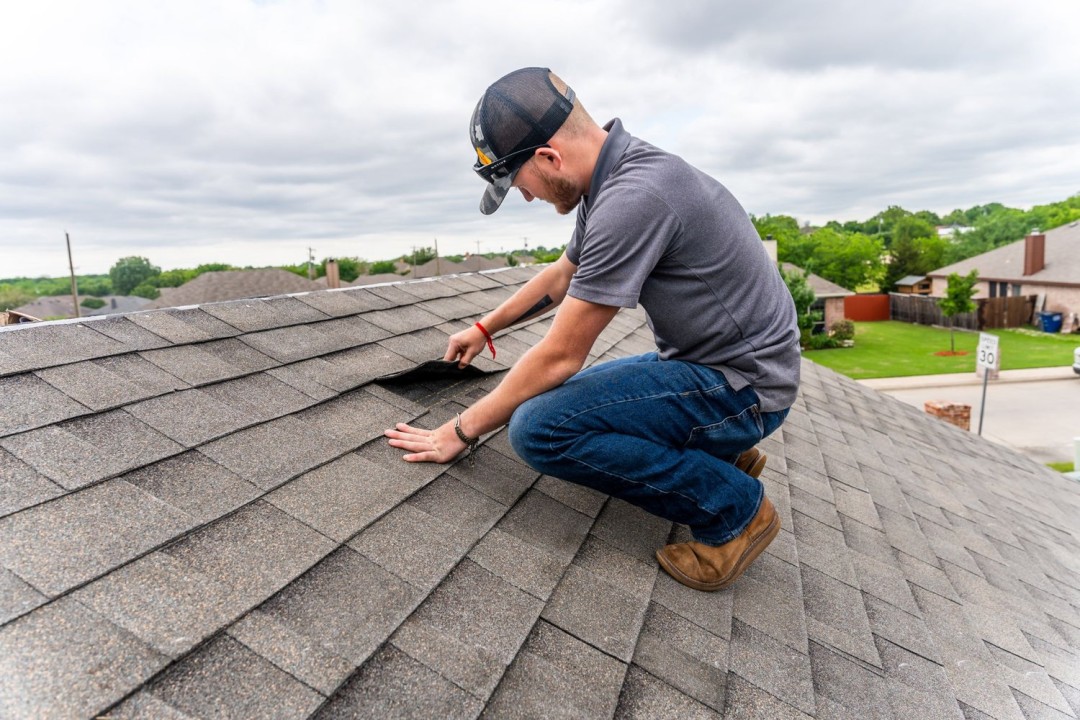
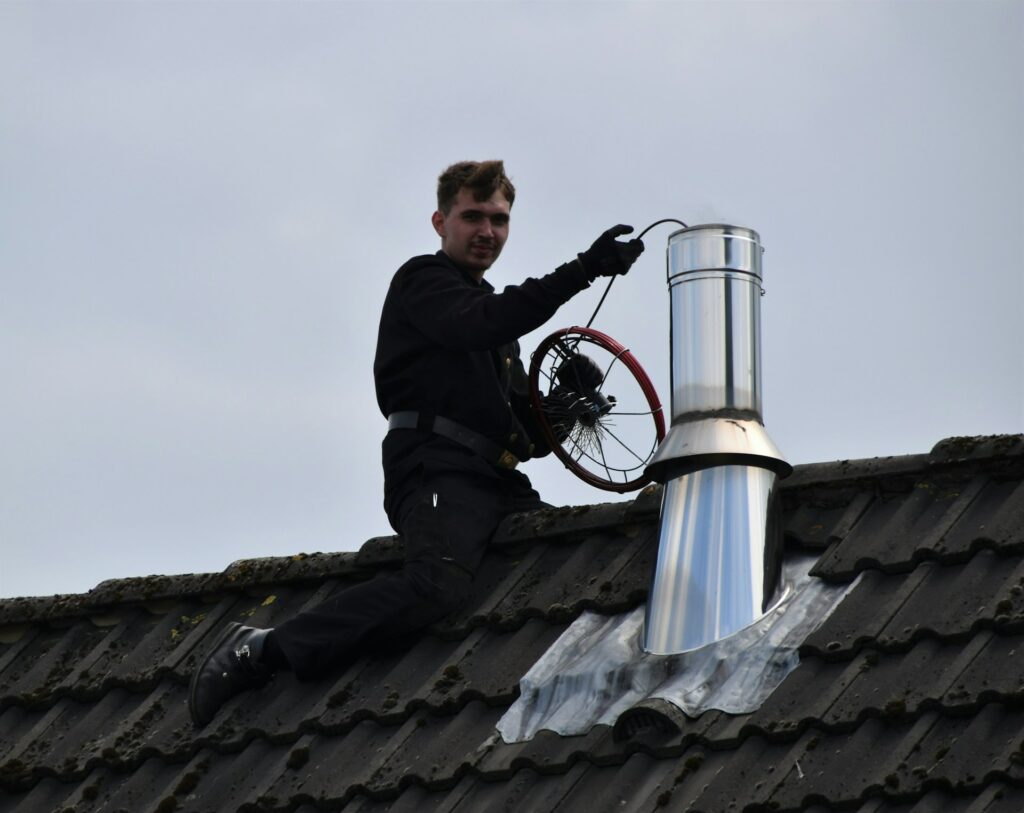
How long does a roof last? It depends mostly on the material. InterNACHI, the home inspectors’ association, estimates about 20 years for 3-tab asphalt shingles, about 30 years for architectural shingles, 40 to 80 years for metal, and 60 to 150 years for slate. Clay and concrete tile can last a century or more.
In Minnesota, your roof’s real lifespan also depends on how well it handles ice dams, hail, freeze-thaw cycles and attic heat. A well-installed, well-ventilated roof can reach the upper end of its range, while a roof that takes repeated storm damage or traps heat and moisture can wear out years early. This guide breaks down lifespans by material, the local factors that shorten them, the signs of a roof near the end, and how warranties compare to real-world life.
In this article
How Long Does a Roof Last? Lifespan by Material
The two most widely cited references are InterNACHI’s Standard Estimated Life Expectancy Chart for Homes and the National Association of Home Builders (NAHB) Study of Life Expectancy of Home Components, produced with Bank of America Home Equity in 2007. Both assume regular maintenance and normal wear, and both describe typical ranges, not promises.
| Roofing material | InterNACHI estimate | NAHB 2007 estimate |
|---|---|---|
| Asphalt shingles, 3-tab | 20 years | 20 years (asphalt, all types) |
| Asphalt shingles, architectural | 30 years | Not listed separately |
| Metal | 40–80 years | Not listed (copper: lifetime) |
| Copper | 70+ years | Lifetime |
| Slate | 60–150 years | 50+ years |
| Clay or concrete tile | 100+ years | Lifetime |
| Wood shingles and shakes | 25 years | 30 years |
| Fiber cement | 25 years | 25 years |
| Simulated slate | 10–35 years | 50 years |
| Modified bitumen (flat roof) | 20 years | 20 years |
| Built-up roofing (BUR) | 30 years | 30 years (coal tar) |
| EPDM rubber (flat roof) | 15–25 years | Not listed |
| TPO (flat roof) | 7–20 years | Not listed |
A closer look at metal
Metal roofing lifespans depend heavily on the coating and environment. A study sponsored by the Metal Construction Association and the ZAC Association examined unpainted aluminum-zinc coated steel (sold under names like Galvalume) on low-slope standing seam roofs at 14 sites across five U.S. climate regions. It found no significant red rust after up to 35 years and projected a service life of more than 60 years, provided the roofs got annual cleaning and inspection. Keep in mind the study was funded by metal industry groups.
Flat roofs on homes and garages
Many Minneapolis homes have a flat or low-slope section over a porch, addition or garage. Those membranes generally have shorter estimated lives than the steep-slope roof on the main house, so they often need attention on a different schedule.
Why Lifespan Estimates Vary
Notice that InterNACHI and NAHB don’t always agree, and both give ranges. That’s because a roof’s life depends on more than the material label:
- Product quality. Within any category there are budget and premium lines. Architectural shingles, for instance, are heavier and thicker than basic 3-tab shingles.
- Installation. Nailing, underlayment, flashing and ventilation done to the manufacturer’s instructions let a roof reach its potential. Mistakes here are a common cause of early failure.
- Climate. Sun, heat, cold, moisture, hail and wind all wear roofing down at different rates.
- Roof design. Steeper roofs shed water and snow faster. Valleys, dormers and penetrations add places where leaks start.
- Maintenance. Clogged gutters, overhanging branches, unrepaired storm damage and neglected flashing all shorten a roof’s life.
Minnesota Factors That Shorten Roof Life
Twin Cities roofs face a combination of conditions that test every part of the system.
Ice dams
An ice dam is a ridge of ice that forms at the roof edge and blocks melting snow from draining off. University of Minnesota Extension explains that it forms when upper parts of the roof stay above 32°F while the eaves stay below freezing, mostly because heat escapes from the house into the attic. Water backs up behind the ice, finds openings in the roof covering and leaks into the attic, walls and ceilings.
Ice dams don’t just cause interior water damage. Repeated backups soak the roof deck and underlayment at the eaves, and the moisture can lead to mold and rot that shortens the life of the whole roof system. Extension’s long-term fix is air sealing the ceiling first, then adding insulation, with ventilation playing a supporting role.
Hail
Hail season in Minnesota typically begins in late May in the south and early June in the north, according to University of Minnesota climatologist Mark Seeley. Large hail can crack and bruise shingles outright, and smaller hail matters too. A 2025 study from the Insurance Institute for Business & Home Safety (IBHS) found that repeated impacts from hail under 1 inch stripped more granules than a single 2-inch hailstone, and that weathered shingles hit by small hail were about ten times more susceptible to damage in a later severe storm.
Granules protect asphalt from the sun, so losing them speeds up aging. That’s why a roof that “survived” several storms without leaking may still be closer to the end than its age suggests. If you’ve had a significant storm, our hail damage roof repair page explains what to check next.
Freeze-thaw cycles
Minnesota winters swing above and below freezing many times, especially in late fall and early spring. When water gets into small cracks, open seams or gaps in flashing and then freezes, it expands and pries those openings wider. Over many cycles, minor defects become leaks. Roofing materials also expand and contract with temperature changes, which stresses seams, sealants and fasteners.
Attic heat and poor ventilation
An attic that traps heat and moisture works against your roof all year. Shingle maker GAF warns that excess attic heat can lead to moisture buildup, ice dams and damage to both roofing products and the structure. It also notes that damage caused by inadequate ventilation isn’t covered by its shingle limited warranty. In older Minneapolis homes, attics are often under-ventilated, poorly air-sealed or both.
Snow load
Heavy snow doesn’t wear out shingles directly, but it adds weight and feeds ice dams. University of Minnesota Extension also notes that reducing heat loss (which you should do to stop ice dams) can increase how much snow stays on the roof, so structural capacity matters. If snow removal is needed, have it done from the ground with a roof rake or by a professional crew; never climb onto a snowy or icy roof.
Signs Your Roof Is Near the End of Its Life
Age is only one clue. These signs, checked safely from the ground or inside your attic, tell you more about your roof’s actual condition.
Outside (use binoculars from the ground)
- Curling or cupping shingles across large areas, not just a few
- Cracked, brittle or broken shingles
- Missing shingles, especially after ordinary wind
- Bald spots where granules are gone and dark asphalt shows
- Lots of granules in gutters or at downspout outlets
- Sagging or a wavy roofline, which can mean deck or structural problems
- Moss or algae combined with other wear
- Damaged flashing around chimneys, vents and walls
Inside the attic
- Water stains or dark streaks on the roof boards or rafters
- Damp or matted insulation
- Daylight through the roof boards
- Frost buildup on nails or the underside of the deck in winter, a sign of moisture and ventilation problems
- Musty smells or visible mold
Around the house
- Ceiling stains or peeling paint on upper-floor ceilings
- Leaks that keep coming back after repairs
- Ice dams that form every winter
If you see several of these signs, or your roof is approaching the age range for its material, a professional roof inspection can tell you how much life is left and whether repairs make sense.
Warranty vs. Lifespan: What the Numbers Mean
Shingle bundles are often marketed with big numbers: 30-year, 50-year or “Lifetime.” Those numbers describe the length of the manufacturer’s limited warranty, not how long the roof will actually last on your house.
How a typical shingle warranty works
Using GAF’s published warranty terms as an example:
- “Lifetime” has a specific meaning. For GAF, it means the period during which the original owner owns a single-family detached home where the shingles are installed. For other owners and building types, the term is 40 years.
- Full coverage is front-loaded. The non-prorated period (GAF calls it the Smart Choice Protection Period) lasts 10 years on its standard shingle and accessory limited warranty. After that, any remedy is reduced based on how long the roof has been in use.
- Workmanship isn’t automatically covered. Installation errors are typically outside the standard manufacturer warranty. Enhanced warranty tiers that include workmanship coverage usually require specific accessories and installation by contractors in the manufacturer’s program.
- Conditions apply. Damage from inadequate attic ventilation or from problems with the roof deck isn’t covered by GAF’s standard limited warranty.
Other manufacturers use different terms, so read the actual warranty document for the product you choose. The key point: a long warranty is a sign of a manufacturer’s confidence in its product, but it doesn’t change how Minnesota weather, ventilation and installation affect your roof.
Workmanship warranties
Separately from the manufacturer, many roofing contractors offer their own workmanship warranty covering installation errors. Terms vary widely, so get any workmanship warranty in writing and know what it covers and for how long.
How to Make Your Roof Last Longer
- Fix attic air leaks and insulation. This is the single most effective way to prevent ice dams in Minnesota, according to University of Minnesota Extension.
- Keep ventilation balanced. Make sure soffit vents aren’t blocked by insulation and that intake and exhaust are working together.
- Clean gutters in spring and fall so water drains away from the roof edge.
- Trim overhanging branches that scrape shingles and drop debris.
- Get an inspection after major storms. Catching hail or wind damage early prevents small problems from spreading, and helps if you need to file an insurance claim.
- Repair small problems promptly. A loose flashing or a few missing shingles are minor fixes that protect the rest of the roof.
- Remove heavy snow safely. Use a roof rake from the ground or hire professionals. Never climb onto a snowy or icy roof.
- Choose the right materials at replacement. Impact-resistant shingles, ice-barrier underlayment at the eaves and a complete ventilation system all help a new roof stand up to Minnesota conditions.
Repair or Replace?
A roof with isolated damage, such as a few missing shingles or a leaking vent boot, can often be repaired, even if it’s middle-aged. Repairs make the most sense when the rest of the roof is in good shape and the problem has a clear cause.
Replacement starts to make more sense when wear is widespread, leaks keep coming back, the deck is soft or sagging, or the roof is at or beyond its expected life. Building codes also limit when new roofing can go over an existing layer, and a full tear-off lets the crew inspect and repair the deck. If you’re weighing a new roof, our roof replacement page walks through the process, and our roof repair page covers what can be fixed.
Frequently Asked Questions
How long does an asphalt shingle roof last in Minnesota?
Industry estimates put 3-tab asphalt shingles at about 20 years and architectural shingles at about 30 years. In Minnesota, hail, ice dams and poor attic ventilation can shorten that, while good installation and maintenance help a roof reach the upper end.
What is the longest-lasting roofing material?
Slate, clay tile and concrete tile have the longest estimated lifespans, often a century or more, followed by copper and other metal roofs. These materials are heavy or costly, and the roof structure must be able to carry them.
Does a 50-year shingle really last 50 years?
Not necessarily. The number on a shingle warranty describes the coverage term, not a promise of service life. Actual lifespan depends on climate, ventilation, installation and storm damage.
How do I know if my roof needs to be replaced?
Common signs include widespread curling or cracked shingles, heavy granule loss, missing shingles, recurring leaks, sagging areas and daylight through the roof boards. A professional inspection can tell you whether repairs will buy more time.
Does hail shorten a roof’s life even if it doesn’t leak?
It can. IBHS research found that repeated small hail strips granules and makes weathered shingles far more vulnerable to later storms, even when no leak appears right away.
Can I put new shingles over my old roof?
Building codes allow a roof recover only under limited conditions, and many jurisdictions limit how many layers a roof can have. A tear-off lets the roofer inspect and repair the deck, so it’s usually the better long-term choice.
Every roof has a lifespan, but in Minnesota the difference between the low and high end of that range often comes down to ventilation, insulation, storm damage and timely repairs. Knowing your roof’s material, age and condition lets you plan a replacement on your schedule instead of after a leak.
Not sure how much life your roof has left? Call Minneapolis Roofing Company at (888) 657-0348 for a free estimate.