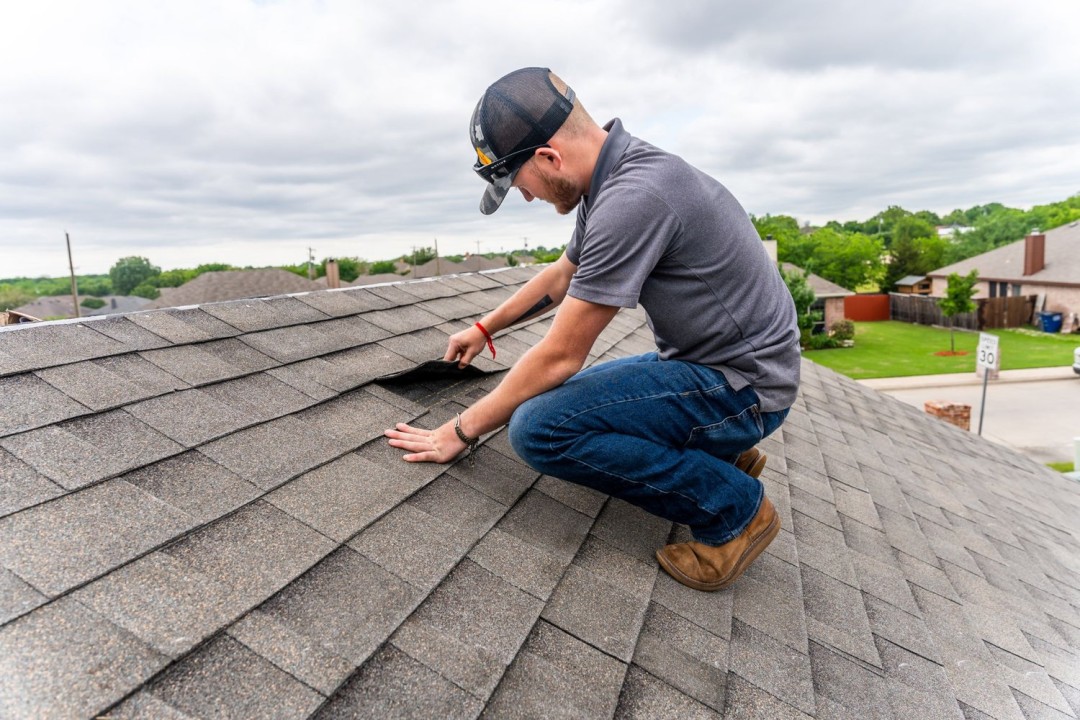
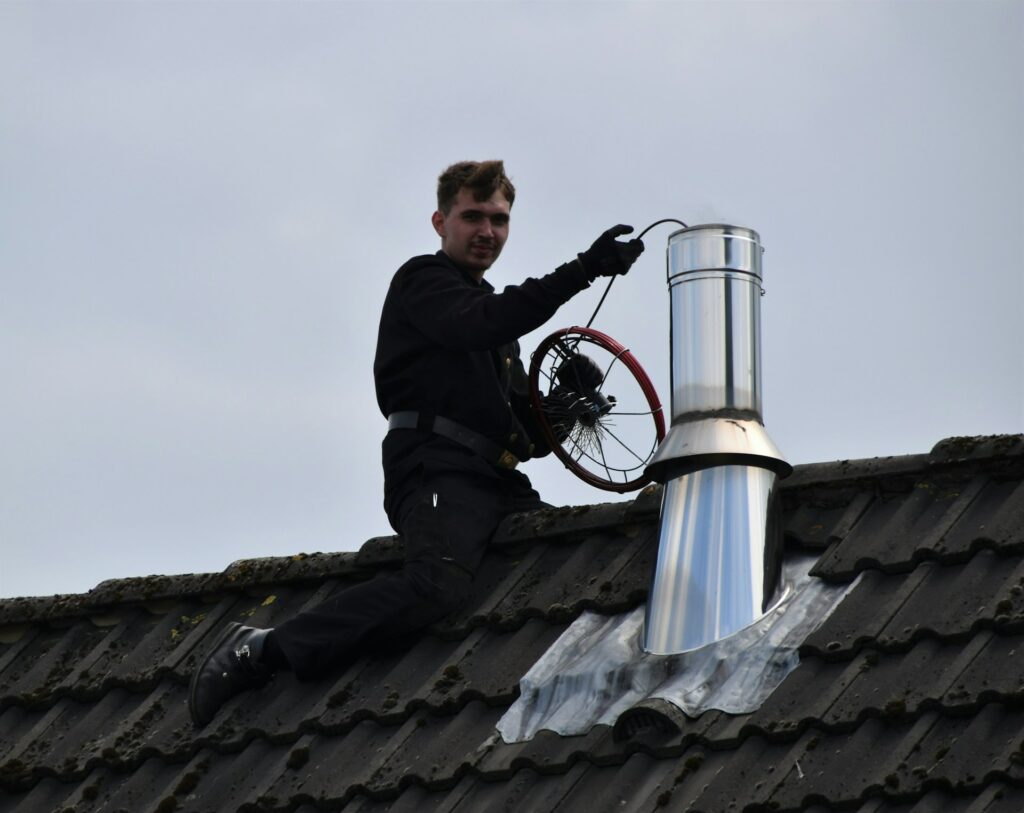
Knowing when to replace roof shingles comes down to two things: age and condition. If your asphalt roof is near the end of its expected life and shows widespread warning signs, such as curling or cracked shingles, bald spots where the granules have worn away, recurring leaks or a sagging roofline, it’s time to plan a replacement rather than keep patching.
Timing matters too. In Minnesota, the easiest window for a new shingle roof is late spring through fall, and many homeowners also replace before listing a house for sale or after a hailstorm damages the roof beyond repair. Below is a warning-signs checklist you can work through from the ground and the attic, plus guidance on choosing the right time.
In this article
- When to Replace Roof Shingles: The Warning Signs Checklist
- Signs That Don’t Automatically Mean Replacement
- How Often Should a Roof Be Replaced?
- The Best Time of Year to Replace a Roof in Minnesota
- Replacing Your Roof Before Selling
- Replacing After a Storm
- Other Good Times to Replace a Roof
- Minnesota Factors That Speed Up Replacement
- How to Plan Your Roof Replacement
- Frequently Asked Questions
When to Replace Roof Shingles: The Warning Signs Checklist
Use this checklist from the ground with binoculars and from inside your attic with a flashlight. Never climb onto the roof to look. One item on its own may only need a repair, but several items together, especially on an older roof, usually mean replacement is the better investment.
| Warning sign | Where to look | What it usually means | How urgent |
|---|---|---|---|
| Curling, cupping or clawing shingles | Binoculars from the yard | Shingles are drying out and losing flexibility; often age or attic heat | Plan replacement |
| Cracked or brittle shingles across many slopes | Binoculars from the yard | Asphalt has aged and is no longer weathertight | Plan replacement |
| Bald spots and heavy granule loss | Roof surface, gutters, downspout outlets | The protective granule layer is wearing away and exposing asphalt | Plan replacement |
| Missing shingles after every windstorm | Yard, roof surface | Seal strips have failed; repairs won’t hold long | Soon |
| Widespread hail damage | Roof, gutters, vents, A/C unit | Bruised or fractured shingles across the roof | Soon; check insurance |
| Sagging ridge or roof deck | Roofline from the street | Deck or framing damage, often from long-term moisture | Urgent |
| Daylight through roof boards | Attic | Holes or gaps in the deck | Urgent |
| Leaks in more than one place | Ceilings, attic | The roof is failing in several areas, not just one detail | Soon |
| Soft, stained or rotted sheathing | Attic | Water has been getting in for a while | Soon |
| Patchwork of mismatched repairs | Roof surface | Repairs are adding up and the roof is near the end of its life | Plan replacement |
| Moss or rot along eaves and valleys | Yard, gutters | Moisture is lingering; edges may be deteriorating | Have it inspected |
| Roof age near or past its expected life | Your records | Even without visible damage, failure risk is rising | Schedule an inspection |
Outside signs, explained
Curling and cupping. When shingle edges turn up (curling) or the centers sink and the edges rise (cupping), the shingles have lost their flexibility. Curled shingles catch wind and let water in underneath.
Granule loss. The mineral granules on asphalt shingles protect the asphalt from sunlight. A new roof sheds some loose granules, but bald patches or a sandy build-up in the gutters of an older roof show the shingles are wearing out.
Cracks and missing shingles. A few after a big storm can be repaired. Cracking across every slope, or shingles blowing off after ordinary winds, means the roof is aging out.
Hail damage. IBHS describes hail damage on shingles as random impact marks, bruises and cracks, with ridge caps especially vulnerable. Research released by IBHS in 2025 found that repeated smaller hail can cause more cumulative granule loss than a single large hailstone, and that weathered shingles become far more susceptible to later damage. If you’ve had several hail seasons on the same roof, have it inspected even if nothing looks dramatic.
A sagging roofline. The ridge and eaves should be straight. Dips or waves point to deck or structural problems, which need prompt professional attention.
Inside signs, explained
Water stains and leaks. A single leak at a chimney or vent is often a flashing repair. Leaks in several places, or stains that keep coming back after repairs, suggest the roof covering itself is failing.
Daylight and soft decking. If you can see daylight through the roof boards, or the sheathing is stained, delaminating or sagging between rafters, water has been getting in. Replacement often includes replacing damaged decking.
Attic frost and mold. These usually point to warm, moist house air leaking into the attic rather than a failing roof. They still matter, because long-term moisture can rot the deck, and they’re worth fixing before or during a replacement.
Signs That Don’t Automatically Mean Replacement
Not every roof problem calls for a new roof. These issues are often fixable on their own:
- A few missing or damaged shingles on an otherwise sound roof after a windstorm.
- A single leak at a chimney, skylight or vent pipe, which is usually a flashing or boot problem.
- Ice dams. The Minnesota Department of Commerce and University of Minnesota Extension both explain that ice dams are caused mainly by warm air leaking into the attic. A new roof alone won’t stop them. Air sealing and insulation are the real fix.
- Dark streaks, which are often algae or staining and mostly cosmetic.
- Some loose granules on a new roof, which is common in the first months.
If you’re weighing a repair against a full replacement, a professional roof inspection will tell you how much life the roof has left and whether repairs make sense.
How Often Should a Roof Be Replaced?
How often a roof needs replacing depends mostly on the material. InterNACHI’s life-expectancy chart gives these general estimates:
| Roof type | Estimated life |
|---|---|
| 3-tab asphalt shingles | About 20 years |
| Architectural asphalt shingles | About 30 years |
| Modified bitumen (low slope) | About 20 years |
| EPDM rubber (low slope) | 15 to 25 years |
| Metal | 40 to 80 years |
These are guidelines, not promises. Weather, installation quality, attic ventilation and maintenance can push a roof well past or well short of those numbers. In practice, most Minnesota homeowners with asphalt shingles should expect to replace the roof a couple of times over 50 years of owning a home, and should start watching closely once the roof passes about two-thirds of its expected life.
Age alone isn’t the deciding factor
A 20-year-old roof in good condition may have years left, while a 12-year-old roof battered by hail may not. Use age to decide when to start inspecting more often, and use condition to decide when to replace.
The Best Time of Year to Replace a Roof in Minnesota
Late spring through early fall is the most practical window for shingle roofs in Minnesota. Here’s why each season matters.
Late spring and summer
Warm weather helps asphalt shingles lie flat and helps their self-sealing strips bond. GAF advises that shingles lose flexibility below 40°F and that installation is easiest above that temperature. The trade-off is demand: Minnesota’s hail season begins in late May in the south and early June in the north, and roofing schedules fill up quickly after big storms.
Fall
Early fall is often ideal. Temperatures are usually still warm enough for shingles to seal, storms are less frequent, and finishing before snow means you won’t head into winter with a failing roof. Book early, because many homeowners have the same idea.
Winter
Winter replacement is possible but harder. GAF’s technical guidance says there’s no practical lower temperature limit for installation if the right precautions are taken, such as storing shingles warm and hand-sealing them, but the Minneapolis-St. Paul January normal temperature is around 16°F, and snow and ice make the work slower and more hazardous. Winter replacement is usually reserved for emergencies or roofs that can’t wait until spring.
Don’t wait for the perfect season if the roof is failing
If water is coming in or the deck is damaged, the right time is now. A professional can make temporary repairs to get you through to better weather, or replace the roof with cold-weather precautions.
Replacing Your Roof Before Selling
A roof near the end of its life can become a sticking point when you sell. Buyers’ home inspectors look at the roof covering, gutters, flashing and penetrations and report observed signs of active leaks, so problems are likely to come up during the sale.
Minnesota also requires sellers to disclose, in writing and before a purchase agreement is signed, all material facts they’re aware of that could significantly affect an ordinary buyer’s use and enjoyment of the home. A known roof leak is the kind of issue that typically belongs on that disclosure.
Your options usually come down to three choices:
- Replace before listing. In the National Association of Realtors 2025 Remodeling Impact Report, 37 percent of Realtors said they had recommended new roofing to sellers before selling. A new roof removes a common objection and can be a selling point.
- Repair and disclose. If the roof has life left, targeted repairs and a recent inspection report may be enough.
- Offer a credit or price adjustment. Some sellers prefer to let the buyer choose the new roof.
Don’t count on recovering the full cost. The 2025 Cost vs. Value report put the national average cost of an asphalt shingle roof replacement at $31,871, with an estimated resale value of $21,501, or about 68 percent recouped. Those are national figures; your actual cost and return will depend on your home and local market.
Replacing After a Storm
Hail and wind often force Minnesota roofs to be replaced earlier than planned. After a storm, check from the ground for dents and spatter marks on gutters, downspouts, roof vents and your A/C unit, then have the roof inspected if you see signs of hail.
If the damage is covered by your homeowners policy, insurance may pay for some or all of the replacement, minus your deductible. How much depends on whether your roof is covered at actual cash value, which deducts depreciation for age, wear and tear, and condition, or at replacement cost. Our roof replacement cost page explains what goes into the price if you’re comparing a claim estimate with a contractor’s bid.
Be cautious with door-to-door contractors after storms. Minnesota Commerce warns about high-pressure tactics and requests for large upfront payments, and Minnesota law prohibits contractors on insurance-funded jobs from promising to pay your deductible.
Other Good Times to Replace a Roof
- When repairs keep adding up. If you’re calling for repairs every year, the money may be better spent on a new roof.
- When the roof already has two layers. The 2020 Minnesota Residential Code allows a total of two layers of asphalt shingles, so a roof that already has two layers needs a full tear-off at the next replacement. Waiting longer usually doesn’t save money.
- Before installing solar panels. Panels have to be removed and reinstalled to replace the roof underneath, so it’s worth replacing an older roof first.
- When you’re upgrading the attic. Minnesota Commerce recommends sealing attic air leaks and insulating to at least R-50 as space allows. Coordinating attic work with a roof replacement lets you fix ventilation and insulation together.
- When the home’s exterior is being updated. Combining new roofing with siding, gutters or windows can simplify flashing details and scheduling.
Minnesota Factors That Speed Up Replacement
Ice dams and freeze-thaw cycles
Repeated ice dams force water under shingles at the eaves, and freeze-thaw cycles widen small cracks over time. Roofs on homes with poor attic air sealing often age faster along the eaves than anywhere else.
Hail
Twin Cities roofs face hail risk every season from late spring into summer. Even storms that don’t cause obvious damage can wear down the granule layer and shorten a roof’s life.
Older housing stock
Some older Twin Cities homes still have board decks instead of plywood or OSB. St. Paul’s reroofing policy, for example, requires board gaps greater than 5/8 inch to be filled in or overlaid before new shingles go on. Deck work like this is one reason older homes can cost more to re-roof, and it’s best discovered during an inspection rather than mid-project.
Code updates
A replacement must meet current code. Minneapolis requires a permit for re-roofing (other than repairs smaller than one bundle) and requires an ice barrier from the eave to at least 24 inches inside the exterior wall line. Suburban codes based on the 2020 Minnesota Residential Code also specify a 115 mph ultimate design wind speed with wind-rated shingles. Your contractor should handle the permit and code requirements.
How to Plan Your Roof Replacement
- Get an inspection. Confirm whether you need a replacement now, in a year or two, or just repairs.
- Check your insurance. If there’s storm damage, document it and talk to your agent before signing anything.
- Collect written estimates. Compare the same scope: tear-off, decking allowance, underlayment, ice barrier, ventilation, flashing and permits.
- Choose your materials. Consider impact-rated shingles if hail is a concern; some insurers offer discounts for them.
- Schedule early. Spring and fall fill up fast, especially after hail.
- Confirm the permit. Make sure it’s pulled and that a final inspection is scheduled.
When you’re ready, our roof replacement page explains what a full tear-off and new roof involves.
Frequently Asked Questions
How do I know when to replace my roof?
Replace it when the roof is near the end of its expected life and shows widespread problems such as curling or cracked shingles, bald spots, leaks in several places, soft decking or a sagging roofline.
How often should a roof be replaced?
InterNACHI estimates about 20 years for 3-tab asphalt shingles and about 30 years for architectural shingles, with metal lasting much longer. Actual life depends on weather, installation, ventilation and maintenance.
What is the best month to replace a roof in Minnesota?
Late spring through early fall is best because asphalt shingles seal more reliably in warmer weather. Early fall is often ideal, but book ahead because schedules fill quickly.
Can a roof be replaced in winter in Minnesota?
Yes, with cold-weather precautions such as keeping shingles warm and hand-sealing them, but it’s slower and harder. Winter replacement is usually reserved for roofs that can’t wait.
Should I replace my roof before selling my house?
It depends on the roof’s condition and your market. A failing roof is likely to be flagged by a buyer’s inspector, and Minnesota sellers must disclose known material problems, so replacing, repairing or offering a credit are all options to weigh.
Do ice dams mean I need a new roof?
Not usually. Ice dams are mainly caused by warm air leaking into the attic, so air sealing and insulation are the main fix, though repeated ice dam leaks can damage the roof over time.
The right time to replace a roof is when its age and condition line up: an older roof showing several warning signs, or a roof damaged beyond reasonable repair. Planning ahead lets you choose the season, compare estimates and avoid an emergency replacement in the middle of winter.
Wondering whether your roof has a few more years left? Call Minneapolis Roofing Company at (888) 657-0348 for a free estimate.