Minneapolis Roofing Company

Reliable Roof Repair in Minneapolis, Minnesota

It’s easy to underestimate the impact of a roof leak. But missing shingles, damaged flashing, or storm damage can allow water to reach the decking, insulation, ceilings, and walls. Acting early can prevent a straightforward repair from becoming a much larger project.

Minneapolis weather is especially hard on roofs. Snow, ice, hail, wind, and temperature changes can quickly expose weak areas, making timely repair important. If you suspect your roof is leaking or have noticed any damage, reach out to us at Minneapolis Roofing Company by calling or messaging (888) 657-0348 to request an inspection and repair estimate.

Comprehensive Solutions

Roof Repair Services in Minneapolis

Minneapolis Roofing Company repairs problems affecting shingles, flashing, vents, valleys, and other vulnerable areas. We first identify the source and extent of the damage so the repair addresses the real problem rather than simply covering up the visible symptoms. Depending on the condition of the roof, repairs may involve replacing individual components, correcting water entry points, restoring damaged areas, or addressing minor underlying deterioration.

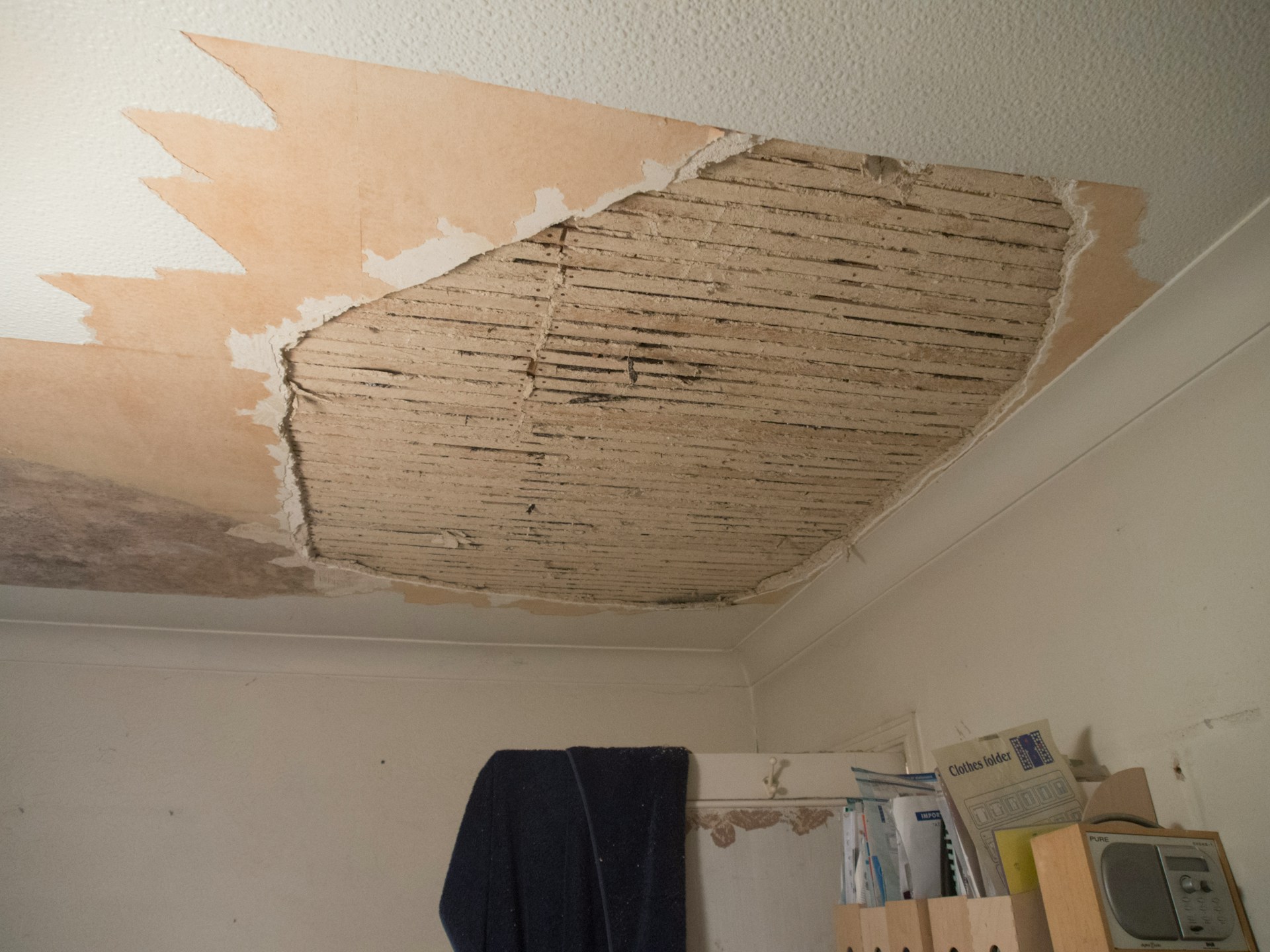
Ceiling with peeling paint and damaged drywall from a roof leak

Roof Leak Repair

We locate the source of the leak and repair the affected area. Since water can travel beneath roofing materials, the visible stain inside may not be directly below the entry point. Our inspection traces moisture back to the likely entry point.
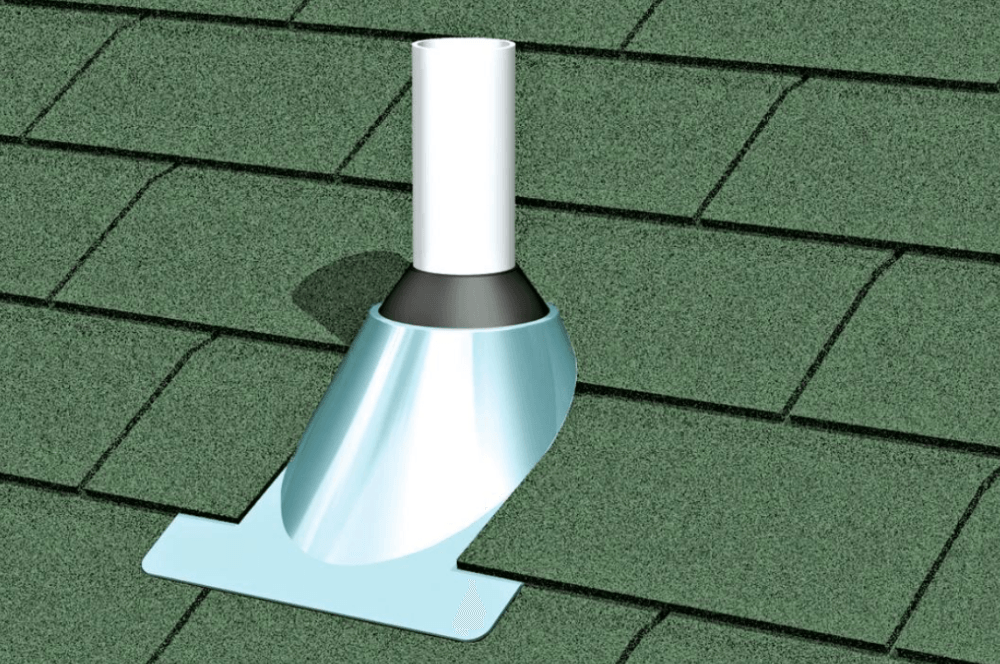
Illustration of a plumbing vent pipe with a flashing boot on green asphalt shingles

Vent and Pipe-Boot Repair

Roof vents and plumbing pipes require watertight seals where they pass through the roofing system. Cracked pipe boots, loose vents, or deteriorated seals can create small but persistent leaks.
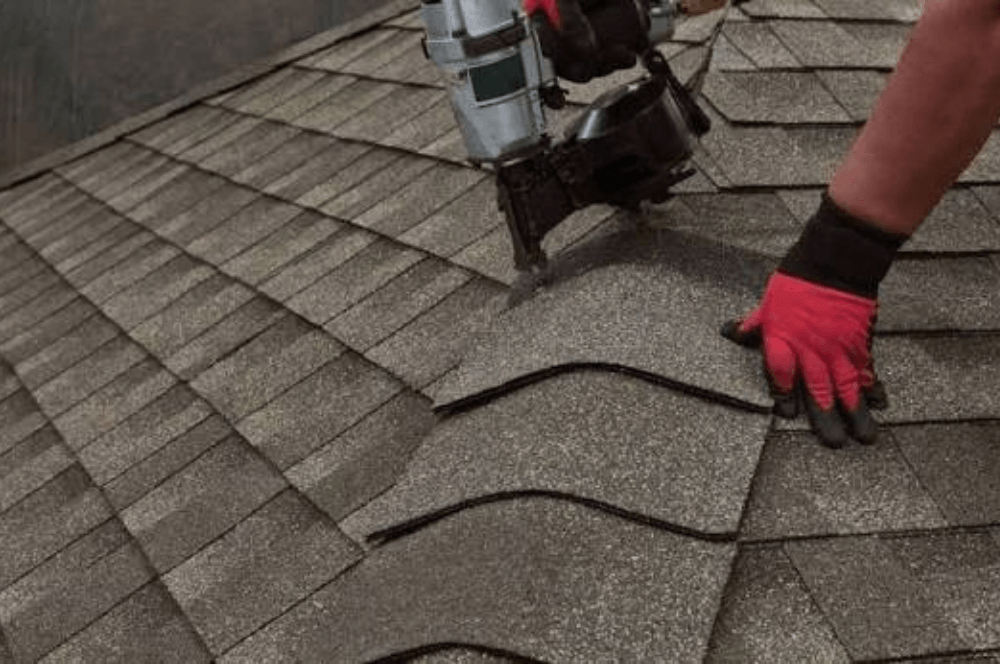
Roofer using a nail gun to fasten architectural asphalt shingles

Ridge-Cap Repair

Ridge caps cover the highest points where roof slopes meet. Missing, cracked, loose, or wind-damaged ridge caps expose the upper seams of the roofing system to weather.
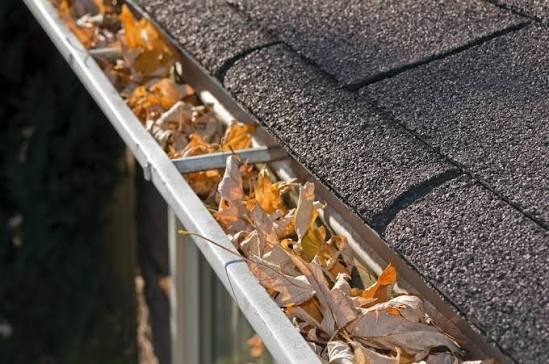
Gutter clogged with dry leaves along the edge of an asphalt shingle roof

Gutter-Related Roof Problems

Poor drainage can contribute to roof problems, particularly when gutters or downspouts are clogged, damaged, or unable to move water away effectively. We identify roofing problems associated with drainage.
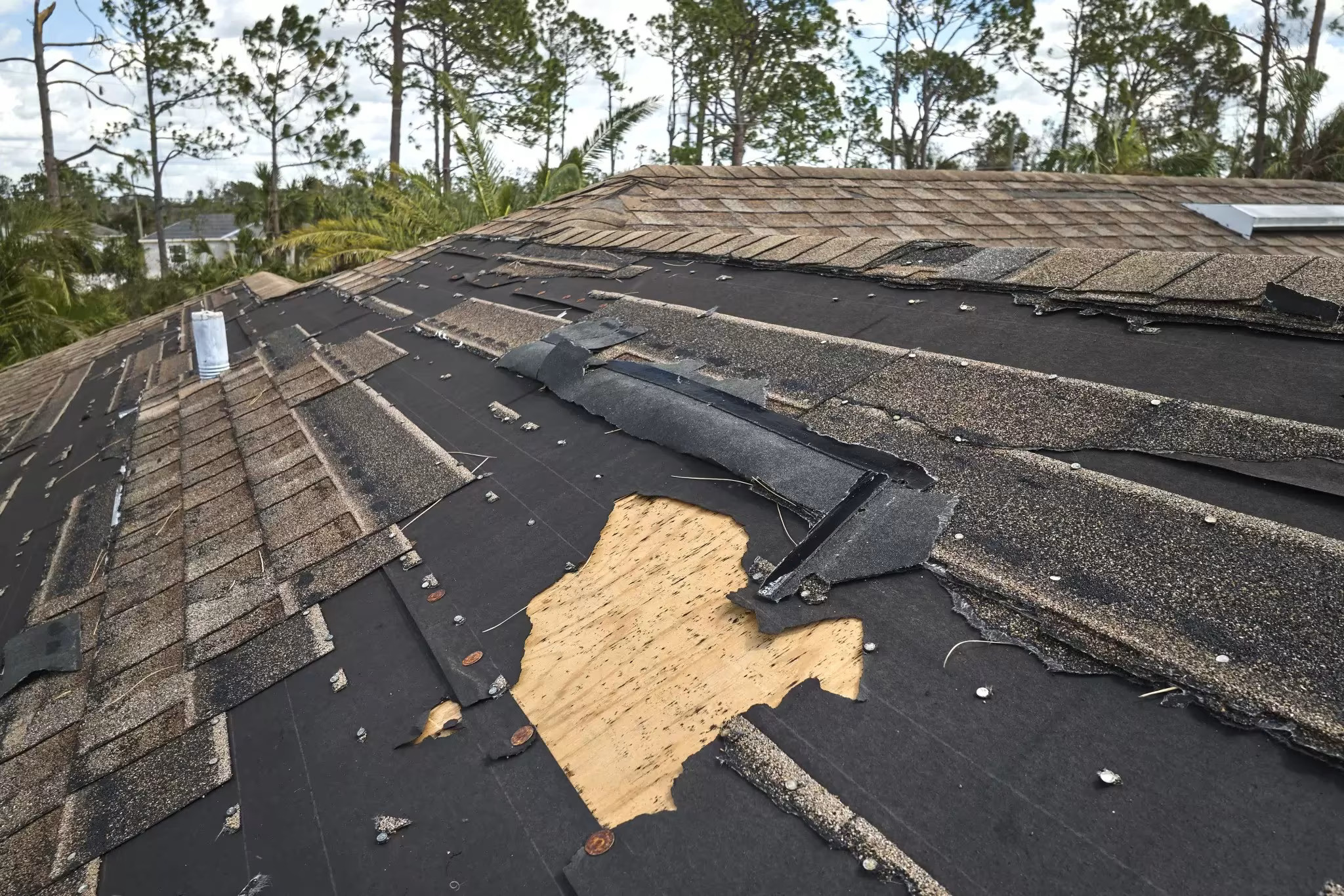
Wind-damaged roof shingles

Storm and Hail Damage Repair

Hail and strong winds can crack, loosen, lift, or remove roofing materials. After a storm, we inspect the affected areas and determine whether localized repair is sufficient for the damaged sections.
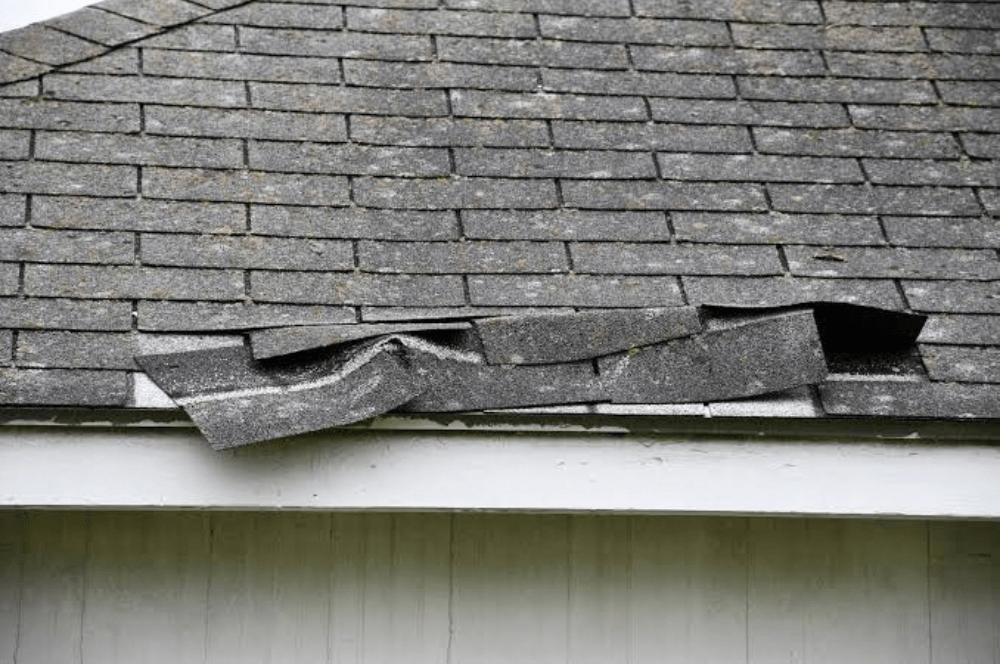
Lifted and broken asphalt shingles along a roof edge

Missing or Damaged Shingles

Missing, cracked, lifted, or loose shingles expose the layers beneath to moisture and wind. We replace damaged shingles and inspect the surrounding area. Where suitable replacement shingles are available, we aim to blend the repair with the existing roof.
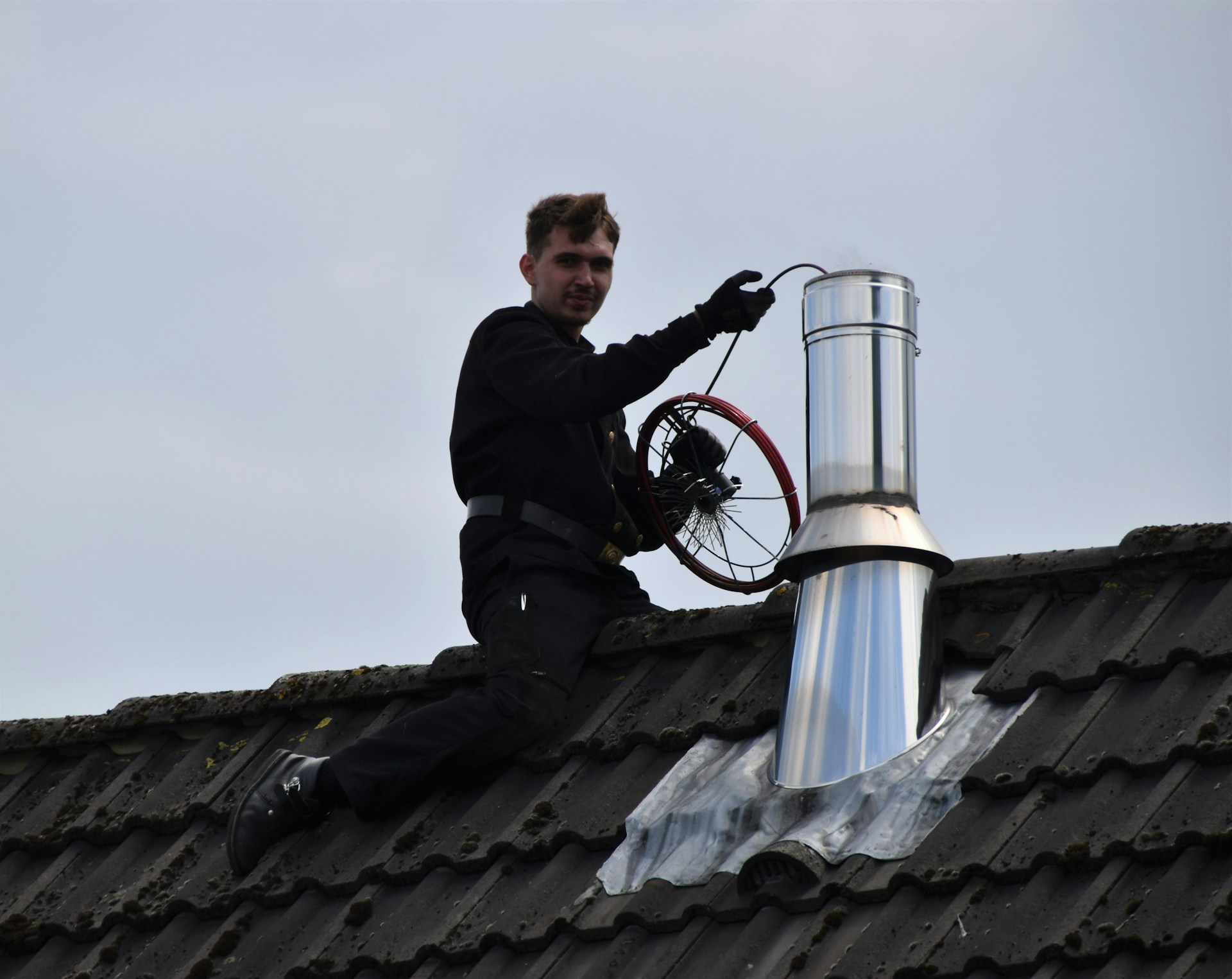
Worker on a tile roof installing a metal chimney flue pipe with flashing

Chimney-Area Repair

Water may enter around a chimney when the flashing, counterflashing, sealant, or surrounding roofing materials fail. We inspect the chimney connection and repair surrounding roofing components where necessary.
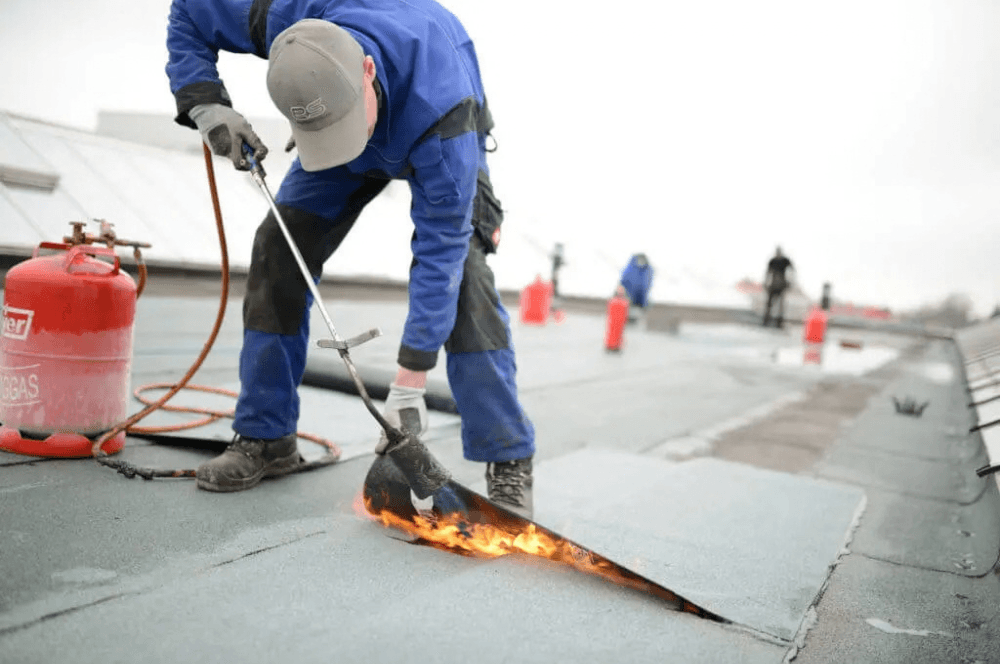
Roofer using a torch to repair membrane on a flat commercial roof

Flat-Roof Repair

Flat and low-slope roofs may develop open seams, punctures, damaged membranes, or deteriorated flashing. We assess the membrane, seams, drainage, and surrounding components before recommending the appropriate repair.
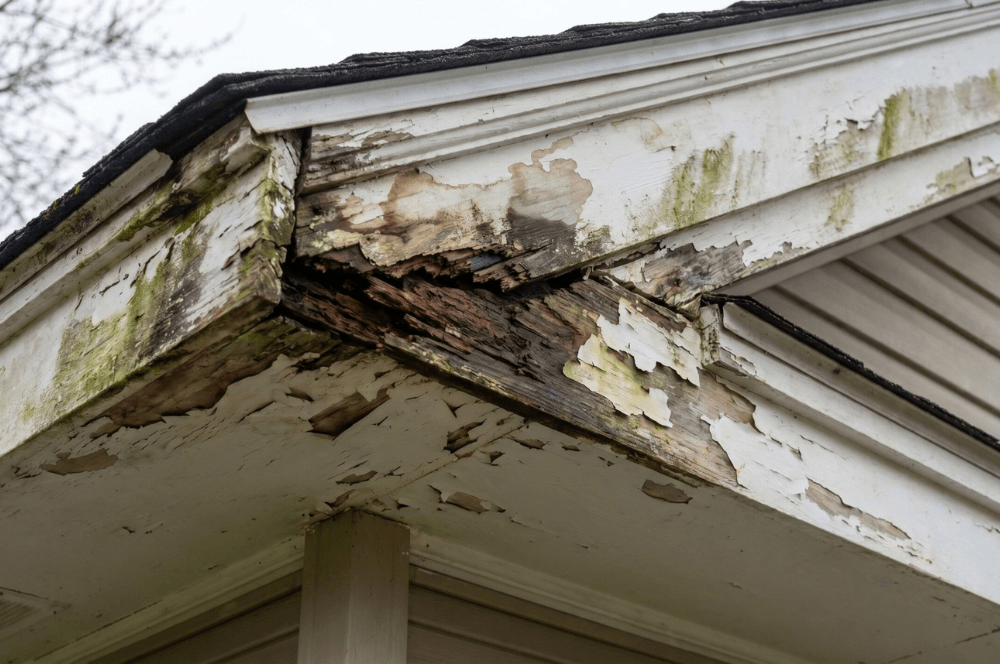
Rotted, peeling fascia and soffit at the corner of a roof edge

Fascia and Soffit Damage

Water intrusion around the roof edge can affect fascia boards and soffits. Damaged or deteriorated sections may require attention alongside the roof repair to protect the roof edge.
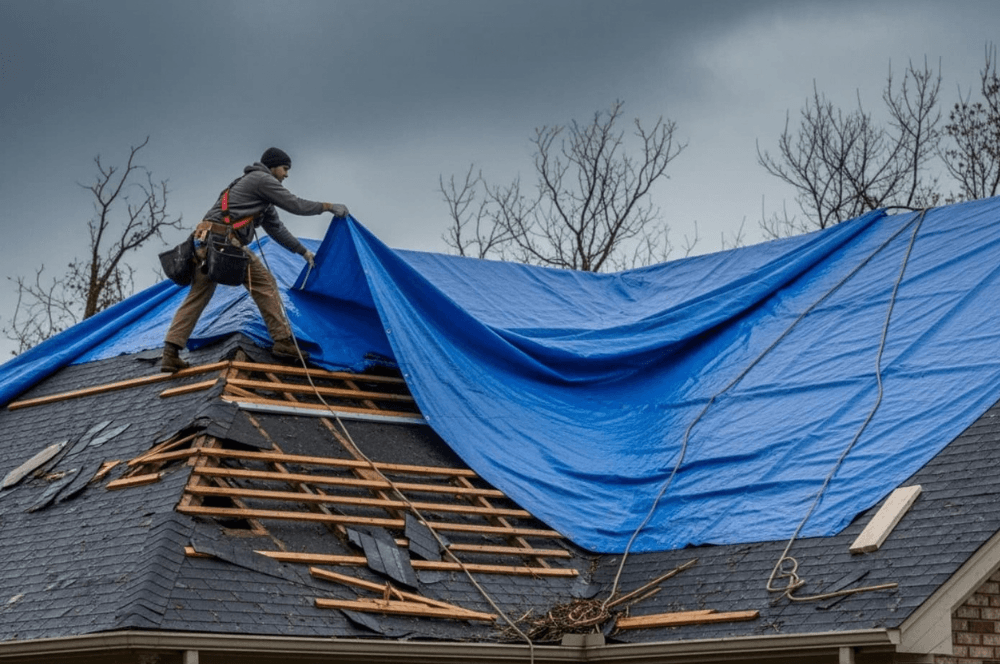
Roofer securing a blue tarp over a storm-damaged roof with exposed boards

Emergency Temporary Protection

An active leak or storm-created opening may require temporary covering to limit further water intrusion while conditions are assessed and permanent repairs are scheduled.
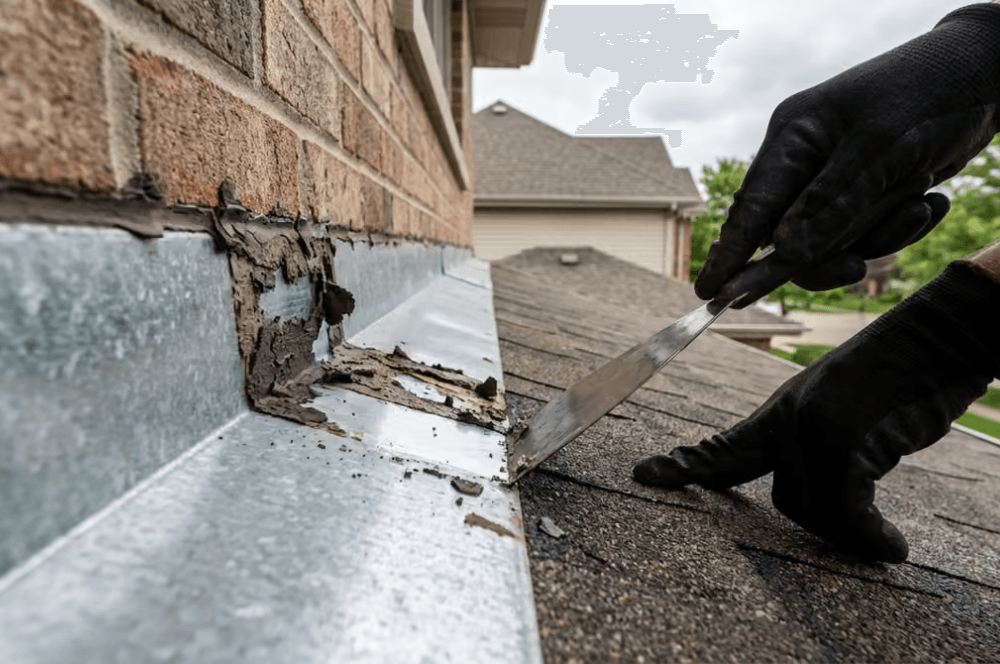
Gloved hands scraping old sealant from flashing where a roof meets a brick wall

Flashing Repair

Flashing protects joints and transitions around chimneys, walls, valleys, skylights, and other roof penetrations. Loose, corroded, or poorly sealed flashing allows water into the roof and needs repair or replacement.
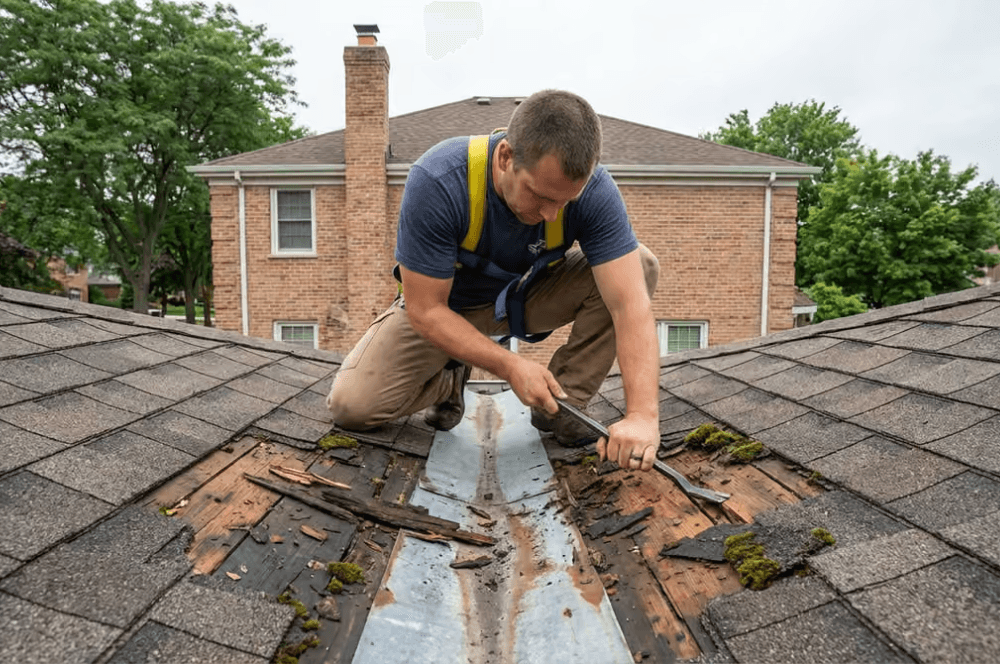
Roofer repairing a damaged metal valley on an asphalt shingle roof

Valley Repair

Roof valleys carry a large amount of water toward the gutters, making them particularly important areas to maintain. Damaged materials, debris, or worn flashing can cause leaks and premature wear.
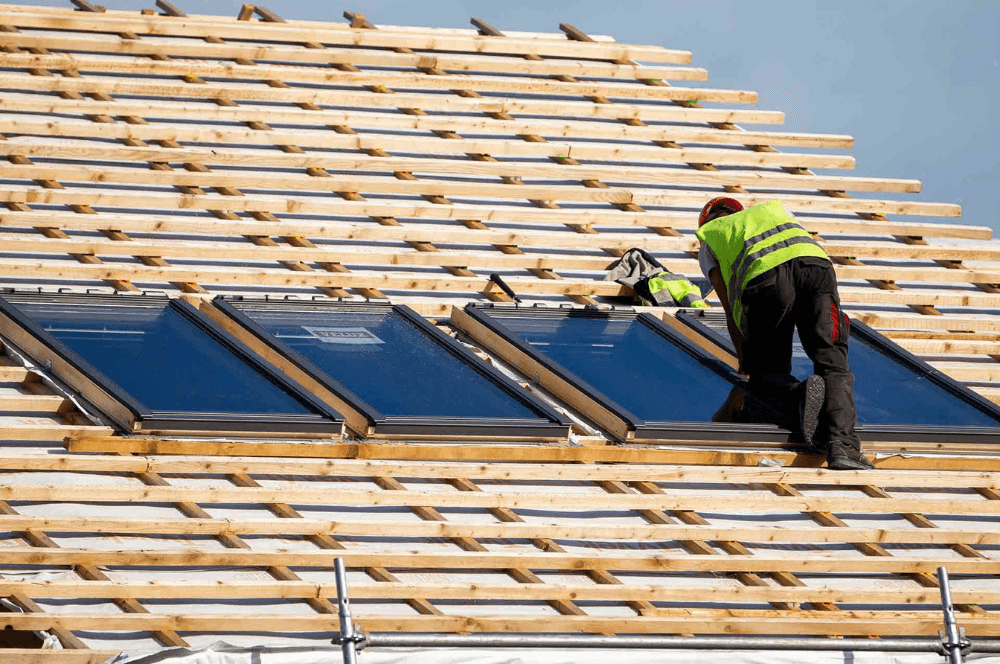
Roofer installing a row of skylight windows on a roof with exposed battens

Skylight Leak Repair

Skylights can become sources of leaks when their flashing, seals, surrounding roofing materials, or installation components deteriorate. We inspect the area around the skylight to determine the source.
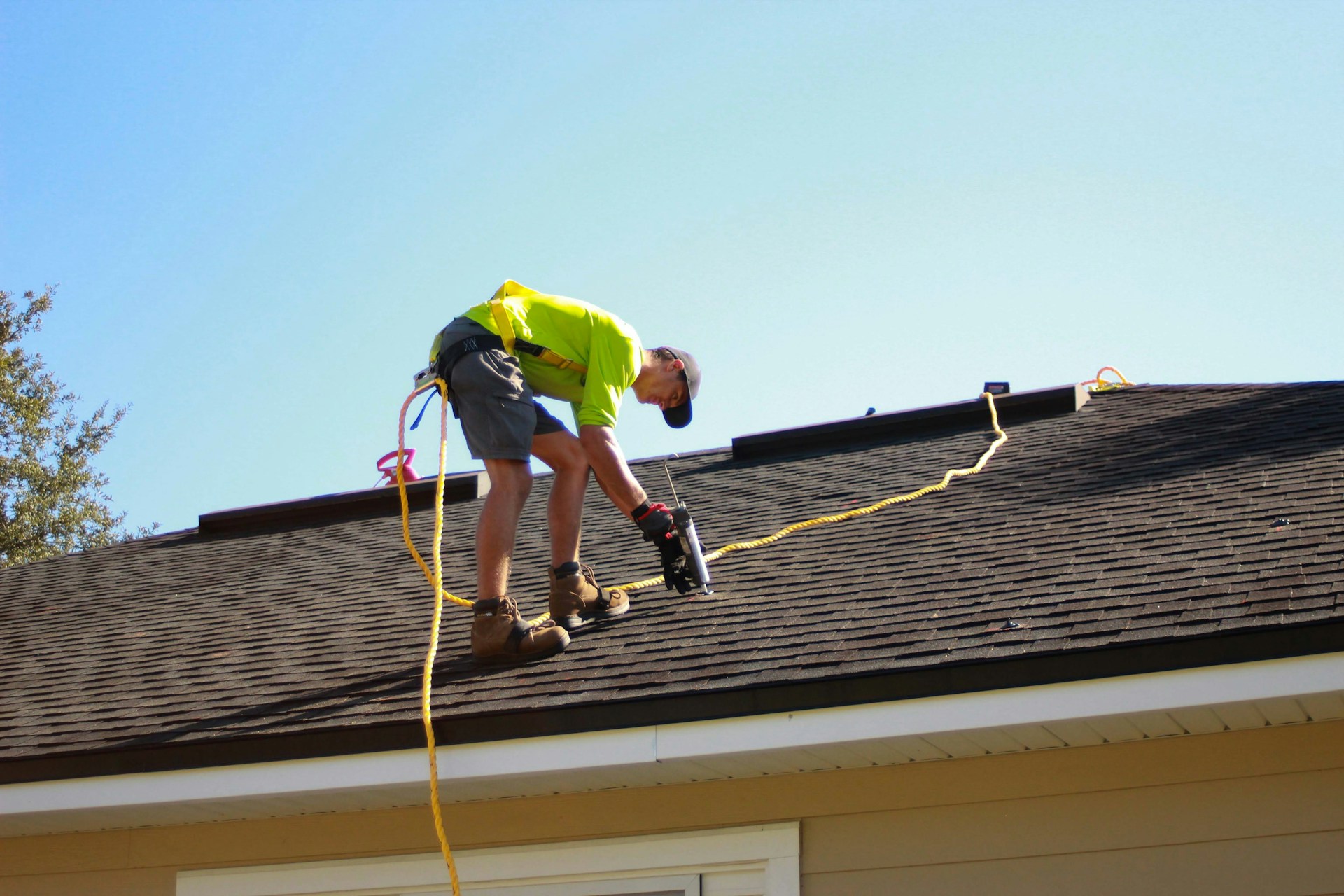
Roofer with a safety line working on a brown asphalt shingle roof

Minor Roof Decking Repairs

Roof decking beneath the roofing materials can deteriorate when exposed to prolonged moisture. If a small damaged area is discovered during a repair, the affected decking may need to be replaced.

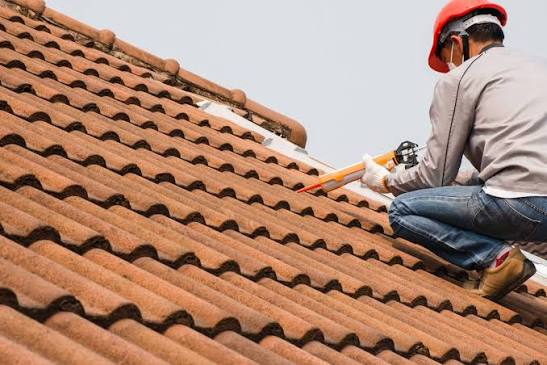
The right repair starts with identifying the actual source of the problem. A damaged shingle, leaking valley, deteriorated flashing, skylight, or section of roof membrane may require a different approach. A professional roof inspection can determine what needs attention and whether the existing roofing system can be repaired.

Early Warning Indicators

Signs Your Roof Needs Repair

Roof damage is not always visible from the ground. Watch for the following changes inside your home, in the attic, and around the roofline. Some signs appear inside the house while others are visible on the exterior or in the gutters.

Water Stains

Brown or yellow stains on ceilings and walls often indicate moisture intrusion. Even a small stain should be investigated because the leak may be larger than it appears.

Missing Shingles

Missing shingles leave the underlayment and roof deck more exposed to rain, snow, and wind. They should be replaced before moisture reaches the layers below.

Curling or Cracked Shingles

Shingles may curl, crack, or split due to age, weather exposure, or ventilation issues. Damaged shingles cannot protect the roof as effectively.

Sagging Areas

A sagging section may indicate trapped moisture, weakened decking, or structural damage. It requires prompt professional assessment.

Visible Daylight in Attic

Light entering through the roof may indicate holes, separated materials, or damaged decking that allows water, cold air, and pests inside.

Damp Attic Insulation

Wet or compressed insulation may indicate a roof leak, condensation, or poor ventilation. Damp insulation also becomes less effective over time.

Granules in Gutters

Excessive granules in gutters may indicate aging or damaged shingles that are losing their protective surface coating.

Damaged Flashing

Loose, bent, or corroded flashing can allow water into areas around chimneys, walls, skylights, and vents.

Musty Smells

Persistent musty odors in the attic or upper rooms may be caused by hidden moisture and mold growth that needs attention.

Higher Energy Bills

Damaged insulation, air leaks, or poor attic ventilation can make heating and cooling less efficient, increasing your energy costs.

Get Your Roof Repaired Before the Damage Spreads

Even a small leak can damage insulation, ceilings, walls, and roof decking when left unattended. Minneapolis Roofing Company will locate the source of the problem and recommend a suitable repair. Call (888) 657-0348 to schedule a roof repair inspection.

Climate and Environmental Factors

Common Causes of Roof Damage in Minneapolis

Roofer reviewing a clipboard with a homeowner in front of a house

Minnesota winters bring snow loads, ice dams, freeze-thaw cycles, and hail that put constant stress on your roof throughout the year.

While the weather in Minneapolis cannot be underestimated, it is not the only cause of roof damage. Installation problems, poor maintenance, and natural aging can also weaken the system over time.

Accurate Diagnostics

Roof Leak Detection and Repair

The stain on your ceiling may be far from the actual leak. Water can travel along rafters, decking, and insulation before it becomes visible, so finding the entry point requires a careful inspection of the entire roofing system.

Roofer in a hard hat repairing a clay tile roof

Pinpointing Hidden Water Pathways

Water rarely travels in a straight line. Because roofing underlayment and rafters can channel leaks dozens of feet away from the initial entry point, our technicians employ a rigorous 6-step diagnostic protocol before starting any repairs.

Stage 01: Exterior Inspection

We inspect shingles, flashing, valleys, roof edges, vents, chimneys, and other penetrations for damage or openings. We also check for debris and drainage problems.

Stage 02: Attic Inspection

Where accessible, the attic is checked for water stains, damp insulation, mold, rotting wood, and visible openings that help trace the direction of moisture entry.

Stage 03: Flashing Assessment

Chimneys, vents, skylights, and pipes are common leak points. We examine the flashing, boots, and sealants around these areas for cracks, corrosion, or separation.

Stage 04: Moisture Tracking

The location and pattern of moisture help narrow down the source. In some cases, controlled water testing may be used when visual inspection does not identify the entry point.

Stage 05: Repair Recommendation

Once the source is found, we explain the required repair and whether nearby materials have also been affected by moisture over time.

Stage 06: Testing and Follow-Up

After the repair, the affected area is checked to confirm that the opening has been sealed. We may also recommend monitoring the interior during future rainfall.

Need a Roof Repair? Get a Free Estimate

Do not wait for moisture to cause further damage. Our experienced crew offers fast response times, careful repairs, and transparent pricing. Call (888) 657-0348 today to request your free estimate.

Emergency Roof Repair in Minneapolis

Active leak? Storm damage? We respond fast across Minneapolis.

When a storm, fallen tree, or sudden failure creates an opening in your roof, every hour of delay increases the risk of water damage to insulation, ceilings, walls, and personal property.

Minneapolis Roofing Company provides emergency roof protection including temporary tarping to limit further water intrusion while conditions are assessed and permanent repairs are scheduled.

Roofer securing a blue tarp over a storm-damaged roof with exposed boards
Our Proven Method

Our 8-Step Roof Repair Process

Every repair at Minneapolis Roofing Company follows a structured 8-step process designed to identify the true source of the problem, complete the work properly, and verify the result before we leave your property.

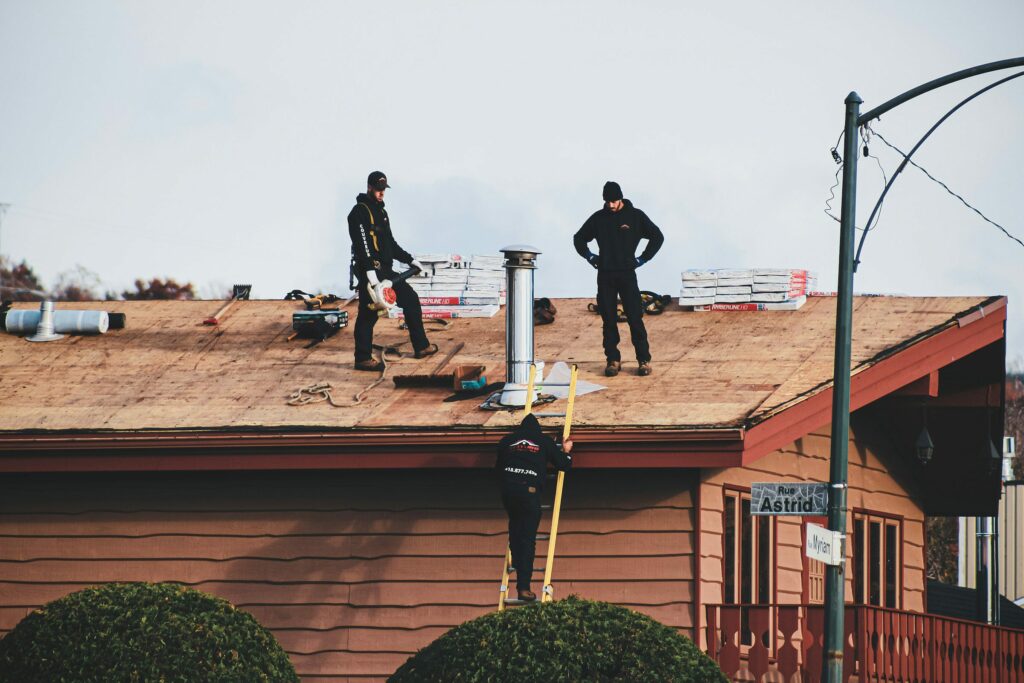
Roofing crew on a low-slope house roof beside two chimneys

Craftsmanship on Every Job

Our team doesn’t rush repairs. We take the time to properly assess the damage, select appropriate materials, and execute the repair in a way that’s meant to last through Minneapolis winters and beyond.

Step 1: Customer Consultation

We begin by discussing the signs you have noticed, such as leaks, water stains, missing shingles, or storm damage. We also ask when the problem started and whether previous repairs have been completed.

Step 2: Roof Inspection

Our team will respond in 24-48 hours and inspect the roofing materials, flashing, valleys, vents, chimneys, and other areas connected to the reported problem. The attic may also be checked for moisture where it is accessible and necessary.

Step 3: Damage Diagnosis

We identify the source and extent of the damage. Since water can travel beneath roofing materials, the visible stain inside the building may not show where the leak began.

Step 4: Repair Recommendation

After diagnosing the problem, we explain the necessary repair. If the damage is too extensive for a reliable repair, we may recommend roof replacement.

Step 5: Written Estimate

You receive a written estimate outlining the repair work, materials, and expected cost. Any conditions that may affect the final price are explained before work begins.

Step 6: Repair Work

The damaged roofing components are repaired or replaced in accordance with the approved scope. This may include shingles, flashing, pipe boots, vents, sealants, or sections of roof decking.

Step 7: Cleanup

Once the repair is complete, we remove roofing debris, old materials, and other waste from the work area.

Step 8: Final Check

We inspect the repaired area to confirm that the agreed work has been completed. We also explain any maintenance or follow-up recommendations.

Honest Assessment

When Roof Repair Is Not Enough

In some cases, the condition of the roof may indicate that replacement is a more practical solution than continued repair. During inspection, we will explain which option is likely to make more sense given the actual condition of the roof. If replacement is the better choice, learn more about our roof replacement in Minneapolis.

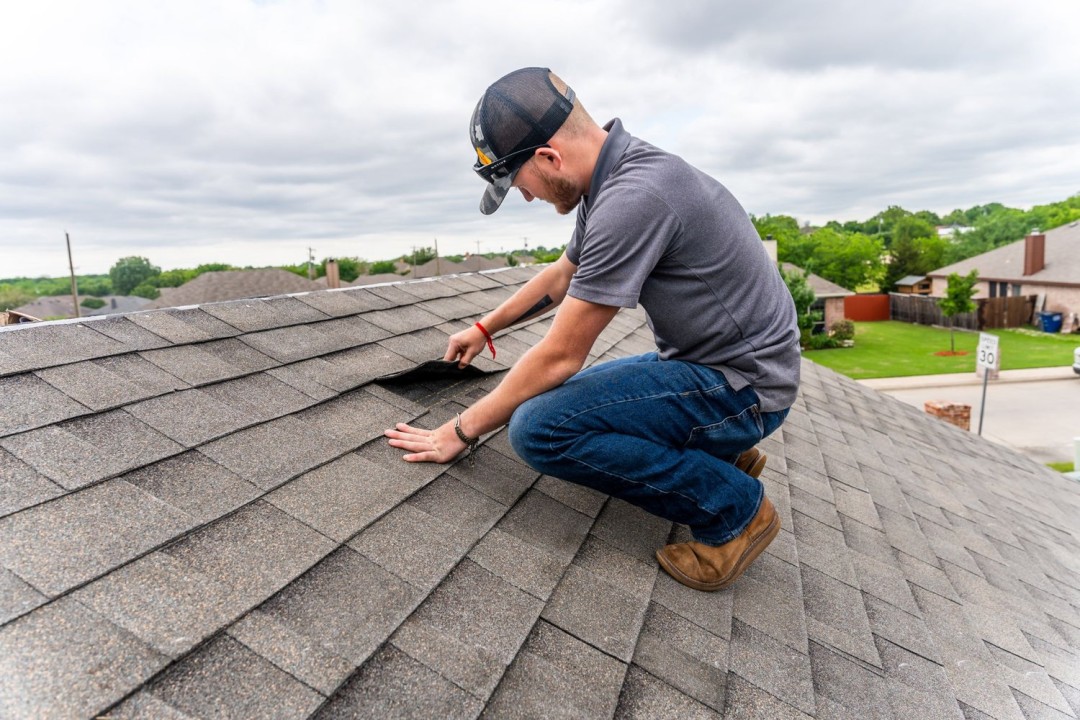
Roofer kneeling on an asphalt shingle roof to inspect lifted shingles

When Repair Is the Right Choice

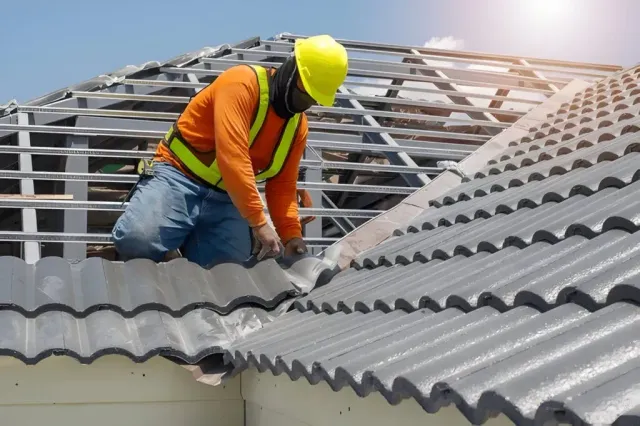
Roofer in a hard hat installing gray tile roofing over battens

When Replacement Makes More Sense

More Than 30% Damage

When the damaged area is extensive, the cost of repairs may approach or exceed the cost of a new roof, making replacement more economical in the long run.

Recurring Leaks

A roof that has been repaired multiple times in recent years may have underlying issues that cannot be fully resolved through additional patching.

Near End of Service Life

Asphalt shingles typically last 20-30 years. A roof nearing the end of that range may warrant replacement rather than continued investment in repairs.

Protect Your Investment

Roof Repair Prevention and Maintenance

Regular maintenance can significantly extend the life of your roof and help avoid large, unexpected repair bills. These six practices apply to most residential roofing systems in the Minneapolis area.

Annual Roof Inspection

Schedule a professional inspection each year to identify wear, loose flashing, and minor damage before it becomes a larger problem.

Clear Gutters and Downspouts

Remove debris from gutters and downspouts at least twice per year to prevent water pooling along roof edges.

Address Moss and Algae

Moss and algae hold moisture against roofing materials, accelerating deterioration. Treat affected areas and improve drainage.

Inspect After Major Storms

After severe hail or high-wind events, inspect the roof from ground level or request a professional assessment promptly.

Improve Attic Ventilation

Proper attic ventilation reduces heat and moisture buildup, helping shingles age more slowly and reducing ice dam formation.

Trim Overhanging Branches

Tree branches rubbing against shingles gradually strip granules and create openings. Keep branches trimmed to reduce this risk.

Guides & Resources

Roof Repair Guides for Minneapolis Homeowners

Practical guides on leaks, storm and hail damage, flashing and common repairs. Each one is written for Minneapolis homes and weather.

New guides in this series are published every week. Check back soon, or call (888) 657-0348 with any question about your roof.

Common Questions

Frequently Asked Questions

Answers to the questions Minneapolis homeowners ask most often about roof repair.

Same-day repair may be possible for minor problems, depending on the damage, weather, material availability and scheduling. If permanent repair cannot be completed immediately, temporary protection may help prevent further water intrusion.

The cost depends on the damage, roof material, accessibility, and required labor. An inspection is necessary to identify the cause and provide an accurate written estimate.

Yes, individual shingles can often be replaced when the damage is limited and the surrounding roof remains in good condition.

We try to find materials that closely match the existing roof. However, an exact match may not be possible if the original product is discontinued or has faded over time.

Emergency service depends on contractor availability and weather conditions. Temporary protection may be installed to limit further damage until permanent repairs can be completed safely.

Repair is generally suitable for localized damage on a roof that is otherwise in good condition. Replacement may be more practical for an older roof with widespread damage, repeated leaks, or multiple failing areas.

Some repairs can be completed during winter if conditions are safe and the materials can be installed correctly. Snow, ice, wind, and very low temperatures may require the work to be delayed.

Insurance may cover repairs resulting from sudden events such as hail, wind, or falling branches. It generally does not cover normal aging or poor maintenance. Contact your insurer to confirm the terms of your policy.

Why Minneapolis Roofing Company

Why Choose Minneapolis Roofing Company?

Free Written Estimates

You receive a clear, itemized written estimate covering materials and labor before any work begins.

Clear Communication

We explain what we find, what we recommend, and why, so you can make an informed decision about your roof.

Transparent Written Pricing

We provide itemized written estimates so you understand the full cost before any work begins. No hidden fees, no surprises.

24-48 Hour Response Time

We prioritize timely responses for inspections and emergency repairs throughout Minneapolis.

Request a Roof Repair Inspection

Do not let a small leak or damaged shingle become a costly problem. Contact Minneapolis Roofing Company for a fast response, experienced workmanship, and transparent pricing. Call (888) 657-0348 today to schedule your roof repair inspection and request a free estimate.